


Virgin Islands Day
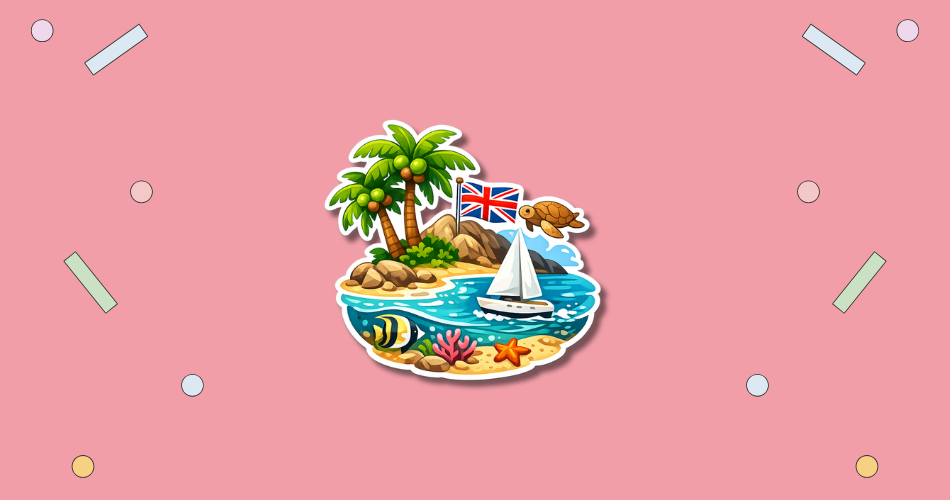
Virgin Islands Day is observed on the first Monday of July. In 2027, this date falls on July 5. It is a public holiday in the British Virgin Islands that focuses on Virgin Islands identity, history, culture, and community life. The day is connected with the territory’s political development after the dissolution of the Leeward Islands colony in 1956. Today it gives residents, families, schools, cultural groups, and visitors a reason to reflect on the territory’s past while honoring the people and traditions that continue to shape it. 1 2 3 4
Contents
See also: Falkland Islands Liberation Day, Waterloo Day in the UK
HT Meter
Does this day matter to you?
Tap the meter if it does, and say whether you will be celebrating — that is what opens the wishes from everybody else who will be.
This day matters to me
0 Be the first to say so
Just getting started
0 Let others know you’re in.
Wishes, greetings and stories
Join the celebration to share a wish, a greeting, or how this day goes in your house.
These are kept for the people celebrating this day. Say you will be celebrating to read them and to add your own.
You have already shared something here recently.
Nothing here yet. Yours would be the first.
History of Virgin Islands Day
The roots of Virgin Islands Day go back to July 1, 1956, when the Colony of the Leeward Islands was dissolved and the Virgin Islands became a stand-alone colony of the United Kingdom. That change gave the territory a clearer separate status and allowed its legislature to make laws for local affairs rather than operating under a wider federal structure. The holiday was first known as Colony Day, and in 1978 the name Territory Day replaced it as the language around the territory’s status changed. In December 2020, the Cabinet approved the change from Territory Day to Virgin Islands Day, following recommendations connected with a review of public holidays.
V.I. Emancipation Day
The modern name places the focus less on colonial or administrative labels and more on the people, culture, and shared identity of the Virgin Islands. The day is now understood as a public holiday for remembering the territory’s journey, recognizing its heritage, and strengthening pride in local history. It also connects with cultural expression, including community gatherings, traditional games, fishing heritage, ceremonies, and public reflections. Because the British Virgin Islands remain a British Overseas Territory, the day does not mark independence; it marks a distinct moment in the territory’s own political and cultural development.
Why is Virgin Islands Day important?
Virgin Islands Day matters because it gives the British Virgin Islands a dedicated public holiday centered on its own story. The 1956 separation from the Leeward Islands colony was an important administrative and political change, and the holiday keeps that history visible for new generations. It also gives residents a way to think about what local identity means beyond legal status. History, family memory, public service, language, work, faith, foodways, music, fishing, and island life all help form the broader picture.
The day also supports cultural continuity. Small territories can face strong outside influences through migration, tourism, media, and global business, so public holidays can help protect local memory and give people a shared point of reference. Virgin Islands Day does that by placing local heritage in the foreground. It invites residents to look at the territory not only as a travel destination or financial center, but as a home shaped by generations of effort, resilience, creativity, and community ties.
- It keeps the territory’s 1956 political change in public memory.
- It gives families a reason to talk about local history.
- Cultural events help younger people learn community traditions.
- The holiday strengthens pride in Virgin Islands identity.
- It recognizes the people who shaped the territory’s development.
How to Celebrate Virgin Islands Day
Make it yours
How would you like to spend Virgin Islands Day?
Tick what fits you, and we will put together ideas made for this day — not for any day.
Transfer Day
Attend a local ceremony, community gathering, cultural program, or public event connected with the holiday. Many observances focus on history, music, games, traditional skills, fishing heritage, and the wider story of Virgin Islands culture. Wearing Territorial Wear or locally branded clothing is one simple way to show pride in the day. Families can also use the holiday to talk about older relatives, neighborhood history, and the changes they have seen across the islands.
A quieter celebration can be just as meaningful. Read about the territory’s move from the Leeward Islands structure to a stand-alone colony, look up speeches or educational materials about Virgin Islands history, or visit a place connected with local heritage. Residents living abroad can mark the day by sharing stories, photos, music, or memories that connect them with home. Visitors should approach the holiday with respect by learning what it commemorates and supporting local cultural events without treating them as ordinary entertainment.
- Read about the 1956 change in the territory’s status.
- Wear Territorial Wear or clothing made by local creators.
- Attend a cultural ceremony or community program.
- Ask an elder to share a memory of island life.
- Support local artists, fishers, performers, or small businesses.
Virgin Islands Day Dates
| Year | Date | Day of the week |
|---|---|---|
| 2026 | July 6 | Monday |
| 2027 next | July 5 | Monday |
| 2028 | July 3 | Monday |
| 2029 | July 2 | Monday |
| 2030 | July 1 | Monday |
Thank you for your feedback!
Saint Vincent and the Grenadines Independence Day
Fuel the next post!

- https://gov.vg/news/cabinet-approves-2026-public-holidays[↩]
- https://bvi.gov.vg/media-centre/message-dr-honourable-natalio-d-wheatley-virgin-islands-day-celebration[↩]
- https://www.bvi.gov.vg/media-centre/history-culture-and-fishing-mark-virgin-islands-day[↩]
- https://bvi.gov.vg/content/2020-public-holidays-review-committee-report[↩]