


Malawi Independence Day
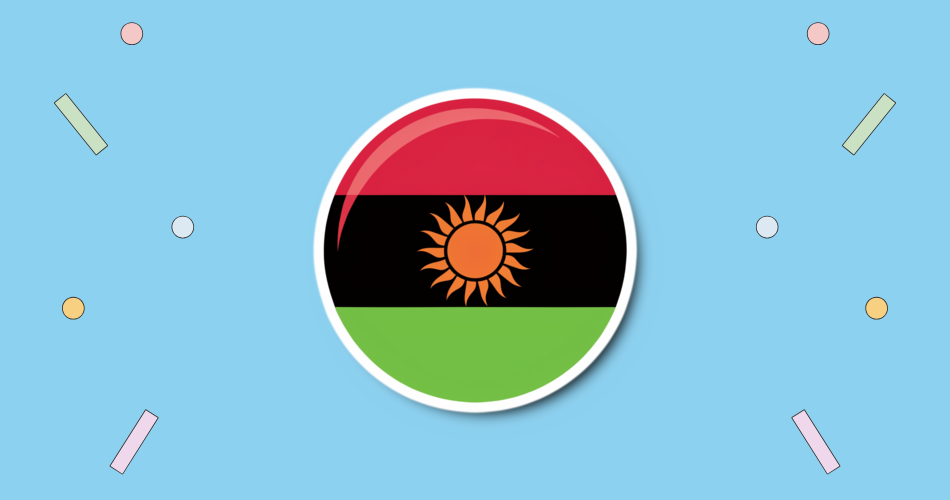
Malawi Independence Day is celebrated every year on July 6. In 2027, this date falls on a Tuesday. It is a national public holiday observed across Malawi that marks the end of British colonial rule and offers a moment for citizens to reflect on the country's progress and future.
Contents
HT Meter
Does this day matter to you?
Tap the meter if it does, and say whether you will be celebrating — that is what opens the wishes from everybody else who will be.
This day matters to me
0 Be the first to say so
Just getting started
0 Let others know you’re in.
Wishes, greetings and stories
Join the celebration to share a wish, a greeting, or how this day goes in your house.
These are kept for the people celebrating this day. Say you will be celebrating to read them and to add your own.
You have already shared something here recently.
Nothing here yet. Yours would be the first.
History of Malawi Independence Day
On 6 July 1964 the territory formerly known as Nyasaland became the independent nation of Malawi, ending decades of British colonial control. Thousands gathered for formal ceremonies, including a changing of the flag at the Central Stadium, as the new nation took its place within the Commonwealth. The independence movement was energized by political organising at home and by leaders who returned from abroad to press for self-government.
In the years that followed, the country continued to shape its institutions. Two years after independence, on 6 July 1966, Malawi adopted a new constitution and was declared a republic, a change that formalised the country's republican status and leadership arrangements. The date of 6 July therefore marks both the original independence in 1964 and the later republican foundation in 1966 in the national memory.
Why is Malawi Independence Day important?
Independence Day is a focal point for national identity and public reflection. It celebrates the end of colonial rule and recognises the political and social efforts that led to self-government. For many Malawians it is a day of pride, connection, and renewed attention to the values that shape the nation.
Maldives Independence Day
The holiday also provides an occasion to consider ongoing challenges—economic development, public services, and social progress—and to reaffirm commitments to the country’s future. Public ceremonies, community gatherings, and diaspora events commonly blend celebration with conversations about development and civic responsibility.
- It commemorates the end of British colonial rule and the founding of Malawi as a sovereign state.
- It fosters national pride and unity through official ceremonies and community events.
- It provides a platform for reflecting on development priorities and public policy.
- It connects Malawians at home and abroad through cultural programming and diaspora gatherings.
- It sustains historical memory by recalling key moments, leaders, and the changing of the flag.
How to Celebrate Malawi Independence Day
Make it yours
How would you like to spend Malawi Independence Day?
Tick what fits you, and we will put together ideas made for this day — not for any day.
Independence Day celebrations range from formal state ceremonies to informal family gatherings. Many communities mark the day with music, dance, and displays of national symbols such as the flag and the national anthem. Cultural centres, diaspora groups, and local charities often host events that highlight traditional arts and performance.
Food and shared meals are a common way to celebrate. Local restaurants and community hosts may feature national dishes and regional specialties, while cultural shows can showcase traditional dress and music. Celebrations are also an opportunity to support Malawian causes and organisations that work on health, education, and community development.
- Attend a local ceremony or community event that features music, dance, and cultural performances.
- Fly or display the national flag and listen to the national anthem as part of civic observance.
- Cook or enjoy Malawian dishes and regional specialties to share culture with friends and family.
- Visit cultural centres, exhibitions, or diaspora-hosted events that spotlight Malawian heritage.
- Support or learn about organisations working in Malawi on development, health, or education initiatives.
Malawi Independence Day Dates
| Year | Date | Day of the week |
|---|---|---|
| 2026 | July 6 | Monday |
| 2027 next | July 6 | Tuesday |
| 2028 | July 6 | Thursday |
| 2029 | July 6 | Friday |
| 2030 | July 6 | Saturday |
Sorry to hear you didn't enjoy this article...
Malta Independence Day
Help us make it better!