


Smart Irrigation Month
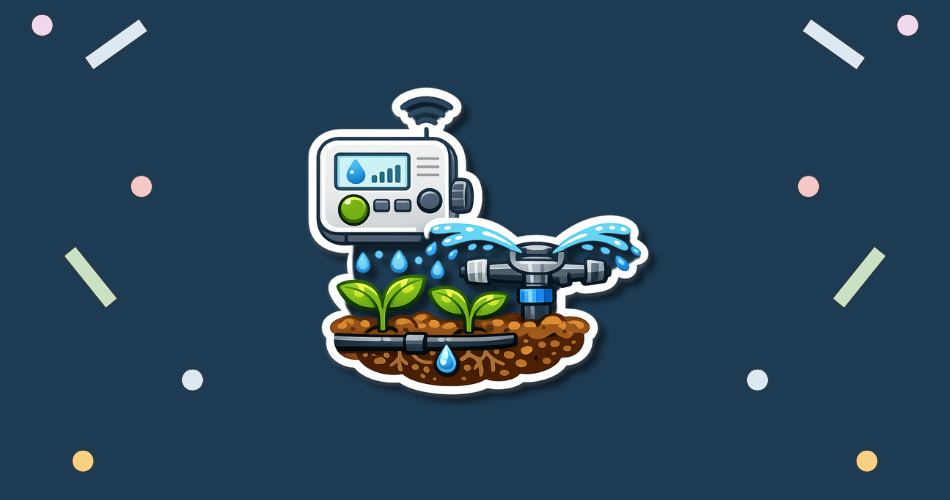
Smart Irrigation Month is observed every year throughout July. In 2027, it runs from July 1 to July 31. The month focuses on using water more carefully in lawns, gardens, landscapes, turf, and agricultural irrigation. It points attention to better scheduling, efficient equipment, system maintenance, and practical choices that reduce waste without sacrificing healthy plants. The observance is especially relevant in summer, when outdoor water use often rises and irrigation systems are under the most pressure. 1 2
Contents
See also: International Day of Action for Rivers, Public Gardens Day, National River Day, World Wetlands Day
HT Meter
Does this day matter to you?
Tap the meter if it does, and say whether you will be celebrating — that is what opens the wishes from everybody else who will be.
This day matters to me
0 Be the first to say so
Just getting started
0 Let others know you’re in.
Wishes, greetings and stories
Join the celebration to share a wish, a greeting, or how this day goes in your house.
These are kept for the people celebrating this day. Say you will be celebrating to read them and to add your own.
You have already shared something here recently.
Nothing here yet. Yours would be the first.
History of Smart Irrigation Month
Smart Irrigation Month was launched in 2005 by the Irrigation Association to draw attention to efficient irrigation products, services, and practices. July was chosen because it is traditionally a high-demand month for outdoor water use, especially in warm regions where lawns, gardens, parks, and planted public spaces need more careful management. The observance developed as a national campaign for homeowners, businesses, growers, water agencies, landscape professionals, and irrigation companies. Its message has stayed practical: water should be applied where it is needed, when it is needed, and in the right amount.

World Water Day
The modern focus of Smart Irrigation Month goes beyond smart controllers alone. Efficient irrigation can involve drip systems, high-efficiency nozzles, rain sensors, soil-moisture sensors, seasonal schedule changes, pressure checks, and simple repairs to broken sprinkler heads or leaking valves. The month also connects irrigation to broader water supply concerns, utility costs, runoff prevention, and landscape health. Today, many water providers use July to share rebates, workshops, inspections, and reminders that outdoor watering habits matter throughout the year.
Why is Smart Irrigation Month important?
Smart Irrigation Month is important because outdoor watering can be one of the largest parts of household and community water use. A poorly adjusted sprinkler system can water sidewalks, run too long, or continue operating after rainfall, wasting water and money. Efficient irrigation helps landscapes stay healthy while reducing overwatering, runoff, and unnecessary strain on water supplies. A short inspection during July can reveal leaks, clogged drip emitters, overspray, uneven coverage, or outdated controller settings.
The month also helps connect everyday landscaping choices with bigger environmental and infrastructure issues. When irrigation water runs off a property, it can carry soil, fertilizer, pesticides, pet waste, and debris toward storm drains and waterways. Better watering practices support healthier soils, stronger plants, and more reliable community water systems during hot weather. Smart irrigation is not only a technology topic; it is a habit of paying attention to local weather, plant needs, equipment condition, and responsible water use.
- It helps reduce waste from overwatering.
- It makes irrigation systems easier to manage.
- It can lower outdoor water bills.
- It supports healthier lawns, trees, and gardens.
- It protects local water supplies during peak demand.
How to Celebrate Smart Irrigation Month
Make it yours
How would you like to spend Smart Irrigation Month?
Tick what fits you, and we will put together ideas made for this day — not for any day.
National Water a Flower Day
Start by running each irrigation zone and watching where the water goes. Look for broken sprinkler heads, misting caused by high pressure, water spraying onto pavement, or runoff that begins before the soil can absorb the water. Adjust the watering schedule for current weather instead of relying on the same settings all season. A rain sensor, weather-based controller, drip irrigation line, or high-efficiency nozzle may also help if the system is outdated or difficult to manage.
Smart Irrigation Month is also a good time to learn from local water providers, garden educators, or landscape professionals. Many communities offer rebates, watering calculators, workshops, or conservation guidance that can make upgrades more affordable. Homeowners can also rethink plant choices by grouping plants with similar water needs, adding mulch, and replacing thirsty areas with more climate-appropriate landscaping. For businesses, parks, schools, and public spaces, the month can be used to review maintenance routines and train staff to spot irrigation problems early.
- Inspect sprinklers while they are running.
- Reset timers for summer conditions.
- Check drip lines for clogs or leaks.
- Water early to reduce evaporation.
- Ask a local water provider about rebates.
Smart Irrigation Month Dates
| Year | Date | Day of the week |
|---|---|---|
| 2026 | July 1 – 31 | 31 days |
| 2027 next | July 1 – 31 | 31 days |
| 2028 | July 1 – 31 | 31 days |
| 2029 | July 1 – 31 | 31 days |
| 2030 | July 1 – 31 | 31 days |