
Togo Independence Day
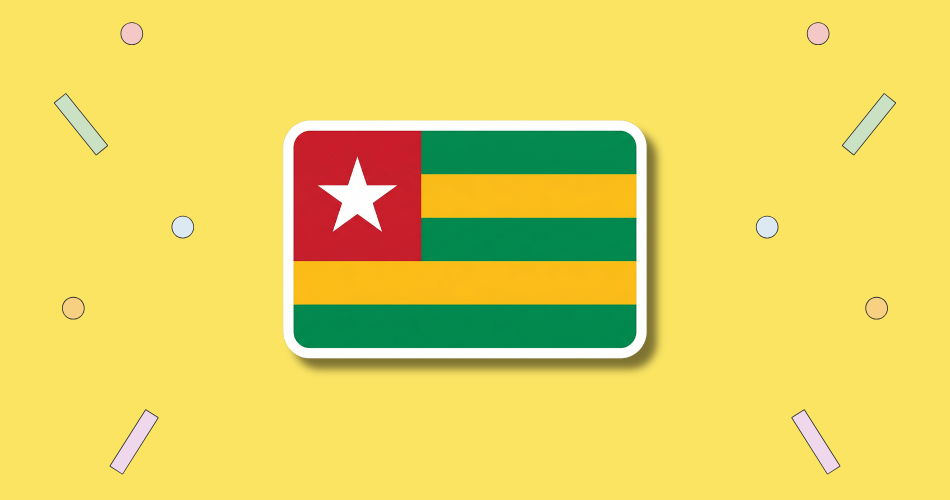
Togo Independence Day is celebrated on April 27. This pivotal national holiday commemorates the country’s official transition to a sovereign republic in 1960, marking the end of French colonial administration under a United Nations trusteeship. The day serves as a powerful symbol of national identity and resilience, honoring the decades of political struggle and diplomatic negotiations that led to full autonomy. It is a time for the Togolese people to reflect on their shared history—from the early German protectorate era to the French mandate—and to celebrate the cultural heritage that unites the diverse ethnic groups across the five regions of the country. In 2027, this date falls on a Tuesday.
Contents
See also: Liberation Day in Togo
HT Meter
Does this day matter to you?
Tap the meter if it does, and say whether you will be celebrating — that is what opens the wishes from everybody else who will be.
This day matters to me
0 Be the first to say so
Just getting started
0 Let others know you’re in.
Wishes, greetings and stories
Join the celebration to share a wish, a greeting, or how this day goes in your house.
These are kept for the people celebrating this day. Say you will be celebrating to read them and to add your own.
You have already shared something here recently.
Nothing here yet. Yours would be the first.
History of Togo Independence Day
The coastal region of what is now Togo was known to Europeans as the “Slave Coast” due to the intense human trafficking that occurred from the 16th to the 18th centuries. In 1884, Germany declared the region a protectorate called Togoland, establishing it as a valuable agricultural colony. However, German rule ended abruptly during World War I when Anglo-French forces invaded in 1914. Following the war, the League of Nations partitioned the territory, with Great Britain administering the western portion and France overseeing the eastern section.
Liberation Day in Togo
The path to modern independence solidified after World War II when the territories became UN Trust Territories. While British Togoland eventually voted to join the newly independent Ghana in 1957, French Togoland pursued a separate path toward sovereignty. Led by nationalist figures like Sylvanus Olympio, the territory gained internal autonomy in 1956 and held UN-supervised elections in 1958. These efforts culminated on April 27, 1960, when the Togolese Republic was officially proclaimed, and Olympio was inaugurated as the nation’s first president.
Why is Togo Independence Day important?
This holiday is essential because it marks the birth of Togo as an equal member of the international community. It represents the successful reclamation of self-governance after nearly eighty years of varying forms of European colonial rule. The day provides a formal opportunity to honor the “Founding Fathers” of the republic and the countless citizens who advocated for the right to chart their own economic and political future. It acts as a unifying force, bringing together more than 40 different ethnic groups under a single national banner.
The observance also serves as a benchmark for the country’s ongoing development and social progress. It is a day of reflection where the government and citizens evaluate the nation’s achievements in infrastructure, education, and healthcare since 1960. By celebrating the anniversary of their freedom, the Togolese people reinforce their commitment to peace and national solidarity, ensuring that the lessons of the past continue to guide the growth of a modern, prosperous West African state.
- The holiday commemorates the end of the French trusteeship over the region.
- It honors Sylvanus Olympio, a key figure in the movement for self-determination.
- The day promotes the Ewe and Kabye cultural traditions that define Togolese life.
- National pride is reinforced through the display of the red, yellow, green, and blue flag.
- The observance highlights Togo’s transition from a colony to a sovereign republic.
How to Celebrate Togo Independence Day
Make it yours
How would you like to spend Togo Independence Day?
Tick what fits you, and we will put together ideas made for this day — not for any day.
Ghana Independence Day
The most prominent celebration takes place in the capital city of Lomé, beginning with the traditional “rekindling of the flame” at the Independence Monument on the eve of the holiday. On April 27, a grand military and civilian parade is held, featuring thousands of participants including the armed forces, students, and various civic groups. These parades are often accompanied by flyovers and high-energy music, creating a vibrant atmosphere that spreads from the ceremonial squares to the city streets.
In local communities, the day is marked by traditional drumming and dancing, often featuring masked performers and call-and-response singing. Families gather to prepare and share authentic Togolese dishes such as fufu (pounded yams) or pâte (maize porridge) served with spicy stews. Sporting events, particularly football matches and traditional wrestling competitions, are also popular ways for people to engage in the festive spirit while celebrating their collective freedom and national heritage.
- Attend the grand military and civilian parade in the capital city of Lomé.
- Watch the ceremonial rekindling of the independence flame at the national monument.
- Enjoy traditional Togolese music and high-energy Ewe or Kabye dances.
- Prepare a festive meal featuring grilled fish, yams, and spicy local sauces.
- Participate in community sporting events or local football tournaments.
Togo Independence Day Dates Table
| Year | Date | Day of the week |
|---|---|---|
| 2026 | April 27 | Monday |
| 2027 next | April 27 | Tuesday |
| 2028 | April 27 | Thursday |
| 2029 | April 27 | Friday |
| 2030 | April 27 | Saturday |