

International Donor Conception Awareness Day
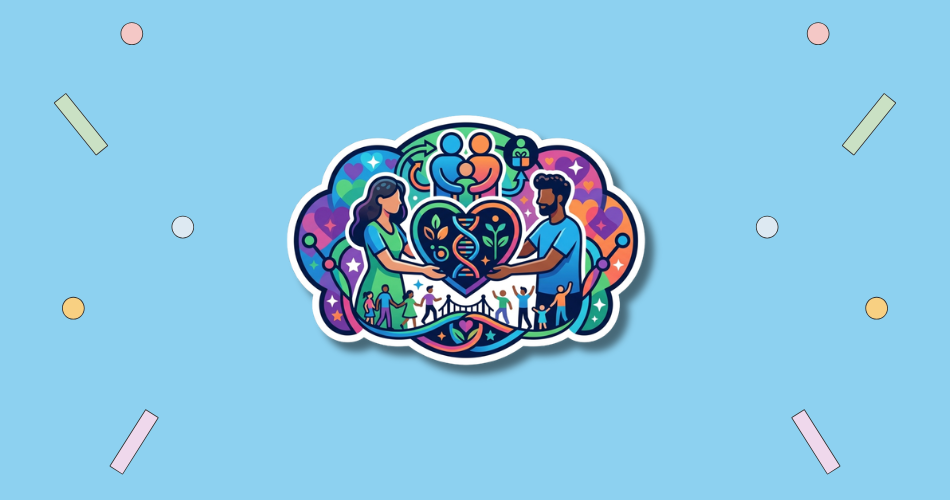
International Donor Conception Awareness Day is observed on April 27. In 2027, this date falls on a Tuesday. This global observance is dedicated to fostering openness and understanding regarding families created through the donation of sperm, eggs, or embryos. It aims to center the voices of donor-conceived individuals, ensuring their unique perspectives on identity and genetic heritage are heard by the medical community and the public. By addressing the complexities of assisted reproduction, the day seeks to replace traditional secrecy with transparency and support. 1
Contents
HT Meter
Does this day matter to you?
Say that it does, and say whether you will be marking it. Both are anonymous to nobody but kind to everybody.
This day matters to me
0 Be the first to say so
Quietly remembered
0 Nobody has said so yet
Notes of remembrance
Join those marking this day to share a word, a memory, or the reason it matters to you.
These notes are kept for the people marking this day. Say you will be marking it to read them and to leave your own.
You have already shared a note here recently.
No notes yet. Yours would be the first.
See also: Sexual and Reproductive Health Awareness Day
History of International Donor Conception Awareness Day
International Donor Conception Awareness Day was established in 2020 by Jana M. Rupnow, a licensed professional counselor and author specializing in fertility. Rupnow created the day in collaboration with twenty global partners to address the historical stigma and lack of information surrounding donor-assisted family building. Since its inception, the day has quickly expanded from a social media initiative into a recognized global movement supported by advocacy groups in the United States, the United Kingdom, Australia, and beyond.

National Donor Day
The movement was born out of a shift in the fertility industry toward more human-centered practices. Historically, many donor-conceived individuals were not told about their origins, leading to a culture of silence that researchers later found to be detrimental to family dynamics. The founding of this day reflects a modern consensus among therapists and ethicists that children have a right to know their genetic history. Annual themes, such as “Truth and Transparency” in 2023 and “Listening to the Lived Experience” in 2024, have guided the community toward a future of ethical clarity and legislative reform.
Why is International Donor Conception Awareness Day important?
This day is important because it provides a platform for donor-conceived people to share their lifelong experiences. Awareness is crucial for ensuring that donor-conceived adults have access to accurate medical history and genetic information, which is often missing in anonymous donation models. By highlighting these needs, the holiday pushes the fertility industry to adopt practices that prioritize the long-term well-being of the person created, rather than focusing solely on the success of the conception process.
Furthermore, the observance helps parents navigate the emotional landscape of non-genetic parenthood. It encourages intended parents to practice “early disclosure,” which involves talking to children about their conception from a young age to normalize their story. By removing the shame once associated with infertility and donor use, the day fosters healthier family relationships and more secure identities. It also serves as a critical educational tool for donors, helping them understand the profound and lasting impact of their contribution on future generations.
- It encourages transparency between parents and donor-conceived children.
- The day advocates for the right to access biological and medical history.
- It promotes the removal of anonymity in egg and sperm donation.
- The holiday supports LGBTQ+ families and single parents by choice.
- It raises awareness about the ethical implications of commercialized fertility.
How to Observe International Donor Conception Awareness Day
Make it yours
How would you like to spend International Donor Conception Awareness Day?
Tick what fits you, and we will put together ideas made for this day — not for any day.

Congenital Diaphragmatic Hernia Action Day
Observing this day often begins with open dialogue within the family. Parents use the date as a reminder to read books about donor conception with their children or to share age-appropriate details of their origin story. Many families celebrate the day as a way to honor the “missing piece” that made their family possible, treating it with the same significance as a birthday or adoption anniversary. This helps normalize the topic and ensures children feel that their unique beginning is a source of pride rather than a secret.
In the digital sphere, participants share the official logo and personal stories using the hashtag #IDCAD. Advocacy groups often host webinars and panel discussions featuring donor-conceived adults who discuss identity, DNA testing, and finding genetic relatives. Professionals in the fertility field may use the day to review their own practices and commit to higher ethical standards regarding donor limits and record-keeping. Whether through private family conversations or public advocacy, the goal is to build a world where donor conception is discussed with honesty and respect.
- Share your personal family story on social media to build community.
- Support non-profit organizations led by donor-conceived individuals.
- Read educational resources or books about telling children the truth.
- Attend a webinar or listen to a podcast about donor-conceived experiences.
- Discuss the importance of genetic identity with friends and family members.
International Donor Conception Awareness Day Dates Table
| Year | Date | Day of the week |
|---|---|---|
| 2026 | April 27 | Monday |
| 2027 next | April 27 | Tuesday |
| 2028 | April 27 | Thursday |
| 2029 | April 27 | Friday |
| 2030 | April 27 | Saturday |