
World Tapir Day

World Tapir Day is observed annually on April 27. In 2027, this date falls on a Tuesday. This global day of awareness is dedicated to one of the most ancient and unique mammals on Earth—the tapir. These large, herbivorous mammals act as vital “gardeners of the forest” by dispersing seeds across their habitats in Central and South America as well as Southeast Asia. The holiday serves as a crucial platform to educate the public about the four extant species—the Baird’s, Lowland, Mountain, and Malayan tapirs—all of which face significant threats from habitat loss, poaching, and climate change. By spotlighting these often-misidentified creatures, the day aims to secure a future for the species and the diverse ecosystems they help sustain. 1
Contents
HT Meter
Does this day matter to you?
Tap the meter if it does, and say whether you will be celebrating — that is what opens the wishes from everybody else who will be.
This day matters to me
0 Be the first to say so
Just getting started
0 Let others know you’re in.
Wishes, greetings and stories
Join the celebration to share a wish, a greeting, or how this day goes in your house.
These are kept for the people celebrating this day. Say you will be celebrating to read them and to add your own.
You have already shared something here recently.
Nothing here yet. Yours would be the first.
See also: World Rhino Day, Save The Rhino Day, Pygmy Hippo Day, World Hippo Day
History of World Tapir Day
The official observance of World Tapir Day began in 2008, established by a dedicated group of conservationists who realized that tapirs were frequently overlooked in broader environmental campaigns. Despite being “living fossils” that have remained relatively unchanged for millions of years, tapirs are often misidentified by zoo visitors as anteaters, pigs, or even small elephants. This lack of public recognition was seen as a major hurdle in securing funding and legislative protection for their shrinking habitats in tropical rainforests and grasslands.

Pygmy Hippo Day
The choice of late April for the celebration aligns with other environmental milestones, but its primary purpose remains focused on the specific biological and cultural value of the Tapirus genus. Since its inception, the holiday has grown from a niche internet event into a global movement supported by international organizations like the IUCN Species Survival Commission’s Tapir Specialist Group. These advocates use the day to highlight the critical role tapirs play in forest regeneration, as they are often the first species to disappear when human encroachment begins and the last to return to regrowing forests.
Why is World Tapir Day important?
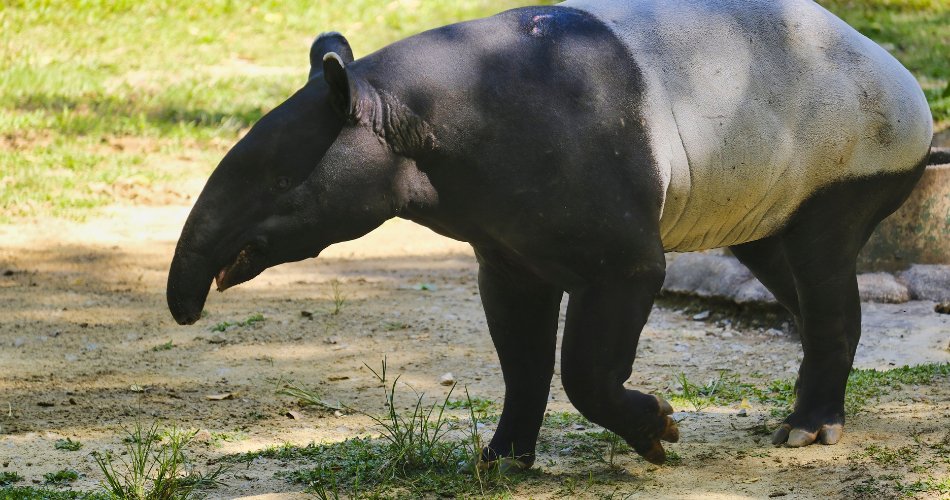
Tapirs are considered “keystone species,” meaning their presence is a primary indicator of the health of an entire ecosystem. Because they consume a vast array of fruits and plants, they disperse seeds in their waste over large distances, facilitating the growth of new trees and maintaining the genetic diversity of the forest. Without tapirs, many tropical plants would lose their primary method of propagation, leading to thinner forests and a significant loss of biodiversity that affects countless other species, including humans.
The day is also vital for addressing the severe decline in tapir populations due to human activity. All four species are currently listed as vulnerable or endangered on the IUCN Red List. Habitat fragmentation caused by mining, palm oil plantations, and road construction forces tapir populations into small, isolated enclaves where they are more susceptible to inbreeding and disease. World Tapir Day helps mobilize global resources to fund land purchases for protected corridors and to support anti-poaching initiatives in their native ranges.
- Tapirs have been around since the Eocene epoch, approximately 55 million years ago.
- They are excellent swimmers and often use their snouts as snorkels in the water.
- Their closest living relatives are actually horses and rhinoceroses.
- Baby tapirs are born with white stripes and spots for camouflage in the dappled forest light.
- Tapirs have a unique toe structure with four on the front feet and three on the back.
How to Celebrate World Tapir Day
Make it yours
How would you like to spend World Tapir Day?
Tick what fits you, and we will put together ideas made for this day — not for any day.

World Bear Day
One of the most effective ways to celebrate is to visit a local zoo or wildlife sanctuary that participates in tapir conservation programs. Many facilities host special “keeper talks” or educational displays on April 27 to introduce visitors to the specific personalities of the tapirs in their care. Learning to correctly identify the different species—such as the Malayan tapir with its distinctive black-and-white “saddle”—is a great first step in becoming an advocate for their protection.
Another practical way to celebrate is to make informed consumer choices that protect tapir habitats. This includes supporting companies that use sustainable, RSPO-certified palm oil or choosing to reduce the consumption of products that contribute to tropical deforestation. Sharing interesting facts or high-quality photos of tapirs on social media can also help correct common misconceptions and raise the profile of these quiet, essential mammals within your own social circle.
- Donate to organizations like the Tapir Specialist Group or the World Land Trust.
- Watch a documentary about the biodiversity of the Amazon or Southeast Asian jungles.
- Buy products from companies that actively support rainforest conservation.
- Teach children about tapirs using printable coloring pages or “pin the nose” games.
- Share a post about why tapirs are known as the “gardeners of the forest.”
World Tapir Day Dates Table
| Year | Date | Day of the week |
|---|---|---|
| 2026 | April 27 | Monday |
| 2027 next | April 27 | Tuesday |
| 2028 | April 27 | Thursday |
| 2029 | April 27 | Friday |
| 2030 | April 27 | Saturday |