



National Prime Rib Day
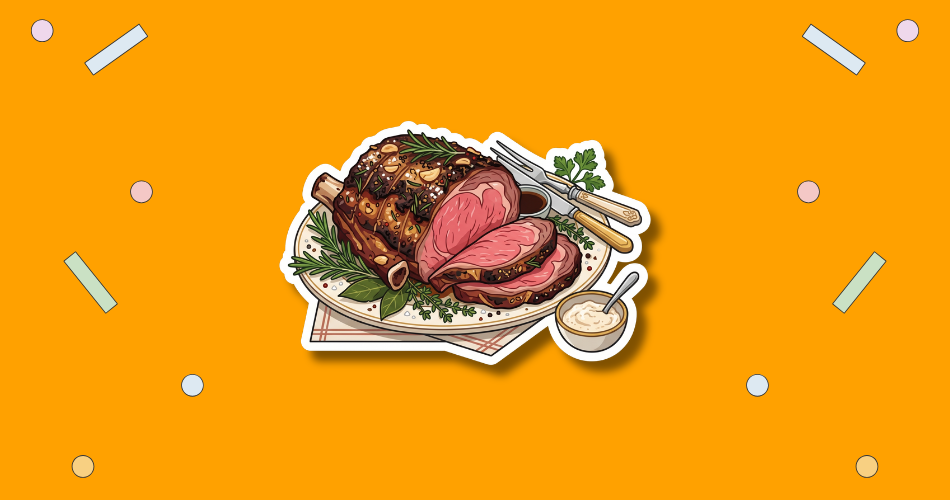
National Prime Rib Day is observed annually on April 27, serving as a prestigious highlight on the culinary calendar for steak enthusiasts and roast lovers alike. In 2027, this date falls on a Tuesday. This day is dedicated to celebrating the “King of Roasts,” a specific cut of beef known for its exceptional tenderness, rich marbling, and deep flavor profile that comes from being roasted on the bone. Unlike standard steaks, prime rib is typically prepared as a large standing rib roast, then sliced into individual servings after cooking, making it a centerpiece of holiday feasts and high-end dining. The holiday encourages home cooks and restaurant patrons to appreciate the culinary skill required to perfectly slow-roast this premium cut, often accompanied by traditional sides like au jus, horseradish cream, and Yorkshire pudding.
Contents
See also: Garlic Butter Steak Bites, Steak and BJ Day, National Chicken Fried Steak Day, National Cheesesteak Day
HT Meter
Does this day matter to you?
Tap the meter if it does, and say whether you will be celebrating — that is what opens the wishes from everybody else who will be.
This day matters to me
0 Be the first to say so
Just getting started
0 Let others know you’re in.
Wishes, greetings and stories
Join the celebration to share a wish, a greeting, or how this day goes in your house.
These are kept for the people celebrating this day. Say you will be celebrating to read them and to add your own.
You have already shared something here recently.
Nothing here yet. Yours would be the first.
History of National Prime Rib Day
The precise origins of National Prime Rib Day are not documented in official legislative records, but the cut itself has a long and storied history in Anglo-American cuisine. The tradition of the “Standing Rib Roast” dates back centuries to British customs, where a large roast was the standard Sunday meal for families who could afford premium beef. The practice became a symbol of prosperity and hospitality. In the United States, prime rib gained massive popularity during the mid-20th century, particularly in the post-WWII era, when “supper clubs” and upscale steakhouses made it their signature offering.
National Crown Roast of Pork Day
The term “Prime” in prime rib actually refers to the anatomical cut (the primal rib section) rather than the USDA grade, although the best examples are indeed graded as “USDA Prime.” The holiday likely emerged as a grassroots movement among restaurateurs and beef councils to promote the consumption of this classic American comfort food. Over time, it has evolved into a social media event where chefs share their specific roasting techniques—ranging from low-and-slow methods to the “high-heat sear”—to achieve the perfect medium-rare finish.
Why is National Prime Rib Day important?
This day is important because it honors the craftsmanship involved in traditional butchery and slow-cooking techniques. A prime rib roast is an expensive and delicate cut; understanding the science of heat transfer and internal temperatures is essential to avoid ruining the meat. By dedicating a day to this dish, the culinary community helps preserve these “lost arts” of roasting that are often bypassed in favor of quick-cooking steaks. It also supports the agricultural industry by highlighting the high-quality beef produced by ranchers who focus on the marbling and aging processes that make prime rib so distinctive.
On a social level, National Prime Rib Day promotes the idea of the “communal meal.” Because a rib roast is too large for a single person to consume alone, it naturally encourages gatherings of friends and family. It serves as a reminder of the slow-paced, shared dining experiences that define many cultural traditions. Furthermore, the day provides an opportunity for diners to learn about meat grading and the importance of supporting sustainable and high-standard livestock farming.
- Prime rib is cut from the 6th through the 12th ribs of the cow.
- The “eye” of the roast is the most tender part, surrounded by a flavorful fat cap.
- Dry-aging the roast before cooking can significantly enhance its “umami” flavor.
- The “standing” in standing rib roast refers to roasting the meat on the bones, which act as a natural rack.
- USDA Prime is the highest grade, followed by Choice and Select.
How to Celebrate National Prime Rib Day
Make it yours
How would you like to spend National Prime Rib Day?
Tick what fits you, and we will put together ideas made for this day — not for any day.
National Barbecued Spareribs Day
The most direct way to celebrate is to visit a local steakhouse or carvery that is known for its prime rib. Many restaurants offer special “all-you-can-eat” deals or discounted king-cut portions on April 27 to mark the occasion. If you are dining out, pay attention to the traditional accompaniments: a proper prime rib should be served with au jus (the natural juices collected during roasting) and a sharp horseradish sauce to cut through the richness of the fat.
For those who enjoy cooking at home, the day is an excellent excuse to tackle a standing rib roast. Success lies in the preparation—liberally seasoning the meat with salt and herbs 24 hours in advance (dry brining) and using a reliable meat thermometer to pull the roast when it reaches an internal temperature of 48°C for a perfect medium-rare after resting. Sharing your results with neighbors or hosting a dinner party ensures the holiday is celebrated in the spirit of hospitality for which the dish was originally intended.
- Purchase a 3- or 4-rib roast from a local butcher for the best quality.
- Let the meat sit at room temperature for two hours before roasting for even cooking.
- Use the “Reverse Sear” method: cook at a low temperature, then sear at the end for a crust.
- Always allow the roast to rest for at least 20–30 minutes before carving to retain juices.
- Save the bones to make a rich beef stock or soup the following day.
National Prime Rib Day Dates Table
| Year | Date | Day of the week |
|---|---|---|
| 2026 | April 27 | Monday |
| 2027 next | April 27 | Tuesday |
| 2028 | April 27 | Thursday |
| 2029 | April 27 | Friday |
| 2030 | April 27 | Saturday |