
National Tell A Story Day

National Tell A Story Day is observed annually on April 27. This creative holiday is a dedicated celebration of the ancient and powerful art of storytelling, encouraging people of all ages to share tales ranging from personal family memories and historical accounts to imaginative works of fiction and local folklore. In an age dominated by digital snippets and rapid-fire communication, the day serves as a vital reminder of the value of sustained narrative, whether it is delivered through the spoken word, written text, or even visual media. It provides a structured opportunity for families, educators, and communities to connect through the shared human experience of listening to and telling stories, reinforcing the bonds that have historically kept civilizations together through oral tradition. In 2027, this date falls on a Tuesday.
Contents
See also: Tell a Fairy Tale Day, National Write Your Story Day, Math Storytelling Day, World Storytelling Day
HT Meter
Does this day matter to you?
Tap the meter if it does, and say whether you will be celebrating — that is what opens the wishes from everybody else who will be.
This day matters to me
0 Be the first to say so
Just getting started
0 Let others know you’re in.
Wishes, greetings and stories
Join the celebration to share a wish, a greeting, or how this day goes in your house.
These are kept for the people celebrating this day. Say you will be celebrating to read them and to add your own.
You have already shared something here recently.
Nothing here yet. Yours would be the first.
History of National Tell A Story Day
The holiday was officially founded in 2009 by George Rafeedie, an entrepreneur and owner of a creative marketing agency. Rafeedie’s original intent was to encourage businesses and brands to utilize storytelling techniques to build deeper, more authentic connections with their audiences. He recognized that people are naturally wired to respond to narratives rather than just raw data or advertisements. However, the day quickly transcended its corporate origins, evolving into a broader cultural celebration embraced by libraries, schools, and families who saw it as an ideal occasion to promote literacy and the preservation of personal heritage.
World Storytelling Day
While the American version of the holiday is held on April 27, a similar observance takes place exactly six months later, on October 27, in Scotland and the United Kingdom. Both dates draw inspiration from the fundamental human history of oral storytelling, which predates written language by thousands of years. From 30,000-year-old cave drawings in France to the Epic of Gilgamesh in 2700 BCE, humans have always used stories to explain the natural world and pass down essential truths. National Tell A Story Day honors this lineage, providing a modern focal point for an art form that began around ancient campfires.
Why is National Tell A Story Day important?
Storytelling is a fundamental tool for cognitive development and emotional intelligence, especially in young children. When kids listen to or tell stories, they learn to organize their thoughts, understand cause-and-effect relationships, and expand their vocabulary in a low-pressure, engaging environment. For adults, the day is equally important as it fosters empathy by allowing listeners to “step into the shoes” of another person, whether that person is a fictional character or a grandparent sharing a story from a different era.
The holiday also plays a critical role in cultural and historical preservation. Many family traditions and community histories are never written down, existing only within the memories of older generations. By dedicating a specific day to telling these stories, the holiday prevents the loss of unique narratives that define a family’s or a community’s identity. It acts as a bridge between the past and the future, ensuring that the wisdom, humor, and lessons of those who came before are not silenced by the passage of time.
- Stories help build strong neural connections in the brain and improve memory retention.
- The holiday promotes literacy by making the narrative process fun and interactive.
- Sharing personal anecdotes strengthens social bonds and reduces feelings of isolation.
- Oral storytelling develops public speaking skills and boosts self-confidence.
- Narratives provide a safe way to explore complex emotions and social scenarios.
How to Celebrate National Tell A Story Day
Make it yours
How would you like to spend National Tell A Story Day?
Tick what fits you, and we will put together ideas made for this day — not for any day.
Tell a Fairy Tale Day
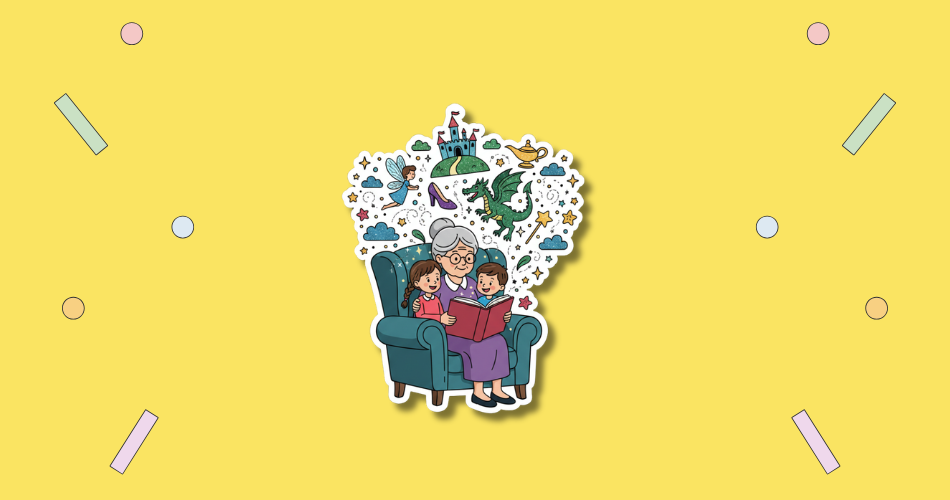
One of the most effective ways to celebrate is to gather with friends or family and hold an informal storytelling circle. You can use “story starters”—simple phrases like “It was the coldest day of the year when I first found…”—to get the conversation flowing. For those with children, creating a “storytelling chair” decorated with cushions and blankets can make the experience feel special and help the speaker feel like the center of attention. Taking turns to tell a story based solely on a sequence of random household objects is another fun way to spark quick-thinking and creativity.
Digital storytelling is also a popular way to observe the day. You can use the voice memo app on your phone to record interviews with older relatives, creating a permanent archive of their childhood memories. Many libraries and community centers host “story hours” or open-mic nights on April 27, providing a public stage for residents to share their tales. If you prefer a more private celebration, simply reading a favorite book aloud to someone else or writing a short entry in a personal journal can satisfy the spirit of the holiday by keeping the narrative tradition alive.
- Call a relative and ask them to tell you a story about their life when they were your age.
- Record a family “audio time capsule” featuring everyone’s favorite memory of the past year.
- Use prompt cards or story cubes to invent a collaborative tale with a group.
- Visit your local library to see if they are hosting a storytelling workshop or event.
- Turn off the lights and tell a “tall tale” or a gentle ghost story to set the mood.
National Tell A Story Day Dates Table
| Year | Date | Day of the week |
|---|---|---|
| 2026 | April 27 | Monday |
| 2027 next | April 27 | Tuesday |
| 2028 | April 27 | Thursday |
| 2029 | April 27 | Friday |
| 2030 | April 27 | Saturday |