



National Call Your Doctor Day
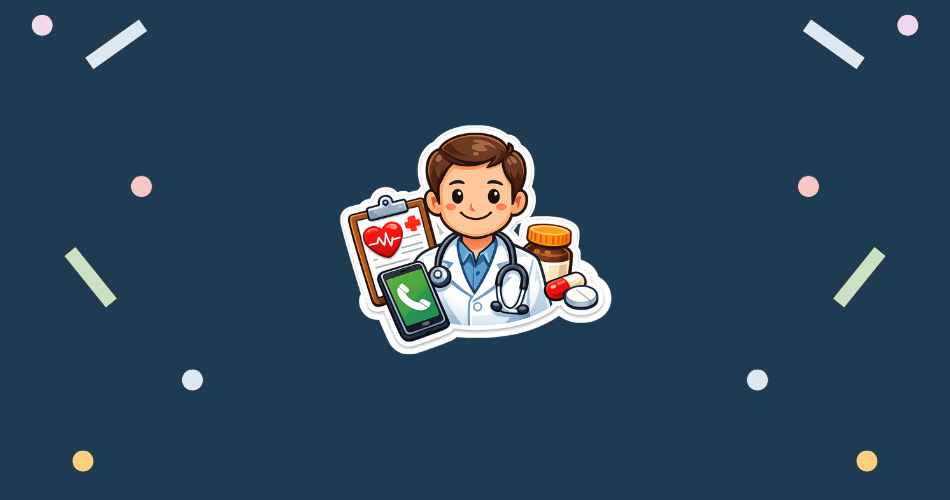
National Call Your Doctor Day is observed on the second Tuesday in June. In 2027, this date falls on June 8. The health awareness day focuses on a simple but often delayed task: contacting a doctor or clinic to schedule a wellness visit. It is especially connected with annual well-woman exams and preventive conversations about breast, ovarian, reproductive, and overall health. The day is practical rather than ceremonial, using one phone call or online appointment request as a first step toward routine care.
Contents
See also: World Family Doctor Day, Doctor Patient Trust Day, Doctors’ Day, Sexual and Reproductive Health Awareness Day, National Women’s Check-up Day, World Women’s Wellness Day, International Day of Action for Women’s Health
HT Meter
Does this day matter to you?
Say that it does, and say whether you will be marking it. Both are anonymous to nobody but kind to everybody.
This day matters to me
0 Be the first to say so
Quietly remembered
0 Nobody has said so yet
Notes of remembrance
Join those marking this day to share a word, a memory, or the reason it matters to you.
These notes are kept for the people marking this day. Say you will be marking it to read them and to leave your own.
You have already shared a note here recently.
No notes yet. Yours would be the first.
History of National Call Your Doctor Day
National Call Your Doctor Day was launched in 2016 by Bright Pink, a women’s health nonprofit focused on prevention and early detection of breast and ovarian cancer. The observance was created to urge women, especially young women, to schedule annual well-woman exams instead of postponing preventive care. In 2017, the day was recognized as an annual observance on the second Tuesday in June. Its timing gives the year a mid-point reminder, after winter routines and before more of the summer calendar fills up.

National Women's Check-up Day
The day is connected with a larger shift in how preventive health is discussed. A well-woman visit can give a patient time to review personal and family health history, ask questions, discuss screenings, and talk through changes that might otherwise be ignored. The observance does not replace medical advice or create one rule for every person. Instead, it points people back to their own healthcare provider, where individual age, history, symptoms, risks, and concerns can be discussed directly.
Why is National Call Your Doctor Day important?
Preventive care is easy to postpone because it often feels less urgent than work, family needs, deadlines, or visible illness. National Call Your Doctor Day puts attention on the appointment before there is a crisis. A routine visit can help establish a health baseline, update screenings, review medications, and open a conversation about concerns that may seem too small to bring up later. For women, well-woman visits can also include conversations about reproductive health, breast health, menstrual changes, contraception, pregnancy planning, menopause, and cancer risk.
The day also matters because healthcare decisions are easier when people are not trying to make them in a rush. Calling a doctor, using a patient portal, or confirming when a checkup is due can reduce the friction that keeps care on hold. It can also normalize asking questions, seeking clarification, and advocating for follow-up when something feels wrong. In that sense, the day is less about the call itself and more about keeping a steady relationship with healthcare.
- It helps turn preventive care into a scheduled action.
- A yearly visit can make health changes easier to track.
- Patients get time to ask personal medical questions.
- The day supports early conversations about health risks.
- It reminds people not to wait for symptoms to seek care.
How to Observe National Call Your Doctor Day
Make it yours
How would you like to spend National Call Your Doctor Day?
Tick what fits you, and we will put together ideas made for this day — not for any day.
Doctors' Day
Check the calendar, then contact a doctor’s office, clinic, or patient portal to schedule a wellness visit if one is due. People who already have an appointment can use the day to write down questions, update family history notes, gather medication lists, or confirm insurance and clinic information. It can also be useful to ask which screenings are recommended based on age and health history. Anyone with symptoms, pain, unusual changes, or a concern that has been put off should mention that clearly when making the appointment.
The day can also be observed by helping someone else take the first step without pressuring them. A friend, partner, parent, or sibling may need a reminder, a ride, childcare help, or a few minutes to make the call. Workplaces and community groups can share neutral reminders about preventive care without asking for personal medical details. The best use of the day is practical, private, and respectful: make the appointment, prepare for it, and follow through.
- Schedule a wellness visit through a clinic portal.
- Add appointment questions to a notes app.
- Review family health history before the visit.
- Set a calendar reminder for yearly care.
- Encourage a friend to book overdue preventive care.
National Call Your Doctor Day Dates
| Year | Date | Day of the week |
|---|---|---|
| 2026 | June 9 | Tuesday |
| 2027 next | June 8 | Tuesday |
| 2028 | June 13 | Tuesday |
| 2029 | June 12 | Tuesday |
| 2030 | June 11 | Tuesday |
Thank you for your feedback!
National Call‑In Day for Health Reform
Fuel the next post!