



National Chickpea Day
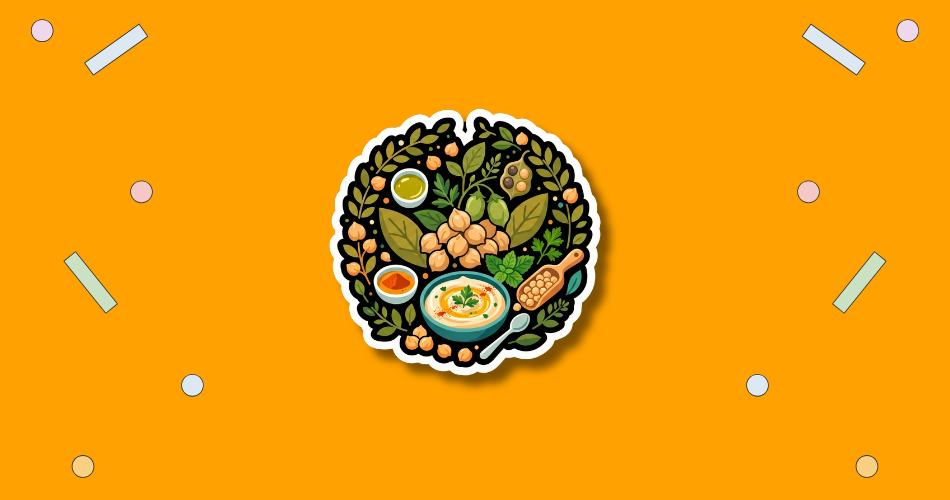
National Chickpea Day is observed annually on April 21. In 2027, this date falls on a Wednesday. This food holiday celebrates the versatility and nutritional benefits of the chickpea, also known as the garbanzo bean. As one of the earliest cultivated legumes in human history, the chickpea is honored for its role as a staple protein source in diverse culinary traditions across the globe, from Middle Eastern hummus to Indian curries.
Contents
HT Meter
Does this day matter to you?
Tap the meter if it does, and say whether you will be celebrating — that is what opens the wishes from everybody else who will be.
This day matters to me
0 Be the first to say so
Just getting started
0 Let others know you’re in.
Wishes, greetings and stories
Join the celebration to share a wish, a greeting, or how this day goes in your house.
These are kept for the people celebrating this day. Say you will be celebrating to read them and to add your own.
You have already shared something here recently.
Nothing here yet. Yours would be the first.
See also: International Hummus Day, Great American Meat Out Day, Lima Bean Respect Day
History of National Chickpea Day
The modern observance of National Chickpea Day was established in 2019 by HIPPEAS, a company specializing in chickpea-based snacks. The initiative was created to raise awareness about the environmental and health benefits of this legume. While the specific “National Day” designation is recent, the history of the crop itself spans over 10,000 years. Evidence suggests it was first cultivated in the Fertile Crescent, particularly in parts of modern-day Turkey and the Levant, before spreading to ancient Egypt, Greece, and Rome.
Garbanzo Bean Day
Throughout history, the chickpea has been prized for its durability and nutrient density. Ancient Romans often roasted the beans as snacks or ground them into flour for medicinal and culinary purposes. In the 18th century, ground roasted chickpeas were even used as a caffeine-free coffee substitute in parts of Europe. By the 21st century, the rise of plant-based diets and global interest in Mediterranean and South Asian cuisines propelled the chickpea into the spotlight as a sustainable alternative to meat, leading to the creation of this annual day of recognition.
Why is National Chickpea Day important?
The chickpea is a nutritional powerhouse, containing a high concentration of plant-based protein, dietary fiber, and essential minerals like manganese and folate. This makes it an invaluable resource for global food security, particularly in regions where animal protein is scarce or expensive. Regular consumption of chickpeas is linked to improved digestive health, better blood sugar regulation, and a reduced risk of chronic conditions such as heart disease and type 2 diabetes.
From an environmental perspective, the chickpea is an exceptionally sustainable crop. It is a nitrogen-fixing legume, meaning it naturally restores nitrogen to the soil, reducing the need for chemical fertilizers. Furthermore, chickpea plants are remarkably drought-resistant and have a low water footprint compared to many other protein sources. This makes them a vital tool in sustainable agriculture as the world faces increasing climate variability and the need for more efficient food production systems.
- Chickpeas are the third most widely grown legume in the world.
- They are naturally gluten-free and have a low glycemic index.
- The crop helps prevent soil erosion through its deep root system.
- Aquafaba, the liquid from canned chickpeas, is used as a vegan egg substitute.
- India is the world’s largest producer, accounting for over 70% of global output.
How to Celebrate National Chickpea Day
Make it yours
How would you like to spend National Chickpea Day?
Tick what fits you, and we will put together ideas made for this day — not for any day.

National Bean Day
The most direct way to celebrate is to incorporate chickpeas into every meal of the day. For breakfast, chickpea flour can be used to make savory pancakes known as socca or besan chilla. For lunch or dinner, classic dishes like falafel, chana masala, or a hearty Mediterranean salad highlight the bean’s ability to absorb rich spices and flavors. Many people also enjoy making homemade hummus, experimenting with additions like roasted red peppers, garlic, or tahini to customize the dip to their preference.
Educational outreach is another key component of the day. You can share recipes with friends or host a small gathering focused on plant-based snacks, such as oven-roasted chickpeas seasoned with smoked paprika and sea salt. Exploring the historical and cultural significance of the “garbanzo” through documentaries or international cookbooks can provide a deeper appreciation for this ancient food. If you enjoy gardening, researching how to grow chickpeas in your local climate can be a rewarding way to participate in the nitrogen-fixing benefits of this unique legume.
- Make a fresh batch of hummus to share with colleagues or neighbors.
- Try roasting chickpeas in an air fryer for a crunchy, high-protein snack.
- Visit an authentic Middle Eastern or Indian restaurant to try a new dish.
- Swap out meat for chickpeas in your favorite stew or pasta recipe.
- Use chickpea flour in baking to create gluten-free treats or breads.
National Chickpea Day Dates Table
| Year | Date | Day of the week |
|---|---|---|
| 2026 | April 21 | Tuesday |
| 2027 next | April 21 | Wednesday |
| 2028 | April 21 | Friday |
| 2029 | April 21 | Saturday |
| 2030 | April 21 | Sunday |

Cook it
Make something for National Chickpea Day
Tell us what you feel like making and what you have to work with, and we will write one recipe for it.