
National Tea Day
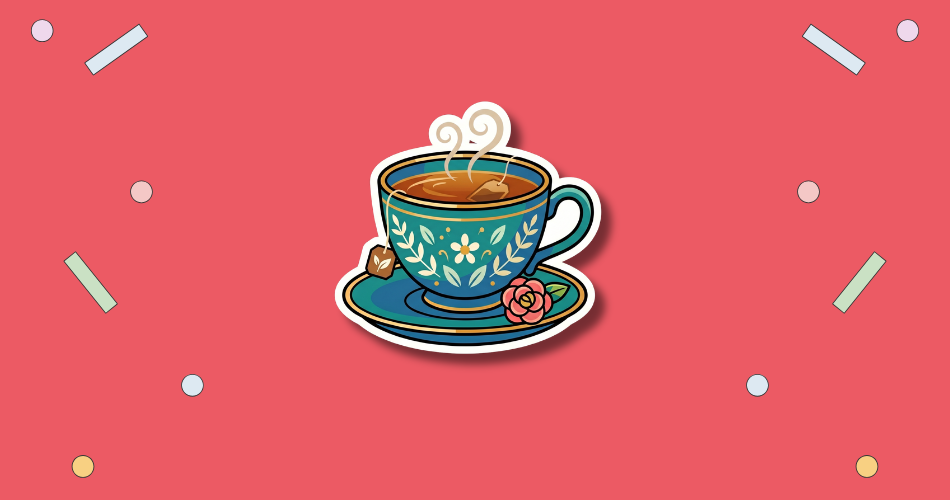
National Tea Day is observed annually on April 21. In 2027, this date falls on a Wednesday. This holiday celebrates the cultural importance of tea and encourages people to share a cup with others. While tea is a global beverage, this specific day highlights the customs associated with brewing and serving tea, ranging from casual morning mugs to formal afternoon tea services featuring scones and sandwiches.
Contents
See also: International Tea Day, Tea for Two Tuesday, National Hot Tea Month, Boston Tea Party Day, National Hot Tea Day
HT Meter
Does this day matter to you?
Tap the meter if it does, and say whether you will be celebrating — that is what opens the wishes from everybody else who will be.
This day matters to me
0 Be the first to say so
Just getting started
0 Let others know you’re in.
Wishes, greetings and stories
Join the celebration to share a wish, a greeting, or how this day goes in your house.
These are kept for the people celebrating this day. Say you will be celebrating to read them and to add your own.
You have already shared something here recently.
Nothing here yet. Yours would be the first.
History of National Tea Day
The formal establishment of National Tea Day occurred in 2016, founded by an organization known as The Tea Group. The founders selected April 21 for the observance because it coincides with the birthday of Queen Elizabeth II. By linking the holiday to the British monarch, the creators sought to honor the long-standing relationship between the crown and the tea trade. Since its inception, the day has grown from a small industry event into a wide-scale celebration involving tea rooms, hotels, and charities that host “Fes-Tea-Vals” and tasting events.

Tea Day
The beverage itself has a much older history in the United Kingdom, tracing back to the 17th century. Catherine of Braganza, the Portuguese wife of King Charles II, is credited with popularizing tea within the royal court after bringing a chest of loose-leaf tea as part of her dowry. Later, in the 1840s, Anna Russell, the Duchess of Bedford, introduced the concept of afternoon tea to bridge the long gap between lunch and dinner. These historical milestones transformed tea from an expensive medicinal tonic into a social pillar and a daily necessity for millions of people.
Why is National Tea Day important?
Tea is the second most consumed beverage in the world, surpassed only by water. This day is important because it recognizes the massive economic and social impact of the tea industry, which supports millions of farmers and laborers in tea-growing regions like India, China, Kenya, and Sri Lanka. By promoting the slogan “Brew More. Do More,” the holiday emphasizes how a simple tea break can foster community connection, reduce stress, and provide a moment of reflection in a fast-paced environment.
The holiday also serves as an educational platform for tea varieties and health benefits. It encourages drinkers to explore the differences between black, green, white, and oolong teas, all of which originate from the Camellia sinensis plant but undergo different oxidation processes. Many observers use the day to highlight the presence of antioxidants and flavonoids in tea, which contribute to heart health and immune support. For many cultures, tea remains a primary symbol of hospitality and a universal gesture of welcome.
- The average person in the UK consumes hundreds of cups of tea every year.
- Tea was originally sold in apothecaries as a treatment for fatigue and digestive issues.
- The beverage plays a central role in workplace socialization through the “tea round.”
- High-quality loose-leaf tea offers a more complex flavor profile than standard tea bags.
- Ethical sourcing and sustainable farming are key themes of modern tea advocacy.
How to Celebrate National Tea Day
Make it yours
How would you like to spend National Tea Day?
Tick what fits you, and we will put together ideas made for this day — not for any day.

National Hot Tea Day
A traditional way to celebrate is by hosting or attending an afternoon tea. This usually involves serving a pot of black tea alongside a three-tiered stand containing crustless finger sandwiches, warm scones with clotted cream and jam, and a variety of small pastries. Proper etiquette suggests pouring the tea first before adding milk, and stirring in a straight line rather than a circular motion to avoid clinking the spoon against the porcelain. Many tea rooms offer special discounts or themed menus to mark the occasion.
For a more modern observation, you can experiment with different brewing temperatures and steeping times to find the perfect cup. Green teas require cooler water to prevent bitterness, while black teas thrive with water that has just reached a boil. You might also try tea-infused recipes, such as Earl Grey shortbread or matcha-flavored smoothies. Many enthusiasts use the day to support tea-related charities that provide clean water and education to workers in tea estates, turning a simple ritual into a philanthropic act.
- Visit a local independent tea room to try a specialty blend or rare harvest.
- Organize a tea tasting at home with different herbal and fruit infusions.
- Learn about the historical differences between Cream Tea and Afternoon Tea.
- Use your favorite mug or a traditional teapot to elevate your daily brew.
- Share a photo of your tea break on social media to encourage others to take five.
National Tea Day Dates Table
| Year | Date | Day of the week |
|---|---|---|
| 2026 | April 21 | Tuesday |
| 2027 next | April 21 | Wednesday |
| 2028 | April 21 | Friday |
| 2029 | April 21 | Saturday |
| 2030 | April 21 | Sunday |


Cook it
Make something for National Tea Day
Tell us what you feel like making and what you have to work with, and we will write one recipe for it.