



National Surprise Drug Test Day

National Surprise Drug Test Day is observed annually on April 21. In 2027, this date falls on a Wednesday. This unofficial holiday serves as a counter-celebration to the cannabis-related festivities of the previous day, focusing on the importance of maintaining drug-free environments in professional and educational settings. It highlights the role of unannounced screenings in ensuring workplace safety and individual accountability.
Contents
See also: National Adverse Drug Event Awareness Day, 420 (Four-Twenty)
HT Meter
Does this day matter to you?
Tap the meter if it does, and say whether you will be celebrating — that is what opens the wishes from everybody else who will be.
This day matters to me
0 Be the first to say so
Just getting started
0 Let others know you’re in.
Wishes, greetings and stories
Join the celebration to share a wish, a greeting, or how this day goes in your house.
These are kept for the people celebrating this day. Say you will be celebrating to read them and to add your own.
You have already shared something here recently.
Nothing here yet. Yours would be the first.
History of National Surprise Drug Test Day
The origins of National Surprise Drug Test Day are informally linked to the cultural rise of April 20 as “National Marijuana Day.” As the popularity of cannabis culture grew in the late 20th century, employers and parents began to notice a trend of increased substance use on that specific date. In response, April 21 emerged as a day for unannounced drug screenings to act as a deterrent and to ensure that safety-sensitive tasks were not being performed by impaired individuals. While not established by a government agency, the day gained traction through corporate human resources discussions and social media.
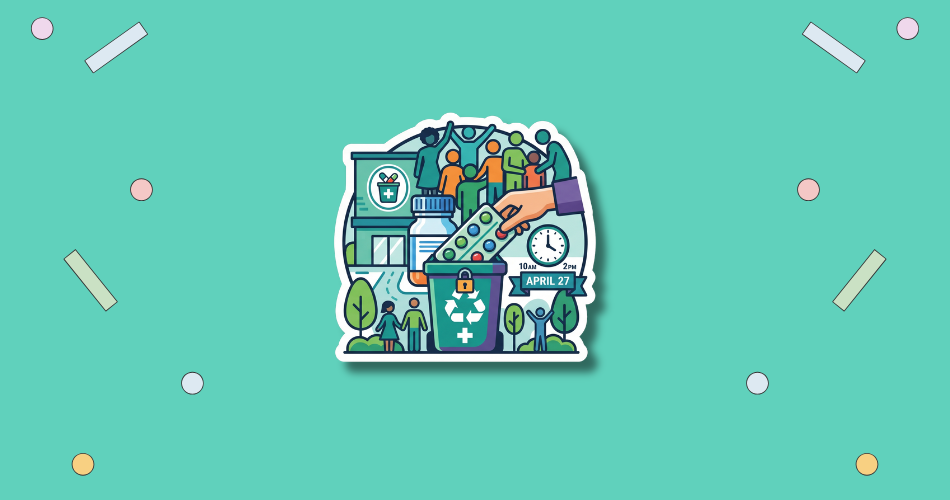
National Drug Take Back Day
The broader history of workplace drug testing began in earnest in the 1980s. President Ronald Reagan’s Executive Order 12564 in 1986 mandated a drug-free federal workplace, which was followed by the Drug-Free Workplace Act of 1988. These legislative actions normalized the use of random and unannounced testing across various industries, especially in transportation and national security. This holiday is a modern, unofficial extension of those policies, specifically timed to encourage sobriety in the immediate aftermath of a day known for high participation in drug-related activities.
Why is National Surprise Drug Test Day important?
This day is important because it promotes the concept of safety and reliability in environments where impairment can lead to catastrophic accidents. In industries such as aviation, heavy machinery operation, and healthcare, the ability to perform tasks with full mental clarity is a matter of public safety. The “surprise” element of the day serves as a powerful deterrent, discouraging individuals from using substances because they cannot predict when they will be required to provide a sample for testing.
Beyond immediate safety, the holiday fosters a broader conversation about health and the consequences of substance use in professional life. It provides a structured opportunity for companies to review their drug-free workplace policies and for employees to understand their rights and responsibilities. While it can be a subject of debate regarding personal privacy, the day emphasizes that maintaining a sober work culture contributes to higher productivity, lower insurance costs, and a more stable environment for all workers.
- Unannounced testing helps identify individuals who may need assistance with substance abuse.
- A drug-free workplace reduces the number of occupational injuries and illnesses.
- Random testing acts as a deterrent for occasional users who might otherwise take risks.
- The day encourages transparency between employers and staff regarding company standards.
- Sobriety in the workplace ensures that team members can rely on one another during emergencies.
How to Celebrate National Surprise Drug Test Day
Make it yours
How would you like to spend National Surprise Drug Test Day?
Tick what fits you, and we will put together ideas made for this day — not for any day.

National Sober Day
Observing this day typically involves corporate internal reviews and educational outreach rather than public festivities. Employers often use the date to distribute information regarding the company’s assistance programs and the health risks associated with illegal substance use. In some organizations, HR departments may schedule actual random screenings to reinforce the day’s theme. For employees, the best way to observe the day is to remain informed about company policies and to prioritize their health and professional standing by remaining sober.
On a community level, the day can be used to discuss the shift toward legalization in many states and how that affects employment law. Educational seminars can help clarify that even in regions where certain substances are legal for recreational use, employers often still have the right to maintain drug-free standards for the sake of safety. Participating in these discussions helps normalize the idea that while personal choices are private, professional environments have specific requirements for the well-being of the collective workforce.
- Review your company’s employee handbook to stay updated on drug-testing policies.
- Share information about local substance abuse recovery resources with your team.
- Host a lunch-and-learn session focused on the impact of drugs on workplace safety.
- Ensure all testing equipment and collection procedures are up to date and fair.
- Use the day as a personal commitment to maintaining a healthy and sober lifestyle.
National Surprise Drug Test Day Dates Table
| Year | Date | Day of the week |
|---|---|---|
| 2026 | April 21 | Tuesday |
| 2027 next | April 21 | Wednesday |
| 2028 | April 21 | Friday |
| 2029 | April 21 | Saturday |
| 2030 | April 21 | Sunday |
National Adverse Drug Event Awareness Day
Thank you for your feedback!
Fuel the next post!