


National Day of Mourning
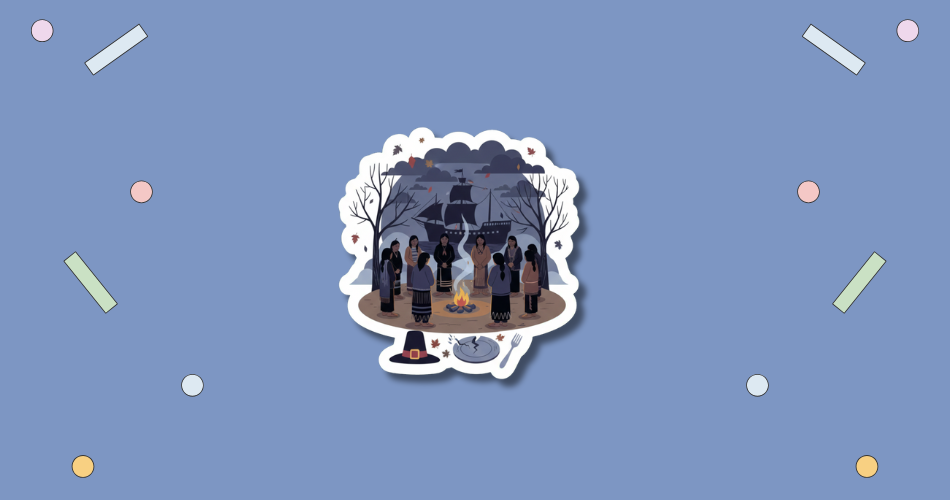
The National Day of Mourning (Unthanksgiving Day), observed on the fourth Thursday in November, is a poignant annual event held by Indigenous peoples in the United States and their allies. In 2026, this date falls on November 26. On this day they pause alongside or instead of the traditional Thanksgiving festivities to reflect on centuries of dispossession, cultural erasure, and violence suffered by Native communities. It serves as both remembrance and protest: remembrance of ancestors, lands lost, and promises broken, and protest of how history has been taught and celebrated without acknowledgement of Indigenous perspectives. Since its founding in 1970 by the United American Indians of New England (UAINE) in Plymouth, Massachusetts, this observance has grown into a national act of solidarity and truth-telling.
Contents
HT Meter
Does this day matter to you?
Say that it does, and say whether you will be marking it. Both are anonymous to nobody but kind to everybody.
This day matters to me
0 Be the first to say so
Quietly remembered
0 Nobody has said so yet
Notes of remembrance
Join those marking this day to share a word, a memory, or the reason it matters to you.
These notes are kept for the people marking this day. Say you will be marking it to read them and to leave your own.
You have already shared a note here recently.
No notes yet. Yours would be the first.
History of National Day of Mourning
In the fall of 1970, the Commonwealth of Massachusetts organized a banquet in Plymouth to mark the 350th anniversary of the arrival of the Pilgrims. Wamsutta Frank James (also known as Wamsutta), an Aquinnah Wampanoag leader, had been invited to speak—but when his speech, which addressed grim truths about colonization and Native suffering, was rejected by the organizers, he withdrew.
In response, Wamsutta and other Indigenous activists gathered on “Thanksgiving Day” at Cole’s Hill in Plymouth to hold the first National Day of Mourning—turning a celebratory date into one of reflection and protest.
Since then, the UAINE has organized this gathering every year at noon, calling for education, justice, and recognition of Native resilience.
Why is National Day of Mourning important?
The National Day of Mourning matters because it gives voice to Indigenous perspectives that are often marginalized in mainstream historic narratives. It challenges widely-taught myths of the “first Thanksgiving” and prompts a more honest discussion about colonization, land appropriation, and cultural survival.
It also serves as a living reminder that the effects of past injustices persist today—through socio-economic inequality, loss of land, threats to cultural heritage, and ongoing efforts for Indigenous rights. The day invites all people to pause, listen, and learn rather than just continue with festive traditions.
- It affirms that Indigenous peoples did not simply vanish but continue to live, resist and rebuild.
- It acknowledges the suffering of ancestors in ways rarely addressed in celebratory settings.
- It promotes education about the real history of colonization and settler-Indigenous relations.
- It connects past events to present-day struggles for land, sovereignty, and cultural survival.
- It invites solidarity and a shift from celebration to contemplation, especially among non-Native participants.
How to Observe National Day of Mourning
Make it yours
How would you like to spend National Day of Mourning (Unthanksgiving Day)?
Tick what fits you, and we will put together ideas made for this day — not for any day.

National Native American Day
Observing this day means adopting a respectful and reflective tone rather than festive revelry. It’s about memory, acknowledgement, and support. You might choose to attend an event hosted by Native organizations, or if that’s not possible, create space at home for reading, listening, or quiet reflection.
Practically, you could: explore Indigenous history through books or documentaries, reduce the emphasis on the typical Thanksgiving menu, donate or volunteer with Native-led organizations, engage in dialogues about Indigenous experiences, and set aside time for contemplation or fasting if that fits your values.
Here are some specific ways to observe:
- Read works by Native authors or watch Indigenous-led films or talks.
- Make a meal that honors Native-owned businesses or includes land-acknowledgement.
- Attend a gathering at or stream the event at Cole’s Hill (Plymouth) or one in your region.
- Use the gathering around a table to speak about Indigenous history instead of only gratitude.
- Take a moment of silence or reflection for ancestors, lands and Indigenous communities.
National Day of Mourning Dates Table
| Year | Date | Day of the week |
|---|---|---|
| 2026 next | November 26 | Thursday |
| 2027 | November 25 | Thursday |
| 2028 | November 23 | Thursday |
| 2029 | November 22 | Thursday |
| 2030 | November 28 | Thursday |
Sorry to hear you didn't enjoy this article...
Help us make it better!