
National Day of the Gong
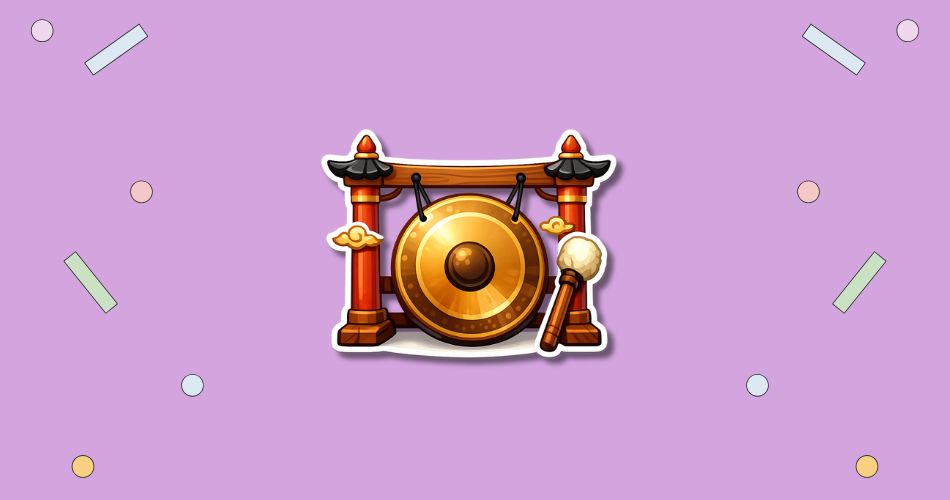
National Day of the Gong is observed every year on June 21. In 2027, this date falls on a Monday. The day honors the gong as a percussion instrument with deep roots in Asian musical traditions and a modern presence in performances, ceremonies, meditation sessions, and sound-focused wellness practices. It gives musicians, listeners, teachers, and curious beginners a reason to learn how gongs are made, played, and heard. The tone can be dramatic, soft, shimmering, or deeply resonant, which makes the instrument easy to recognize even for people who have never tried to play one. 1 2
Contents
HT Meter
Does this day matter to you?
Tap the meter if it does, and say whether you will be celebrating — that is what opens the wishes from everybody else who will be.
This day matters to me
0 Be the first to say so
Just getting started
0 Let others know you’re in.
Wishes, greetings and stories
Join the celebration to share a wish, a greeting, or how this day goes in your house.
These are kept for the people celebrating this day. Say you will be celebrating to read them and to add your own.
You have already shared something here recently.
Nothing here yet. Yours would be the first.
See also: Buy a Musical Instrument Day, National Trombone Players Day, Early Music Day, World Play Your Ukulele Day, World Sound Healing Day
History of National Day of the Gong
Gongs have a long history in East and Southeast Asian musical life. The word “gong” is Javanese, and historical references place gongs in China by the 6th century and in Java by the 9th century. The instrument usually consists of a metal disc that is struck with a mallet, though gongs vary widely in shape, size, pitch, and sound. Flat gongs, knobbed or bossed gongs, and bowl-shaped gongs all have different musical roles and acoustic qualities.
National Guitar Day
National Day of the Gong was founded by Gong to Go, a project associated with expanding public awareness of the gong’s musical, creative, and reflective uses. In 2017, June 21 was proclaimed as the annual date for the observance. Today, the day is connected with both traditional and contemporary uses of the instrument, from concert music and cultural ceremonies to meditation rooms and educational demonstrations. Its modern meaning is broad but consistent: pay attention to the gong as a powerful instrument of sound.
Why is National Day of the Gong important?
National Day of the Gong is important because it keeps attention on an instrument that is often heard dramatically but not always understood. A gong can mark a ritual moment, support an ensemble, signal a transition, or fill a room with layers of vibration. Learning about it helps people notice the craft behind the sound, including the metalwork, tuning, mallet technique, and performance setting. The day also makes room for listening as an active experience rather than background noise.
The observance also points to the cultural reach of percussion. Gongs appear in traditional Asian ensembles, Western orchestral music, ceremonies, performance art, and modern wellness settings. That range shows how one instrument can move across regions and uses while still keeping a distinct identity. For readers who enjoy music, history, meditation, or instrument making, the day offers a focused way to explore how sound can carry tradition, creativity, and atmosphere.
- It brings attention to a historic percussion instrument.
- It supports curiosity about Asian musical traditions.
- It encourages careful listening.
- It connects craft, performance, and sound.
- It gives beginners an approachable music topic to explore.
How to Celebrate National Day of the Gong
Make it yours
How would you like to spend National Day of the Gong?
Tick what fits you, and we will put together ideas made for this day — not for any day.
Buy a Musical Instrument Day
Listen to a gong performance and pay attention to how the sound changes after the first strike. The note may bloom, darken, shimmer, or fade slowly depending on the instrument and the player’s touch. A local concert, school music room, museum program, yoga studio, or online performance can provide a practical starting point. Readers who have access to a small gong can also try simple playing techniques, using gentle strikes rather than treating the instrument only as a loud effect.
The day also works well as a small learning project. Read about the difference between flat and bossed gongs, look up how gongs are used in gamelan or other ensembles, or compare the sound of a concert tam-tam with a smaller meditation gong. Teachers can use the day for a short music-history lesson, while families can explore percussion by listening to recordings and identifying different instruments. Anyone attending a gong bath or meditation session should choose a reputable practitioner and remember that sound-based relaxation is not a replacement for medical care.
- Watch a short gong performance.
- Learn the names of common gong types.
- Visit a music shop or museum display.
- Try a gentle mallet strike if a gong is available.
- Share a recording that highlights the instrument’s sound.
National Day of the Gong Dates
| Year | Date | Day of the week |
|---|---|---|
| 2026 | June 21 | Sunday |
| 2027 next | June 21 | Monday |
| 2028 | June 21 | Wednesday |
| 2029 | June 21 | Thursday |
| 2030 | June 21 | Friday |
Thank you for your feedback!

National Drummer Day (National Drumming Day)
Fuel the next post!