



National Electricity Day (Fly a Kite Day)
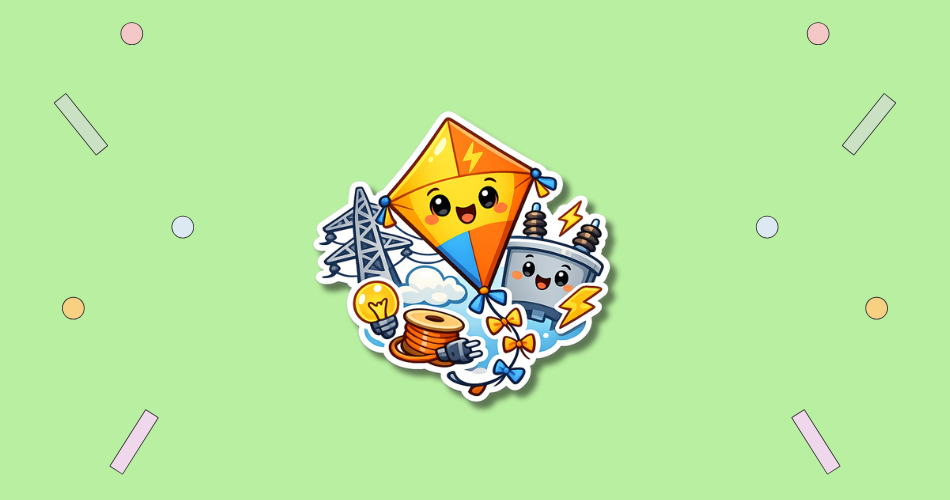
National Electricity Day (Fly a Kite Day) is observed every year on June 15. In 2027, this date falls on a Tuesday. The day connects everyday electricity with one of the most famous science stories in American history: Benjamin Franklin’s kite experiment in 1752. It is a light, educational observance that can include simple science activities, safe kite flying, and conversations about how electricity powers homes, schools, hospitals, transportation, communication, and modern work. The day is also a good moment to separate the popular legend from the safer historical lesson: Franklin’s kite was not struck by lightning, and no one should try to repeat the experiment. 1
Contents
See also: National Static Electricity Day, Go Fly a Kite Day, International Kite Day
HT Meter
Does this day matter to you?
Tap the meter if it does, and say whether you will be celebrating — that is what opens the wishes from everybody else who will be.
This day matters to me
0 Be the first to say so
Just getting started
0 Let others know you’re in.
Wishes, greetings and stories
Join the celebration to share a wish, a greeting, or how this day goes in your house.
These are kept for the people celebrating this day. Say you will be celebrating to read them and to add your own.
You have already shared something here recently.
Nothing here yet. Yours would be the first.
History of National Electricity Day (Fly a Kite Day)
National Electricity Day is tied to Benjamin Franklin’s 1752 work on lightning and electricity. Franklin had been studying electricity for years before the kite experiment, and his goal was to show that lightning and electricity were connected. Accounts of the experiment describe a kite made with a silk handkerchief, a wire at the top, string, a silk ribbon, a key, and a Leyden jar that could store electrical charge. The exact date of Franklin’s kite experiment is debated by historians, with some accounts placing it around June 10 and others connecting the modern observance with June 15.

National Kite-Flying Day
The experiment became famous because it made a complex scientific idea memorable. Franklin did not discover electricity, but his work helped demonstrate the electrical nature of lightning and contributed to later safety ideas such as the lightning rod. The kite also gives the observance its second theme: flight, wind, curiosity, and hands-on learning. Today, the day is best understood as a mix of science appreciation and outdoor fun, with an important safety message built into the story.
Why is National Electricity Day (Fly a Kite Day) important?
Electricity is so familiar that it can become almost invisible. Lights turn on, phones charge, refrigerators run, medical devices work, and computers connect people across long distances, often without much thought about the systems behind them. National Electricity Day gives that everyday power a little attention and makes it easier to talk about energy, safety, conservation, and scientific discovery. For families and classrooms, the Franklin story can introduce basic ideas about charge, conductors, storms, and the difference between a dramatic legend and a careful experiment.
The kite connection adds a useful human angle. Kites are simple objects, but they have been used for play, art, weather observation, and scientific experiments. On this day, a kite can be more than a toy; it can become a way to talk about wind, lift, design, and responsible outdoor safety. The day also invites people to notice how scientific understanding grows through questions, experiments, corrections, and caution.
- It makes electricity easier to discuss with children.
- It connects science history with everyday life.
- It encourages safe outdoor kite flying.
- It reminds people to respect storms and power lines.
- It supports curiosity without risky experiments.
How to Celebrate National Electricity Day (Fly a Kite Day)
Make it yours
How would you like to spend National Electricity Day (Fly a Kite Day)?
Tick what fits you, and we will put together ideas made for this day — not for any day.
Go Fly a Kite Day
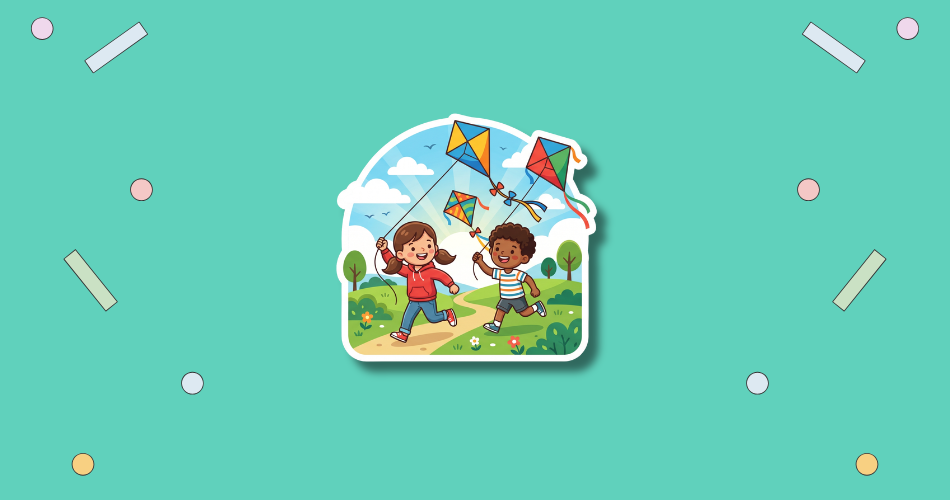
Fly a kite in a wide-open area, far from power lines, trees, roads, airports, and stormy weather. A breezy park, beach, or open field is a better choice than a crowded neighborhood street. Children can decorate a simple kite, compare different kite shapes, or test how tail length affects stability in safe conditions. For the electricity side of the day, try a supervised static electricity activity with a balloon, look at a home energy bill, or talk about where local power comes from.
A more thoughtful celebration can focus on safety and conservation. Use the day to replace damaged extension cords, review storm safety rules, or remind children never to fly kites near electrical wires. Teachers can use Franklin’s story to explain why science is not just about big discoveries, but also about careful observation and learning from evidence. Families can also turn off unused lights, unplug idle chargers, or choose one practical habit that reduces wasted electricity.
- Fly a kite only in clear weather.
- Make a paper or lightweight fabric kite.
- Try a safe static electricity demonstration.
- Read about Benjamin Franklin’s science work.
- Check your home for basic electrical hazards.
National Electricity Day (Fly a Kite Day) Dates
| Year | Date | Day of the week |
|---|---|---|
| 2026 | June 15 | Monday |
| 2027 next | June 15 | Tuesday |
| 2028 | June 15 | Thursday |
| 2029 | June 15 | Friday |
| 2030 | June 15 | Saturday |