


National Bug Busting Day
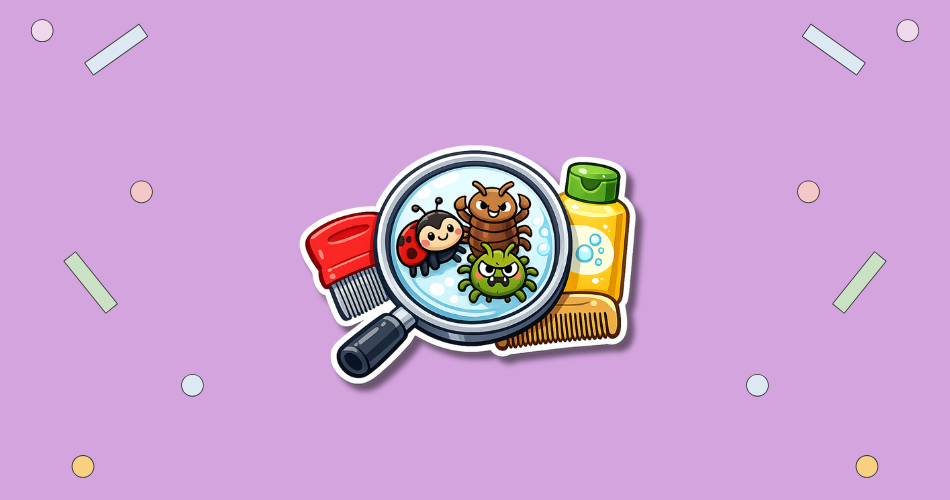
National Bug Busting Day is observed every year on June 15 as one of the annual dates used to raise awareness about head lice detection and treatment. In 2027, this date falls on a Tuesday. The wider Bug Busting campaign also promotes coordinated checking on January 31 and October 31, especially in school communities. The day focuses on practical, stigma-free action: checking hair carefully, using wet combing when needed, and helping families respond quickly when live lice are found. It is a health awareness day with a calm, educational tone rather than a festive holiday. 1 2
Contents
See also: National Bed Bug Prevention Day, Insect Repellent Awareness Day
HT Meter
Does this day matter to you?
Say that it does, and say whether you will be marking it. Both are anonymous to nobody but kind to everybody.
This day matters to me
0 Be the first to say so
Quietly remembered
0 Nobody has said so yet
Notes of remembrance
Join those marking this day to share a word, a memory, or the reason it matters to you.
These notes are kept for the people marking this day. Say you will be marking it to read them and to leave your own.
You have already shared a note here recently.
No notes yet. Yours would be the first.
History of National Bug Busting Day
National Bug Busting Day is connected with the work of Community Hygiene Concern, a UK nonprofit organization set up in 1988 to help families, schools, and community health services deal with head lice more effectively. The organization’s Bug Busting approach grew from work on wet combing and coordinated detection, with Dr. R. J. Donaldson closely associated with the development of Bug Busting Days. The core idea was simple but practical: head lice are easier to manage when families check at the same time and use reliable methods rather than waiting for visible outbreaks.
National Bed Bug Prevention Day
Head lice have long been treated as an uncomfortable school and family problem, but the observance reframes the issue as a normal health matter that can affect anyone. It is not a sign of poor hygiene, and it spreads mainly through close head-to-head contact. Today, National Bug Busting Day is used to encourage families, schools, nurseries, and health professionals to share accurate information, reduce embarrassment, and support early detection. The day is especially relevant during the school year, when close contact among children can make lice easier to pass from one head to another.
Why is National Bug Busting Day important?
National Bug Busting Day is important because head lice are common, easy to miss, and often surrounded by myths. A child may have only a small number of lice, and casual inspection may not find them. Regular checking with a fine-toothed detection comb gives families a better chance of spotting live lice early. When treatment starts promptly and household members are checked, the problem is less likely to keep circulating.
The day also matters because it helps remove shame from a routine childhood condition. Head lice can affect clean hair, any family, and children from many different backgrounds. A whole-school or whole-community approach avoids singling out one child or household. It encourages informed self-care, practical advice from pharmacists or health services when needed, and a more sensible response than panic, blame, or rumor.
- It helps families check for head lice before the problem spreads.
- It reminds people that head lice are not caused by dirty hair.
- It supports schools with a coordinated, nonjudgmental message.
- It promotes wet combing and careful detection.
- It reduces embarrassment around a common childhood issue.
How to Observe National Bug Busting Day
Make it yours
How would you like to spend National Bug Busting Day?
Tick what fits you, and we will put together ideas made for this day — not for any day.
National Be Nice to Bugs Day
Check children’s hair carefully with a fine-toothed detection comb, especially if there has been close contact at school, nursery, clubs, or sleepovers. Wet combing usually involves washing the hair with ordinary shampoo, applying plenty of conditioner, and combing from the roots to the ends in sections. The goal is to find live lice, not simply to react to itching or old egg cases. If live lice are found, check other household members and treat those affected on the same day.
Schools and parent groups can use the day to share clear, calm guidance instead of sending alarming messages. A short reminder about head-to-head contact, detection combs, and pharmacy advice is more useful than blame or exclusion. Children usually do not need to miss school because of head lice, so families benefit from practical treatment steps rather than unnecessary disruption. The best observance is private, matter-of-fact, and focused on helping everyone know what to do.
- Comb through wet, conditioned hair in good light.
- Check the comb after each pass through the hair.
- Treat only when live lice are found.
- Ask a pharmacist about suitable treatment options.
- Share school guidance without naming or shaming anyone.
National Bug Busting Day Dates
| Year | Date | Day of the week |
|---|---|---|
| 2026 | June 15 | Monday |
| 2027 next | June 15 | Tuesday |
| 2028 | June 15 | Thursday |
| 2029 | June 15 | Friday |
| 2030 | June 15 | Saturday |