




National Megalodon Day
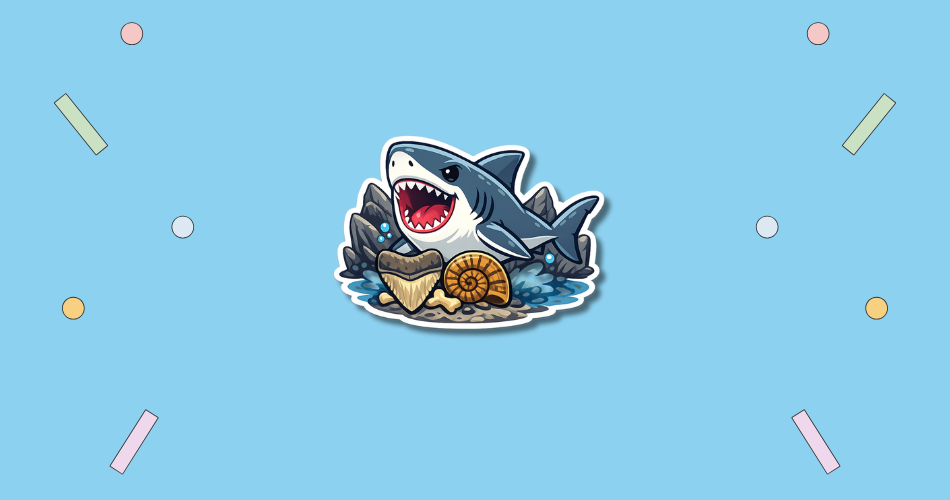
National Megalodon Day is observed every year on June 15. In 2027, this date falls on a Tuesday. The day focuses on Otodus megalodon, the enormous prehistoric shark known mostly from fossilized teeth and other fragmentary remains. It is a cheerful educational observance for fossil fans, shark enthusiasts, museum visitors, students, and families interested in ancient oceans. The date also connects the day with the Aurora Fossil Museum in North Carolina, where megalodon teeth and regional fossil finds are an important part of the museum’s identity. 1 2
Contents
See also: Dinosaur Day, National Velociraptor Awareness Day, Shark Awareness Day
HT Meter
Does this day matter to you?
Tap the meter if it does, and say whether you will be celebrating — that is what opens the wishes from everybody else who will be.
This day matters to me
0 Be the first to say so
Just getting started
0 Let others know you’re in.
Wishes, greetings and stories
Join the celebration to share a wish, a greeting, or how this day goes in your house.
These are kept for the people celebrating this day. Say you will be celebrating to read them and to add your own.
You have already shared something here recently.
Nothing here yet. Yours would be the first.
History of National Megalodon Day
National Megalodon Day was first proclaimed for June 15, 2021. The date was chosen to honor the anniversary of the Aurora Fossil Museum opening to the public on June 15, 1978. The effort was connected with the museum’s leadership and supporters, including Executive Director Cynthia Crane, the Aurora Fossil Museum Foundation board, and Dr. Bruce Worf. The museum’s connection to megalodon is especially fitting because its logo features a fossilized megalodon tooth, and the surrounding region is known for Miocene and Pliocene fossils.
Shark Awareness Day
The megalodon itself lived millions of years before any modern observance named for it. Scientists identify it as an extinct giant shark, and its remains show that it was among the largest marine predators known from the fossil record. Because sharks have skeletons made largely of cartilage, megalodon is known especially through teeth, vertebrae, and other limited fossil material rather than complete skeletons. Today, the day uses the fascination surrounding this ancient shark to point people toward paleontology, fossil collecting, museum learning, and the long history of life in the oceans.
Why is National Megalodon Day important?
National Megalodon Day gives science education a memorable hook. A single large fossil tooth can start a conversation about extinct animals, ocean ecosystems, geology, evolution, and how scientists use incomplete evidence to understand the past. The day is especially useful for children because megalodon is dramatic enough to capture attention while still leading to real scientific questions. It also gives local museums and fossil education centers a natural reason to highlight collections that might otherwise be overlooked.
The day also matters because it separates scientific curiosity from movie-monster exaggeration. Megalodon was an extraordinary animal, but it is not alive today, and the best information about it comes from fossils, careful comparison, and ongoing research. Learning about the species helps people understand that prehistoric life was complex, changing, and connected to climate, food webs, and extinction. That perspective can make modern ocean life feel more remarkable, not less.
- Fossils make ancient life easier to imagine.
- Shark history connects oceans past and present.
- Museums gain a lively science teaching moment.
- Children can explore paleontology through a familiar creature.
- Extinction becomes easier to discuss through real evidence.
How to Celebrate National Megalodon Day
Make it yours
How would you like to spend National Megalodon Day?
Tick what fits you, and we will put together ideas made for this day — not for any day.
International Whale Shark Day
Visit a natural history museum, fossil museum, aquarium, or local science center with shark or marine fossil displays. Look closely at fossil teeth and compare their size, shape, and serrated edges with those of modern sharks. At home, read a book about prehistoric marine life, watch a documentary, or use the day to learn the difference between megalodon facts and fictional portrayals. Families can also make simple activities out of measuring estimated shark lengths, drawing a tooth, or building a timeline of ancient ocean life.
For a more thoughtful celebration, connect megalodon with the work of fossil educators and museum collections. Small museums often preserve regional discoveries, teach visitors how fossils are found, and help children see science as something hands-on rather than distant. The day also pairs well with conversations about today’s sharks, many of which face pressure from habitat loss, overfishing, and fear-based misunderstanding. Appreciating an extinct giant can lead to a better understanding of living marine animals and the ecosystems they still support.
- Visit a fossil exhibit or shark display.
- Sketch a megalodon tooth from a reference image.
- Read about how fossil teeth help scientists estimate size.
- Watch a science-based shark documentary.
- Compare megalodon with a modern great white shark.
National Megalodon Day Dates
| Year | Date | Day of the week |
|---|---|---|
| 2026 | June 15 | Monday |
| 2027 next | June 15 | Tuesday |
| 2028 | June 15 | Thursday |
| 2029 | June 15 | Friday |
| 2030 | June 15 | Saturday |