



Dinosaur Day
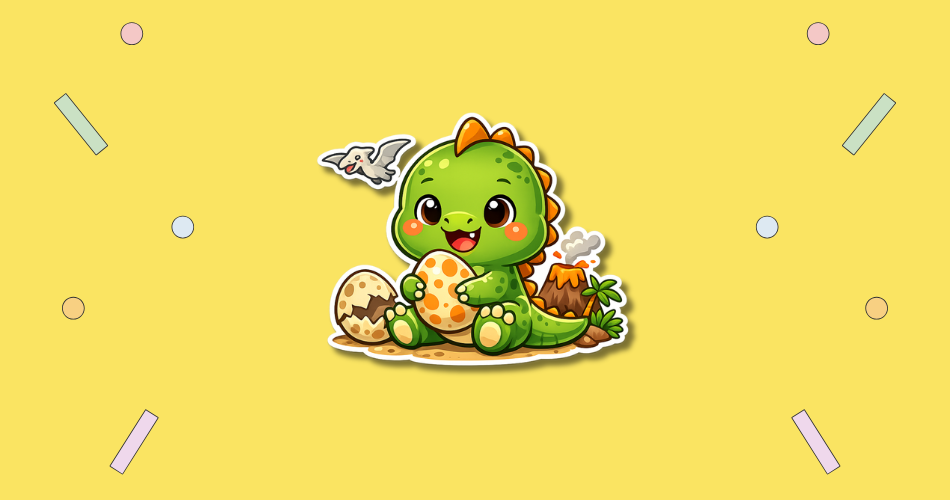
Dinosaur Day is observed every year on June 1. In 2027, this date falls on a Tuesday. The day is a cheerful observance for learning about dinosaurs, paleontology, fossils, and the ancient world they once inhabited. It is especially popular with families, teachers, museums, classrooms, and young dinosaur fans who enjoy turning science into hands-on discovery. Dinosaur Day also gives adults a good reason to revisit one of the most fascinating subjects in natural history.
Contents
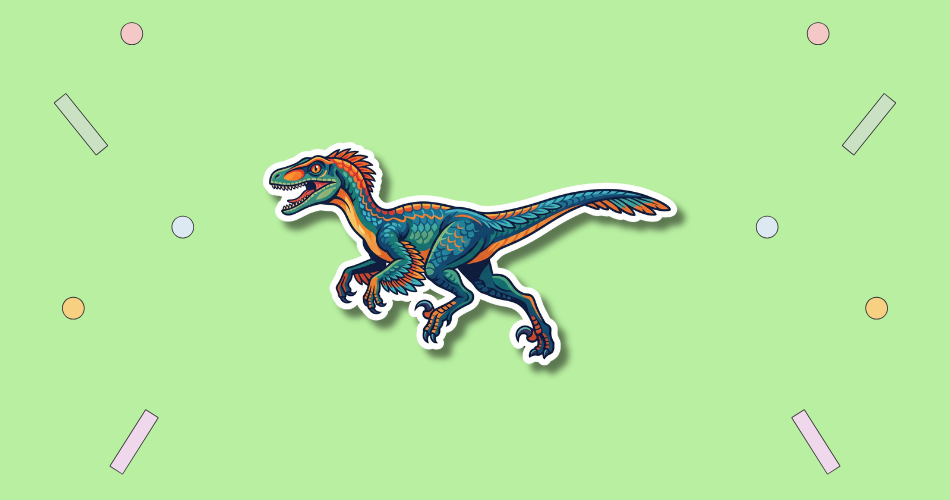
See also: Dinosaur Day, National Draw A Dinosaur Day, National Velociraptor Awareness Day
HT Meter
Does this day matter to you?
Tap the meter if it does, and say whether you will be celebrating — that is what opens the wishes from everybody else who will be.
This day matters to me
0 Be the first to say so
Just getting started
0 Let others know you’re in.
Wishes, greetings and stories
Join the celebration to share a wish, a greeting, or how this day goes in your house.
These are kept for the people celebrating this day. Say you will be celebrating to read them and to add your own.
You have already shared something here recently.
Nothing here yet. Yours would be the first.
History of Dinosaur Day
The modern observance does not have one clearly confirmed founder, official sponsor, or origin year. What can be stated safely is that June 1 is now widely used as a dinosaur-themed day focused on science learning, fossil curiosity, and prehistoric life. Dinosaurs themselves have a much deeper history than the observance: non-bird dinosaurs lived roughly between 245 million and 66 million years ago, during the Mesozoic Era. That era is commonly divided into the Triassic, Jurassic, and Cretaceous periods, each with major changes in climate, landmasses, plants, and animal life.
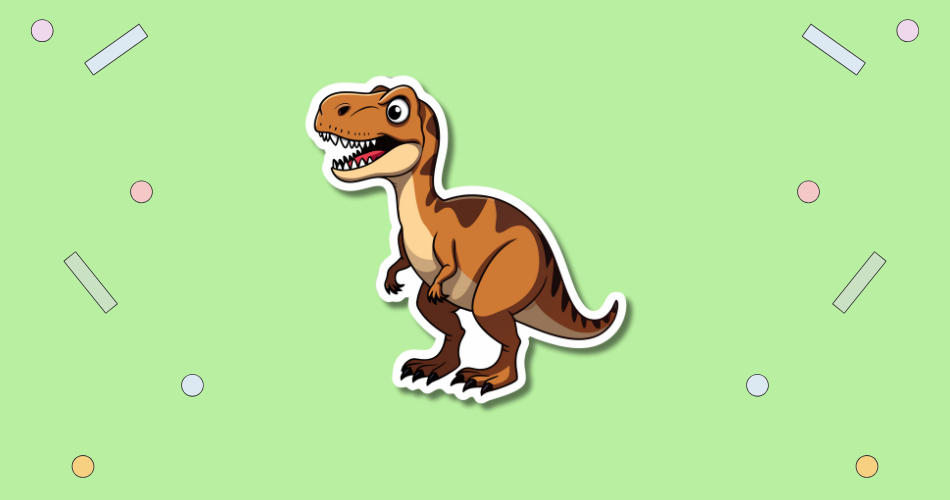
Dinosaur Day
The word “dinosaur” is often used loosely in popular culture, but scientifically it refers to a specific group of reptiles with features that helped them thrive on land. Dinosaurs ranged from small, birdlike species to enormous sauropods, and they lived in many environments over millions of years. Many non-bird dinosaurs disappeared during the mass extinction at the end of the Cretaceous, while birds are understood as the living dinosaur lineage that survives today. Dinosaur Day uses that scientific background in a light, accessible way, helping people connect fossils, museums, books, and classroom activities with real questions about Earth’s past.
Why is Dinosaur Day important?
Dinosaur Day matters because dinosaurs are one of the easiest gateways into science for children and adults. A child who starts by loving Tyrannosaurus rex or Triceratops may also become interested in geology, evolution, anatomy, climate, extinction, and deep time. Fossils show that Earth has changed dramatically, and dinosaur studies help explain how scientists build knowledge from bones, footprints, rock layers, and careful comparison. The day makes those ideas feel approachable rather than distant or technical.
The observance also supports curiosity beyond memorizing dinosaur names. Learning about dinosaurs teaches patience, evidence, and the value of asking better questions when the full answer is not available. It can also encourage visits to natural history museums, reading nonfiction books, and respecting fossil sites as scientific records rather than souvenirs. For families and classrooms, Dinosaur Day works because it combines imagination with real learning.
- Dinosaurs make science feel exciting and approachable.
- Fossils help explain Earth’s long history.
- Museum visits can turn curiosity into deeper learning.
- Dinosaur activities connect art, reading, and science.
- The day supports respect for paleontology and natural history.
❓️ Dinosaur Quiz
How to Celebrate Dinosaur Day
Make it yours
How would you like to spend Dinosaur Day?
Tick what fits you, and we will put together ideas made for this day — not for any day.

National Draw A Dinosaur Day
Visit a natural history museum, watch a dinosaur documentary, read a fossil book, or set up a simple dinosaur activity at home. Children can draw favorite dinosaurs, compare herbivores and carnivores, build paper fossils, or make a timeline showing the Triassic, Jurassic, and Cretaceous periods. Adults can use the day to learn a little more about recent fossil discoveries, the difference between dinosaurs and other prehistoric reptiles, or the connection between birds and theropod dinosaurs. A small activity can still feel memorable when it is tied to a real question, such as how fossils form or why some dinosaurs had feathers.
Classrooms can use Dinosaur Day for reading practice, vocabulary, measuring activities, art projects, and beginner science lessons. Families can look for local museum programs, library displays, fossil exhibits, or safe public fossil parks where collecting rules are clearly posted. The best activities balance fun with accuracy, since dinosaurs are already fascinating without adding myths or exaggerated claims. Even a simple afternoon of books, sketches, and discussion can help children see science as something active and discoverable.
- Read a dinosaur book from a library or classroom shelf.
- Draw a dinosaur and label its body parts.
- Watch a science-based dinosaur documentary.
- Compare fossils, bones, and footprints in pictures.
- Visit a museum or look up a digital fossil exhibit.
Dinosaur Day Dates
| Year | Date | Day of the week |
|---|---|---|
| 2026 | June 1 | Monday |
| 2027 next | June 1 | Tuesday |
| 2028 | June 1 | Thursday |
| 2029 | June 1 | Friday |
| 2030 | June 1 | Saturday |