


Day Without Alcohol in Poland
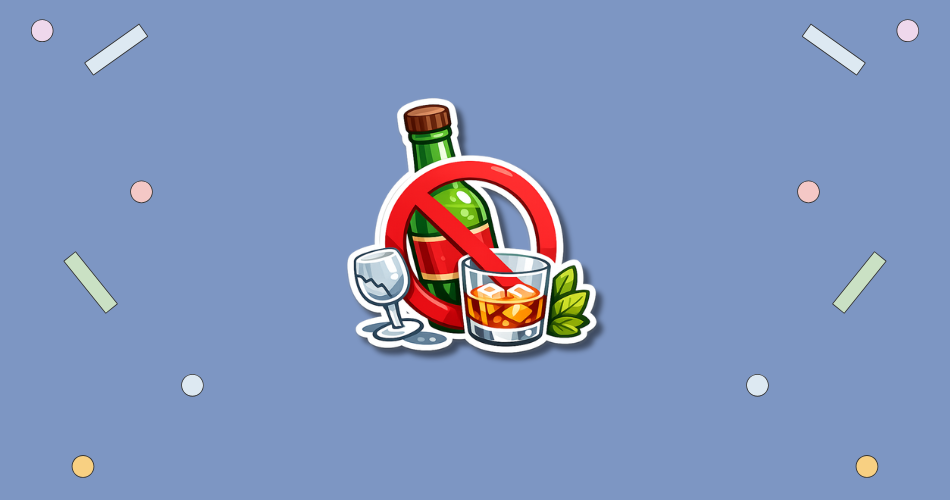
Day Without Alcohol in Poland is observed every year on June 1. In 2027, this date falls on a Tuesday. The day focuses on abstaining from alcoholic beverages and paying attention to the personal, family, and social harm connected with alcohol abuse. It is a national Polish observance established by a resolution of the Sejm in 2006, and it is not a public holiday with a day off from work. Its timing, on International Children’s Day, gives the observance a strong family and child-protection focus. 1
Contents
See also: Hug an Addict or Alcoholic Day, Drowsy Driver Awareness Day, National Alcohol Screening Day
HT Meter
Does this day matter to you?
Say that it does, and say whether you will be marking it. Both are anonymous to nobody but kind to everybody.
This day matters to me
0 Be the first to say so
First voices
0 Nobody has said so yet
Notes of remembrance
Join those marking this day to share a word, a memory, or the reason it matters to you.
These notes are kept for the people marking this day. Say you will be marking it to read them and to leave your own.
You have already shared a note here recently.
No notes yet. Yours would be the first.
History of Day Without Alcohol in Poland
Day Without Alcohol in Poland was established by the Sejm of the Republic of Poland through a resolution dated May 24, 2006. The resolution set June 1 as a day without alcohol and called for actions aimed at limiting the consumption of alcoholic beverages and reducing access to alcohol. The date was chosen because June 1 is also International Children’s Day in Poland, linking the observance with the safety and well-being of children. This connection is important because alcohol-related harm often affects people beyond the person who drinks, including spouses, children, and other family members.

National Alcohol Screening Day
The observance belongs to a wider Polish conversation about sobriety, public health, family life, and alcohol policy. Poland has long had social traditions connected with alcohol, but public institutions and health organizations also recognize the costs of harmful drinking. Day Without Alcohol is now used as a moment for prevention messages, school and community education, and reflection on how alcohol affects homes, roads, workplaces, and public spaces. Its purpose is practical rather than symbolic: it asks individuals, families, and communities to consider what changes can reduce harm.
Why is Day Without Alcohol in Poland important?
Day Without Alcohol in Poland is important because alcohol harm is not limited to addiction. Heavy drinking can contribute to injuries, chronic disease, violence, neglect, family stress, and impaired judgment. A single alcohol-free day will not solve those problems, but it can make the issue visible in a way that is easy to understand. It also gives people a low-pressure way to examine their own habits and notice how often alcohol appears in ordinary routines.
The day also matters because children and young people can be deeply affected by adult drinking. When alcohol is connected with conflict, unpredictability, unsafe driving, financial pressure, or neglect, the consequences can shape a child’s sense of security. Public awareness days help move the discussion away from shame and toward prevention, support, and healthier choices. In that sense, the observance is not only about avoiding alcohol for one day; it is about creating safer homes and communities.
- It brings attention to alcohol-related harm in daily life.
- Families can use the day to talk honestly about drinking.
- Schools and communities can focus on prevention.
- The date connects sobriety with children’s safety.
- It supports people who choose not to drink.
How to Observe Day Without Alcohol in Poland
Make it yours
How would you like to spend Day Without Alcohol in Poland?
Tick what fits you, and we will put together ideas made for this day — not for any day.

National Sober Day
Skip alcoholic drinks for the day and choose alcohol-free alternatives at meals, gatherings, or evening routines. Anyone who drinks regularly can use the date to notice patterns, such as drinking out of habit, stress, boredom, or social pressure. Families can keep the day simple by planning an alcohol-free dinner, walk, game night, or outing with children. Workplaces, schools, and community groups can use the observance for short educational messages about responsible choices and the effects of harmful drinking.
The day can also be used to support someone who is trying to reduce or stop drinking. That support does not need to be dramatic; it may mean respecting someone’s choice not to drink, avoiding jokes about abstinence, or offering alcohol-free options without comment. People worried about their own drinking can treat the day as a prompt to speak with a doctor, counselor, support group, or trusted person. The most useful observance is one that reduces stigma while making the risks of alcohol easier to discuss.
- Choose alcohol-free drinks for the full day.
- Offer nonalcoholic options at a gathering.
- Talk with children in age-appropriate language.
- Avoid pressuring anyone to drink.
- Seek help if drinking feels hard to control.
Day Without Alcohol in Poland Dates
| Year | Date | Day of the week |
|---|---|---|
| 2026 | June 1 | Monday |
| 2027 next | June 1 | Tuesday |
| 2028 | June 1 | Thursday |
| 2029 | June 1 | Friday |
| 2030 | June 1 | Saturday |