


Intergenerational Day
Intergenerational Day is observed every year on June 1. In 2027, this date falls on a Tuesday. The day focuses on building friendly, respectful connections between people of different ages, especially children, youth, adults, and older adults. It is closely associated with Canada, where communities, schools, families, and care organizations use the date to strengthen everyday relationships across generations. Activities may be as simple as a conversation, a shared meal, a classroom visit, a community project, or a small act of kindness between people who might not usually spend time together. 1
Contents
See also: National Sorry Day, National Do Something Good for Your Neighbor Day, National Say Something Nice Day
HT Meter
Does this day matter to you?
Tap the meter if it does, and say whether you will be celebrating — that is what opens the wishes from everybody else who will be.
This day matters to me
0 Be the first to say so
Just getting started
0 Let others know you’re in.
Wishes, greetings and stories
Join the celebration to share a wish, a greeting, or how this day goes in your house.
These are kept for the people celebrating this day. Say you will be celebrating to read them and to add your own.
You have already shared something here recently.
Nothing here yet. Yours would be the first.
History of Intergenerational Day
Intergenerational Day grew from work in Canada that focused on respect for older adults and stronger relationships between age groups. The observance is connected with efforts to prevent ageism, loneliness, and elder mistreatment by encouraging positive contact before problems take root. The first Canadian proclamation is associated with Sidney, British Columbia, in 2010, and the day has since been promoted through community activities and local proclamations. By 2026, it is described as the 16th Intergenerational Day Canada.
International Day of Older Persons
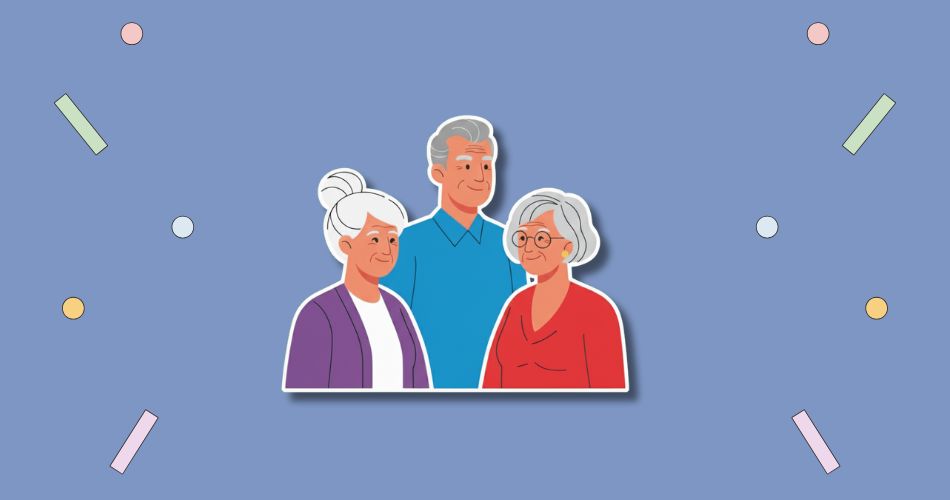
The idea behind the day is simple but practical: communities are healthier when people of different ages know one another. Older adults carry stories, skills, memory, and perspective, while younger people bring questions, energy, new tools, and different ways of seeing the world. Intergenerational programs can happen in schools, libraries, senior residences, recreation centers, neighborhoods, and family settings. The day’s modern purpose is less about a formal ceremony and more about making age-friendly connection visible and normal.
Why is Intergenerational Day important?
Intergenerational Day is important because many people spend most of their time with others near their own age. Schools, workplaces, housing, and care settings can unintentionally separate generations, leaving fewer chances for ordinary conversation. When younger and older people interact in respectful ways, stereotypes can soften and practical understanding can grow. A short visit, a shared task, or a regular program can help someone feel seen instead of overlooked.
The day also addresses loneliness and social isolation in a direct, human way. Older adults may benefit from companionship, purpose, and opportunities to share what they know, while children and teens can gain confidence, patience, and a stronger sense of community. Adults in the middle generations may also find support by connecting family, neighbors, and local organizations. Intergenerational relationships help communities become more resilient because people are more likely to notice needs, offer help, and value each stage of life.
- It helps reduce age-based stereotypes.
- It supports friendship across age groups.
- It gives older adults more chances to be heard.
- It helps younger people learn from lived experience.
- It strengthens families, schools, and neighborhoods.
How to Celebrate Intergenerational Day
Make it yours
How would you like to spend Intergenerational Day?
Tick what fits you, and we will put together ideas made for this day — not for any day.
Join Hands Day
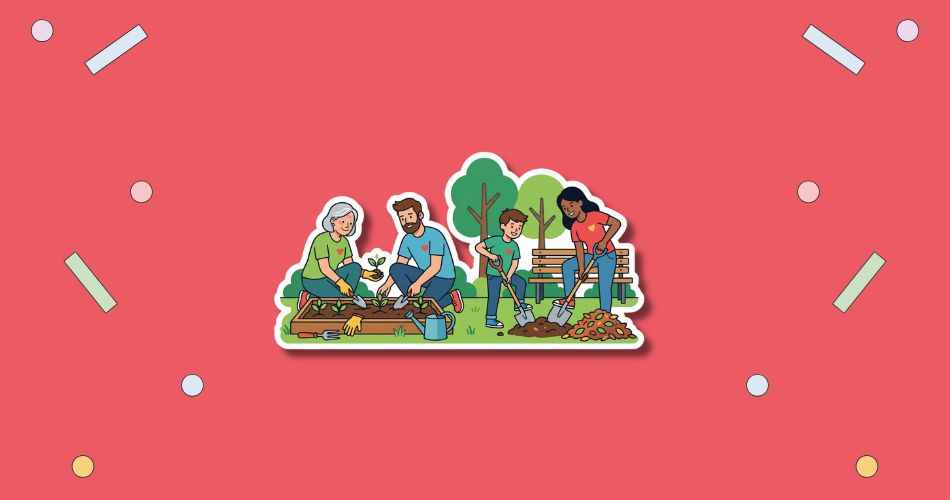
Call, visit, or spend time with someone from a different generation. A child might interview a grandparent or neighbor about childhood memories, while an older adult might ask a young person to explain a favorite app, song, game, or school project. Families can cook a recipe together, sort old photos, plant flowers, make a playlist, or take a short walk. Community groups can plan mixed-age activities that give everyone a real role, not just a seat in the room.
Schools, libraries, senior centers, and local organizations can use the day to start ongoing connections rather than one-time visits. A class might write cards to older residents, a care home might invite students for reading or music, or a neighborhood group might organize a shared garden or storytelling circle. The best activities are simple, respectful, and comfortable for different mobility levels, communication styles, and attention spans. Small gestures work well when they are sincere and easy to repeat beyond June 1.
- Ask an older relative to tell a favorite story.
- Teach someone a simple digital skill.
- Share lunch with a neighbor from another generation.
- Read with children or older adults.
- Create a mixed-age volunteer project.
Intergenerational Day Dates
| Year | Date | Day of the week |
|---|---|---|
| 2026 | June 1 | Monday |
| 2027 next | June 1 | Tuesday |
| 2028 | June 1 | Thursday |
| 2029 | June 1 | Friday |
| 2030 | June 1 | Saturday |