


Gawai Dayak
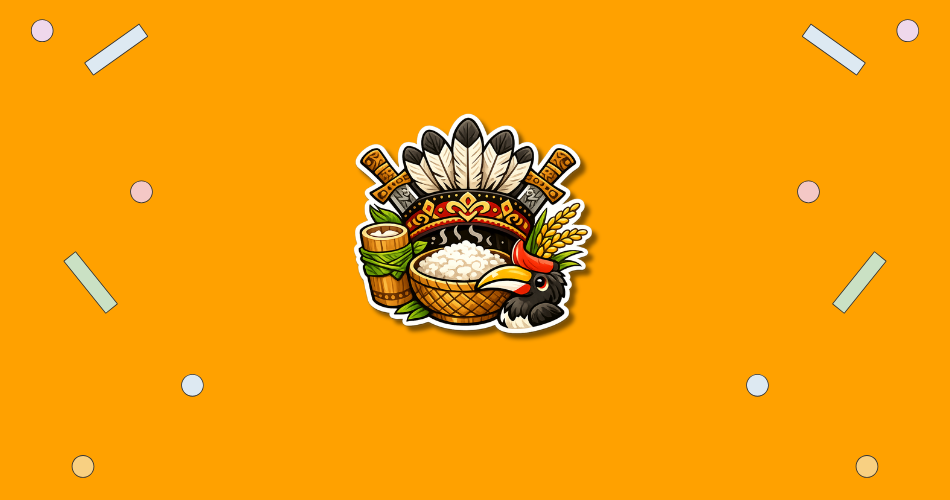
Gawai Dayak is observed every year on June 1. In 2027, this date falls on a Tuesday. The festival is a major harvest celebration in Sarawak, Malaysia, especially among Dayak communities such as the Iban, Bidayuh, Kayan, Kenyah, Kelabit, Lun Bawang, Orang Ulu, and others. It marks the close of the rice harvest season, gives thanks for blessings received, and welcomes hopes for health, harmony, and prosperity in the year ahead. Although the public holiday is closely associated with June 1 and June 2 in Sarawak, many family visits, open houses, cultural programs, and community gatherings can continue beyond the official holiday period.
Contents
HT Meter
Does this day matter to you?
Tap the meter if it does, and say whether you will be celebrating — that is what opens the wishes from everybody else who will be.
This day matters to me
0 Be the first to say so
Just getting started
0 Let others know you’re in.
Wishes, greetings and stories
Join the celebration to share a wish, a greeting, or how this day goes in your house.
These are kept for the people celebrating this day. Say you will be celebrating to read them and to add your own.
You have already shared something here recently.
Nothing here yet. Yours would be the first.
See also: Lantern Festival, Festival of Ridvan
History of Gawai Dayak
Gawai Dayak grew from older harvest traditions connected with rice farming, longhouse life, thanksgiving, and renewal. In Sarawak, the modern public celebration developed in the mid-20th century as Dayak leaders and community voices sought wider recognition for a shared Dayak festival. The festival was formally gazetted as a public holiday in Sarawak in 1964, and the first official celebration took place on June 1, 1965. Since then, it has become one of Sarawak’s most important cultural holidays and a public expression of Dayak identity.
Sarawak Day
The word “Gawai” refers to a ritual or festival, while “Dayak” is a collective term for many Indigenous groups of Borneo. Gawai Dayak is connected with gratitude for the rice harvest, respect for nature, family reunion, and the strengthening of community ties. In traditional longhouse settings, the evening before June 1 may include ceremonial practices, music, food preparation, and the welcoming of a new festive period. Today, the holiday combines inherited customs with church services, public events, cultural performances, pageants, open houses, and visits among relatives and friends.
Why is Gawai Dayak important?
Gawai Dayak is important because it gives public recognition to the cultures, histories, and living traditions of Sarawak’s Dayak communities. The festival keeps attention on practices that grew out of agricultural life, including thanksgiving after the rice harvest and hopes for a good planting season ahead. It also creates a yearly moment when families return home, longhouses welcome guests, and younger generations see traditional dress, dance, food, language, and ceremonial customs in everyday use rather than only in museums or formal displays.
The holiday also matters because it shows how cultural identity can remain strong while adapting to modern life. Many Dayak families no longer depend on rice farming in the same way earlier generations did, yet the meaning of gratitude, hospitality, and kinship remains central. Gawai Dayak links rural and urban communities, elders and young people, and traditional and contemporary Sarawak. It is both a festive holiday and a reminder that cultural continuity depends on families, communities, and public recognition working together.
- It honors the Dayak communities of Sarawak.
- It keeps harvest traditions visible in modern life.
- Families use the holiday to return home and reconnect.
- Traditional music, dance, dress, and food remain part of the celebration.
- The festival strengthens pride in local culture and heritage.
How to Celebrate Gawai Dayak
Make it yours
How would you like to spend Gawai Dayak?
Tick what fits you, and we will put together ideas made for this day — not for any day.
Malaysia Day
Visit family, attend an open house, or learn about the customs connected with the holiday before joining any celebration. In Sarawak, homes and longhouses may welcome guests with food, drinks, conversation, and traditional hospitality. Cultural programs can include ngajat dance, music, traditional costumes, pageants, blowpipe demonstrations, and displays of craft or longhouse customs. Food is also central, with rice-based dishes, cakes, bamboo-cooked glutinous rice, and other family recipes prepared for guests.
Respect is especially important when taking part as a visitor. Ask before photographing ceremonies, dress modestly for community or religious events, and follow the lead of hosts when entering a home or longhouse. Learning a greeting such as “Selamat Hari Gawai” is a simple way to show warmth. The best celebrations are not only about watching performances, but about understanding the values behind the holiday: gratitude, welcome, family ties, and hope for a peaceful year.
- Greet friends and hosts with Selamat Hari Gawai.
- Attend a local cultural performance or open house.
- Try traditional foods prepared for the festival.
- Learn about Iban, Bidayuh, and Orang Ulu traditions.
- Share the holiday respectfully with family and guests.
Gawai Dayak Dates
| Year | Date | Day of the week |
|---|---|---|
| 2026 | June 1 | Monday |
| 2027 next | June 1 | Tuesday |
| 2028 | June 1 | Thursday |
| 2029 | June 1 | Friday |
| 2030 | June 1 | Saturday |