


Madaraka Day in Kenya
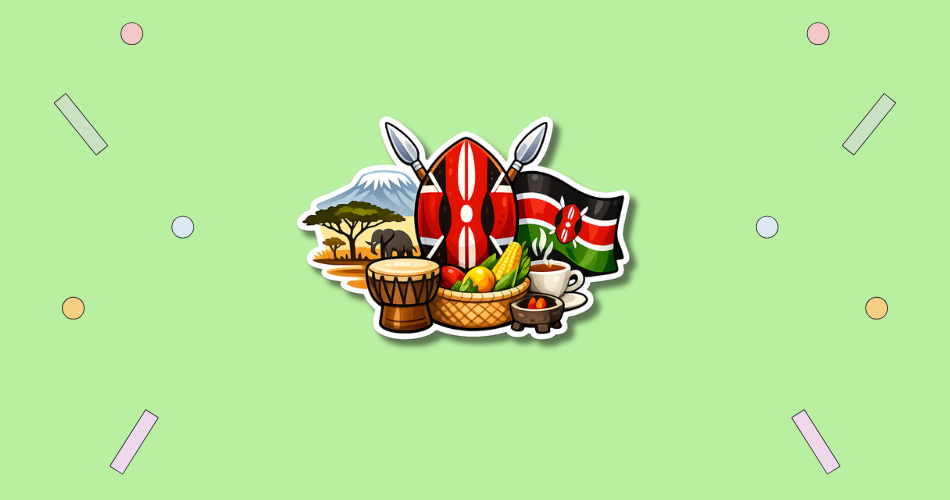
Madaraka Day in Kenya is observed every year on June 1. In 2027, this date falls on a Tuesday. It is a national public holiday that commemorates Kenya’s attainment of internal self-rule in 1963, before full independence later that year. The day is connected with national identity, self-government, civic reflection, and public ceremonies. For many Kenyans, it is both a patriotic holiday and a reminder of the long struggle to take responsibility for the country’s political future. 1 2
Contents
See also: African Liberation Day
HT Meter
Does this day matter to you?
Tap the meter if it does, and say whether you will be celebrating — that is what opens the wishes from everybody else who will be.
This day matters to me
0 Be the first to say so
Just getting started
0 Let others know you’re in.
Wishes, greetings and stories
Join the celebration to share a wish, a greeting, or how this day goes in your house.
These are kept for the people celebrating this day. Say you will be celebrating to read them and to add your own.
You have already shared something here recently.
Nothing here yet. Yours would be the first.
History of Madaraka Day in Kenya
Madaraka Day marks June 1, 1963, when Kenya attained internal self-rule after decades under British colonial control. The word “madaraka” is commonly understood in this context as authority, power, or self-governance, which makes it a fitting name for the holiday. Internal self-rule did not mean full independence, but it was a decisive constitutional and political step. Full independence followed on December 12, 1963, and Kenya later became a republic on December 12, 1964.
Madagascar Independence Day
The holiday is formally recognized as one of Kenya’s national days, and national days are public holidays under the country’s constitutional framework. Today, Madaraka Day is tied to public addresses, patriotic ceremonies, cultural performances, and reflection on the sacrifices made during the independence struggle. Official celebrations often place attention on national development, unity, leadership, and the responsibilities that come with self-government. The day also sits alongside Mashujaa Day and Jamhuri Day as one of Kenya’s central civic holidays.
Why is Madaraka Day in Kenya important?
Madaraka Day is important because it remembers the moment when Kenya gained the right to manage its internal affairs. That step gave Kenyan leaders and citizens a stronger role in shaping government, policy, and national priorities. It also honors the political organizing, sacrifice, resistance, and public pressure that helped move the country toward independence. The holiday keeps that turning point visible in the national calendar.
The day also carries a broader civic meaning. Self-rule is not only a historical milestone; it points to responsibility, participation, and accountability in public life. Madaraka Day invites reflection on how independence-era hopes connect with present-day questions about governance, opportunity, national unity, and development. It gives schools, families, leaders, and communities a shared date for discussing what self-government means in everyday life.
- It marks Kenya’s move toward self-government.
- It honors the struggle for national freedom.
- It helps preserve public memory of 1963.
- It connects patriotism with civic responsibility.
- It highlights Kenya’s modern national identity.
How to Celebrate Madaraka Day in Kenya
Make it yours
How would you like to spend Madaraka Day in Kenya?
Tick what fits you, and we will put together ideas made for this day — not for any day.
Tanzania Independence Day
Attend or watch official Madaraka Day events, especially the national ceremony and presidential address. Many people also use the day to learn more about Kenya’s independence history, read speeches from the early years of self-rule, or discuss the meaning of the holiday with younger family members. Schools, community groups, and cultural organizations may mark the date with music, dance, flag ceremonies, or educational programs. Since it is a public holiday, it is also a day when many people spend time with family or take part in local gatherings.
A thoughtful celebration can focus on both pride and responsibility. Listen to Kenyan music, revisit stories of independence-era leaders and citizens, or learn about the communities that contributed to the country’s political change. The holiday can also be used to reflect on service, leadership, and the ways ordinary people contribute to national life. Keeping the tone respectful helps the day remain connected to the sacrifices and hopes behind self-rule.
- Watch the national Madaraka Day address.
- Learn about Kenya’s independence timeline.
- Display the Kenyan flag respectfully.
- Talk with children about self-rule.
- Support a local civic or community activity.
Madaraka Day in Kenya Dates
| Year | Date | Day of the week |
|---|---|---|
| 2026 | June 1 | Monday |
| 2027 next | June 1 | Tuesday |
| 2028 | June 1 | Thursday |
| 2029 | June 1 | Friday |
| 2030 | June 1 | Saturday |