



National Olive Day
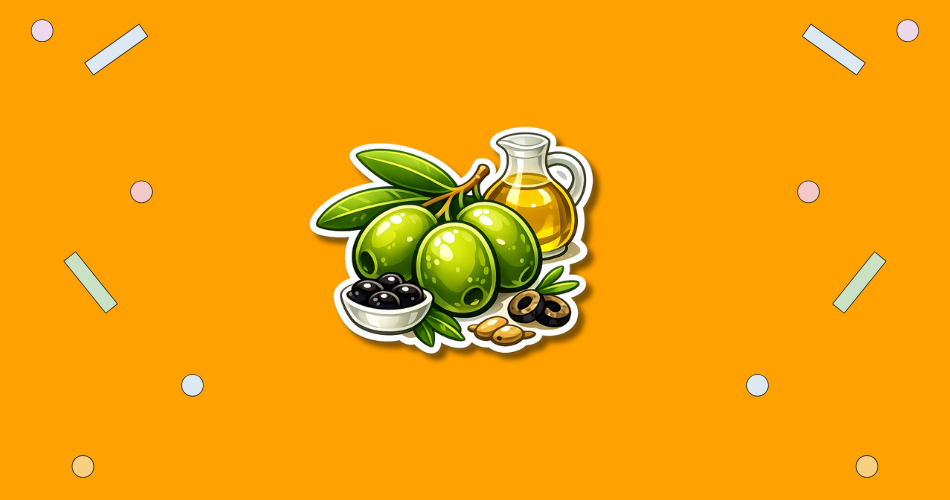
National Olive Day is observed every year on June 1. In 2027, this date falls on a Tuesday. The day spotlights olives as a flavorful fruit used in snacks, spreads, salads, breads, appetizers, sauces, cocktails, and Mediterranean-style meals. National Olive Day has a cheerful food-holiday tone, with much of its appeal coming from tasting different varieties and learning how olives move from tree to table. It also gives home cooks and casual snackers a reason to notice how much variety exists beyond the familiar green and black olives found in many kitchens.
Contents
HT Meter
Does this day matter to you?
Tap the meter if it does, and say whether you will be celebrating — that is what opens the wishes from everybody else who will be.
This day matters to me
0 Be the first to say so
Just getting started
0 Let others know you’re in.
Wishes, greetings and stories
Join the celebration to share a wish, a greeting, or how this day goes in your house.
These are kept for the people celebrating this day. Say you will be celebrating to read them and to add your own.
You have already shared something here recently.
Nothing here yet. Yours would be the first.
See also: World Olive Tree Day, Extra Virgin Olive Oil Day
History of National Olive Day
National Olive Day was developed in 2015 through a partnership between Divina and National Day Calendar, with the first annual celebration promoted for June 1, 2016. The date is fixed on June 1 each year. The holiday was connected with the arrival of the season’s new Kalamata olive crop and with a broader interest in Mediterranean food, specialty olives, and the culinary traditions surrounding olive growing and curing. Its early promotion focused on olives as one of the oldest and most diverse foods, with hundreds of varieties shaped by region, curing method, ripeness, and preparation.
Extra Virgin Olive Oil Day
Olives themselves have a much deeper background than the modern food holiday. They are closely associated with Mediterranean agriculture and cuisine, where olive trees, cured olives, and olive oil have long held practical and cultural value. Today, National Olive Day is mainly understood as a light food observance rather than a formal public holiday. It centers on tasting olives, pairing them with other foods, trying recipes, and appreciating the range of flavors, textures, colors, and uses that make olives a staple in many kitchens and restaurants.
Why is National Olive Day important?
National Olive Day matters because it draws attention to a food that is small but remarkably versatile. Olives can be eaten on their own, added to cheese boards, chopped into tapenade, baked into bread, mixed into salads, used as pizza toppings, or served with roasted vegetables and grains. A single olive variety can taste buttery, briny, fruity, smoky, peppery, mild, or sharply bitter depending on how it is grown, harvested, cured, and seasoned. The day gives people a simple reason to try something new and compare flavors that are easy to overlook.
The holiday also connects everyday eating with agricultural skill and regional food traditions. Olive production depends on growers, harvest timing, curing methods, storage, and careful handling, so the fruit carries more history than its size suggests. Many people first know olives as a garnish or snack, but they also belong to larger food traditions built around shared plates, preserves, oils, herbs, breads, and seasonal ingredients. National Olive Day helps make those connections visible in an approachable way.
- It introduces people to more olive varieties.
- It supports curiosity about Mediterranean-style foods.
- It makes simple appetizers feel more thoughtful.
- It highlights the work behind cured foods.
- It adds variety to everyday cooking.
How to Celebrate National Olive Day
Make it yours
How would you like to spend National Olive Day?
Tick what fits you, and we will put together ideas made for this day — not for any day.

World Olive Tree Day
Buy two or three kinds of olives and taste them side by side. Try a familiar option, such as Kalamata or green stuffed olives, next to something less familiar, such as Castelvetrano, Niçoise, or a marinated mixed variety. Serve them with bread, cheese, roasted peppers, hummus, nuts, or fresh vegetables so the flavors have something to balance them. A small tasting plate is enough to show how different olives can be in saltiness, texture, color, and finish.
Use the day to cook with olives instead of only serving them from a jar. Chop them into a quick tapenade, scatter them over a salad, fold them into pasta, add them to a grain bowl, or bake them into focaccia. For a social meal, build a simple appetizer board with olives at the center and let guests compare which types they prefer. The best celebrations are practical, relaxed, and focused on flavor rather than complicated preparation.
- Make a small olive tasting board.
- Add chopped olives to pasta or salad.
- Try a new stuffed olive variety.
- Mix olives with herbs and citrus zest.
- Prepare tapenade for bread or crackers.
National Olive Day Dates
| Year | Date | Day of the week |
|---|---|---|
| 2026 | June 1 | Monday |
| 2027 next | June 1 | Tuesday |
| 2028 | June 1 | Thursday |
| 2029 | June 1 | Friday |
| 2030 | June 1 | Saturday |


Cook it
Make something for National Olive Day
Tell us what you feel like making and what you have to work with, and we will write one recipe for it.