
Insect Repellent Awareness Day
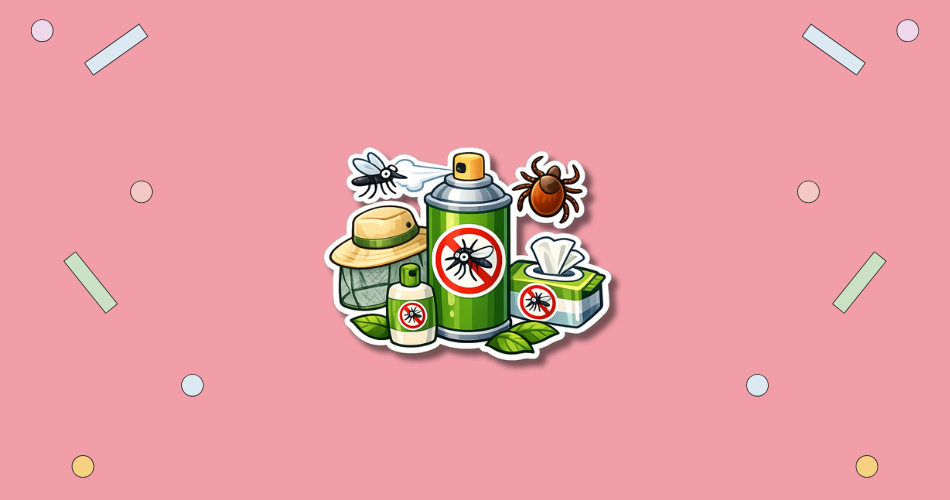
Insect Repellent Awareness Day is observed every year on June 3. In 2027, this date falls on a Thursday. The day raises awareness about using insect repellents correctly to help prevent bites from mosquitoes, ticks, and other biting insects. It is especially relevant as warm weather, outdoor activity, and travel can increase exposure to insects that may carry disease. The observance is practical rather than festive, focusing on preparation, label reading, and simple habits that protect people at home, in parks, on trails, and while traveling. 1 2 3 4
Contents
See also: World Mosquito Day, International Red Shoe Day
HT Meter
Does this day matter to you?
Say that it does, and say whether you will be marking it. Both are anonymous to nobody but kind to everybody.
This day matters to me
0 Be the first to say so
Quietly remembered
0 Nobody has said so yet
Notes of remembrance
Join those marking this day to share a word, a memory, or the reason it matters to you.
These notes are kept for the people marking this day. Say you will be marking it to read them and to leave your own.
You have already shared a note here recently.
No notes yet. Yours would be the first.
History of Insect Repellent Awareness Day
Insect Repellent Awareness Day was launched in 2014 by scientists connected with the London School of Hygiene & Tropical Medicine. The first campaign was tied to public education about repellents, bite prevention, and common misunderstandings about how to avoid mosquitoes and other biting insects. Its early message focused strongly on travel health, since people visiting areas with insect-borne diseases may face risks they do not usually consider at home. The campaign also emphasized that repellents should be used as directed and reapplied when needed.
World Mosquito Day
The broader background of the day is the long public health effort to reduce illnesses spread by insects and ticks. Mosquitoes can spread diseases such as malaria, dengue, West Nile virus, and Zika, while ticks can spread Lyme disease and other infections. Repellent is not the only protective step, but it is one of the most accessible tools for many people. Today, the day is mainly understood as a reminder to choose effective products, use them safely, and pair them with protective clothing and basic mosquito and tick prevention.
Why is Insect Repellent Awareness Day important?
Insect Repellent Awareness Day is important because insect bites are not always just an itchy nuisance. In many places, mosquitoes and ticks can carry germs that cause serious illness, and risk can change by season, region, weather, and travel plans. A simple label check can make a real difference, especially when choosing repellents with active ingredients that have been evaluated for safety and effectiveness. The day also helps people remember that repellents work best when they are applied correctly, reapplied according to the label, and used alongside other precautions.
The observance also matters because misinformation about bite prevention is common. Diet changes, homemade mixtures, and untested “natural” remedies may sound appealing, but they are not reliable substitutes in areas where insect-borne disease is a concern. Practical awareness helps families prepare before camping trips, vacations, gardening, youth sports, and evenings outside. It also supports a more careful approach to protecting children, pregnant people, travelers, outdoor workers, and anyone spending time in mosquito or tick habitat.
- It promotes safer outdoor routines.
- It helps people choose proven repellents.
- It reduces preventable insect bites.
- It supports better travel preparation.
- It encourages careful label use.
How to Observe Insect Repellent Awareness Day
Make it yours
How would you like to spend Insect Repellent Awareness Day?
Tick what fits you, and we will put together ideas made for this day — not for any day.
National Bed Bug Prevention Day
Check the repellent already stored at home and make sure the label is readable, the container is in good condition, and the product fits the activity planned. Look for an appropriate active ingredient, such as DEET, picaridin, IR3535, oil of lemon eucalyptus, PMD, or 2-undecanone, and follow the directions for application and reapplication. For children, adults should apply repellent carefully and avoid the hands, eyes, mouth, cuts, and irritated skin. Sunscreen should be applied first when both sunscreen and repellent are being used.
Use the day to prepare for the season ahead rather than waiting until the first uncomfortable swarm of mosquitoes. Repair window screens, empty standing water from buckets or saucers, pack repellent with camping or travel gear, and choose long sleeves or pants for areas where bites are likely. Travelers should think about insect protection before departure, especially when visiting regions where mosquito-borne diseases are known risks. A small amount of planning can make outdoor time safer and more comfortable without turning prevention into a complicated routine.
- Read the repellent label before use.
- Refill a travel or hiking kit.
- Empty standing water near the home.
- Wear long sleeves in buggy areas.
- Teach children not to spray themselves.
Insect Repellent Awareness Day Dates
| Year | Date | Day of the week |
|---|---|---|
| 2026 | June 3 | Wednesday |
| 2027 next | June 3 | Thursday |
| 2028 | June 3 | Saturday |
| 2029 | June 3 | Sunday |
| 2030 | June 3 | Monday |