


National Koi Day
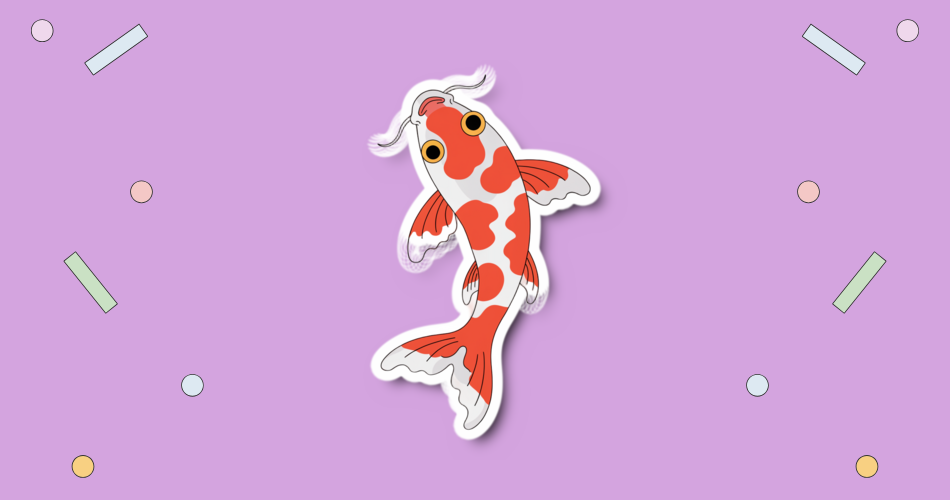
National Koi Day is celebrated on July 7 each year. In 2027, this date falls on a Wednesday. It is a moment to appreciate the color, patterning, and cultural resonance of Japanese koi, whether you keep a pond, study aquatic life, or enjoy garden design. The day invites curious minds to learn about koi origins, their symbolic meanings, and practical care so these ornamental carp thrive in garden ponds around the world.
Contents
HT Meter
Does this day matter to you?
Tap the meter if it does, and say whether you will be celebrating — that is what opens the wishes from everybody else who will be.
This day matters to me
0 Be the first to say so
Just getting started
0 Let others know you’re in.
Wishes, greetings and stories
Join the celebration to share a wish, a greeting, or how this day goes in your house.
These are kept for the people celebrating this day. Say you will be celebrating to read them and to add your own.
You have already shared something here recently.
Nothing here yet. Yours would be the first.
History of National Koi Day
Koi, more precisely called nishikigoi, are ornamental varieties of Amur carp whose development as show fish began in Niigata Prefecture, Japan, during the early 19th century. Rice-farming communities noticed unusual color mutations in carp kept in paddies and, through selective breeding over generations, produced the richly patterned fish collectors prize today. These cultivated varieties include many color and scale combinations; gosanke is one of the most recognised groups.
The observance called National Koi Day is a modern creation tied to enthusiasts and the koi-keeping community. The choice of July 7 is linked in several accounts to Hanako, a famous koi whose extraordinary lifespan ended on that date in 1977. Some sources credit Koi Market Aquatic Gardens, a U.S. koi retailer and breeder, with establishing the day to raise awareness, while other accounts describe an informal adoption by hobbyists and clubs over recent decades.
Why is National Koi Day important?
National Koi Day highlights the aesthetic and cultural value of koi and provides a moment to encourage responsible husbandry. Koi can live for decades and require clean, well-filtered water, appropriate space, and regular health checks. Celebrating koi offers an opportunity to share best practices for water quality, feeding, and pond design so fish live long, healthy lives.
National Go Fishing Day
The day also reinforces koi’s role as symbols in East Asian culture — luck, perseverance, and success are commonly associated with these carp. For enthusiasts, celebrating National Koi Day connects breeders, hobbyists, artists, and gardeners, creating a community that preserves breeding knowledge and exhibition standards while promoting conservation-friendly practices.
- It promotes responsible pond keeping and water-quality awareness.
- It honors the cultural symbolism of koi in Japanese and Chinese traditions.
- It supports breeder and hobbyist communities that preserve varieties and standards.
- It encourages education about koi health, diet, and habitat needs.
- It raises public appreciation for ornamental aquaculture and pond ecosystems.
How to Celebrate National Koi Day
Make it yours
How would you like to spend National Koi Day?
Tick what fits you, and we will put together ideas made for this day — not for any day.
Use the day to enjoy koi in ways that are accessible whether you own a pond or simply admire them. Visit a local garden, aquarium, or koi show to see varieties and talk to keepers about care and breeding. Many events and retailers highlight koi care products and demonstrations around the date, so it’s a good time to learn from experienced breeders and pond professionals.
Home-based observances can be simple and meaningful: maintain water quality, inspect filters and pumps, check food and supplements, or introduce a pond plant that improves habitat. Share koi photos and stories on social channels to connect with other enthusiasts and to broaden public respect for these fish and their needs.
- Attend a koi show, open day, or exhibition to view varieties and speak with breeders.
- Arrange a workshop on pond setup, filtration, or koi health at a local pet store or garden centre.
- Update pond maintenance tasks: test water, clean filters, and review feeding routines.
- Support reputable koi brands and suppliers for food and health products.
- Share images and care tips on social media using community tags to raise awareness.
National Koi Day Dates
| Year | Date | Day of the week |
|---|---|---|
| 2026 | July 7 | Tuesday |
| 2027 next | July 7 | Wednesday |
| 2028 | July 7 | Friday |
| 2029 | July 7 | Saturday |
| 2030 | July 7 | Sunday |
Sorry to hear you didn't enjoy this article...
National Catfish Day
Help us make it better!