


Zambia Unity Day
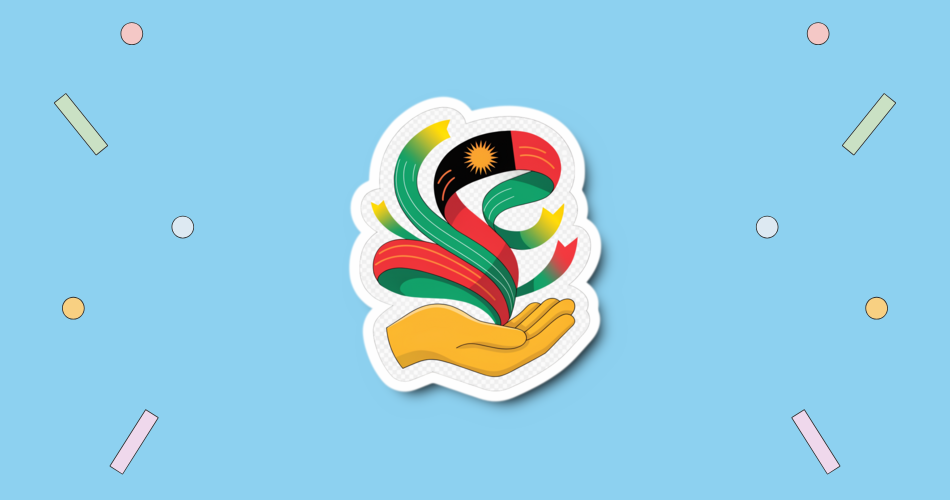
Zambia Unity Day is observed on the Tuesday after the first Monday in July. In 2027, this date falls on July 6. This public holiday arrives each year directly after Heroes' Day and offers Zambians a focused moment to celebrate shared identity and national cohesion in a country made up of many ethnic and linguistic communities.
Contents
HT Meter
Does this day matter to you?
Say that it does, and say whether you will be marking it. Both are anonymous to nobody but kind to everybody.
This day matters to me
0 Be the first to say so
Quietly remembered
0 Nobody has said so yet
Notes of remembrance
Join those marking this day to share a word, a memory, or the reason it matters to you.
These notes are kept for the people marking this day. Say you will be marking it to read them and to leave your own.
You have already shared a note here recently.
No notes yet. Yours would be the first.
History of Zambia Unity Day
The holiday grew out of the challenges and hopes that accompanied independence in 1964. As Zambia moved away from colonial rule, leaders and citizens confronted the reality of a population with more than 70 distinct ethnic groups and scores of local languages. That diversity prompted national efforts to build a single civic identity that could hold the country together across regional and cultural differences.
Kenneth Kaunda, Zambia's first president, established Unity Day as part of a broader push for national solidarity under the motto "One Zambia, One Nation." Over time the day has become linked with Heroes' Day — with official speeches, public gatherings, and symbolic acts that recall the struggle for independence and reinforce a common purpose. Monuments and rituals in Lusaka and elsewhere have provided focal points for those commemorations.
Why is Zambia Unity Day important?
Unity Day serves several practical and symbolic functions in Zambia. It honors the memory of those who worked and sacrificed for independence while reminding the public of the ongoing need for peaceful cooperation among different groups. The day also signals a collective commitment to a national project that values both cultural variety and common citizenship.
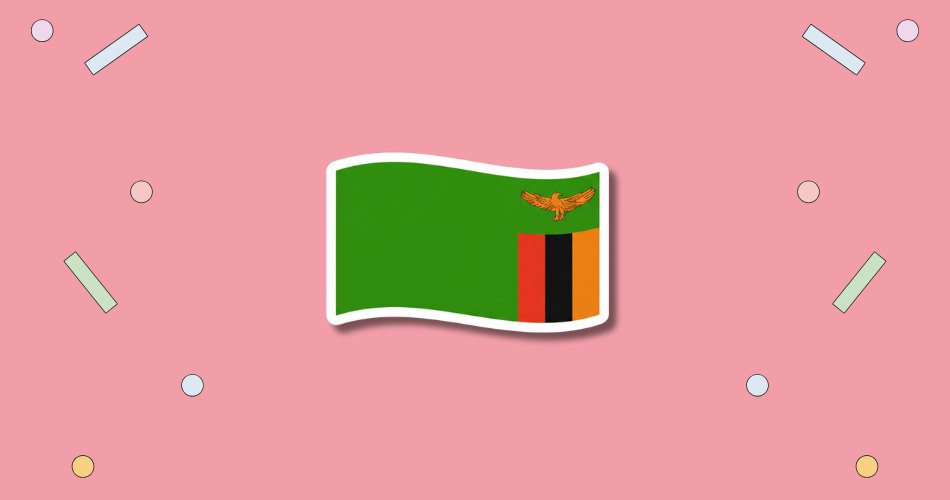
Zambia Independence Day
Beyond memory and symbolism, Unity Day is a platform for civic education and social outreach. Government officials, civil society groups, and community organizations use the occasion to promote dialogue, highlight cross-cultural initiatives, and launch programs that strengthen civic ties across provinces.
- It commemorates the shared struggle for independence and pays tribute to national heroes.
- It reinforces the national motto "One Zambia, One Nation" as a guiding ideal.
- It encourages cultural exchange through music, dance, and public events that bring communities together.
- It provides a moment for reflection on social cohesion and for launching civic and educational initiatives.
- It supports public recognition of Zambia’s diversity while promoting a unified national identity.
How to Observe Zambia Unity Day
Make it yours
How would you like to spend Zambia Unity Day?
Tick what fits you, and we will put together ideas made for this day — not for any day.
Celebrate the day with events that highlight Zambia’s cultural richness and the everyday ties that bind communities. Local festivals, food fairs, and performances of traditional music and dance create informal spaces where neighbors meet, share, and learn from one another. Businesses and community groups often organize showcases that spotlight regional arts, crafts, and cuisine.
Families and friends can mark the holiday with shared meals and visits to cultural centers or museums that display the country’s heritage. Civic-minded celebrations that combine entertainment with education — such as story-sharing sessions, school programs about national history, and community service projects — reinforce the holiday’s purpose while keeping the tone positive and inclusive.
- Host or attend cultural food fairs that feature regional dishes and culinary traditions.
- Enjoy traditional music and dance performances that celebrate different ethnic heritages.
- Take part in community events or civic projects that strengthen local ties.
- Visit museums, monuments, or public exhibitions that explore Zambia’s path to independence.
- Support local artisans and vendors at markets or pop-up stalls during Unity Day gatherings.
Zambia Unity Day Dates
| Year | Date | Day of the week |
|---|---|---|
| 2026 | July 7 | Tuesday |
| 2027 next | July 6 | Tuesday |
| 2028 | July 4 | Tuesday |
| 2029 | July 3 | Tuesday |
| 2030 | July 2 | Tuesday |
Sorry to hear you didn't enjoy this article...
Union Day in Tanzania
Help us make it better!