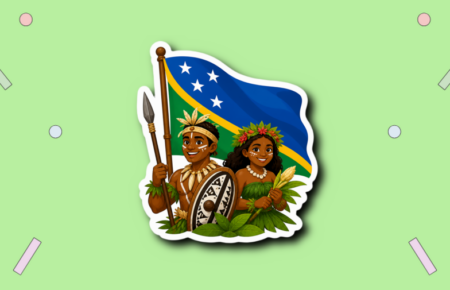



Solomon Islands Independence Day
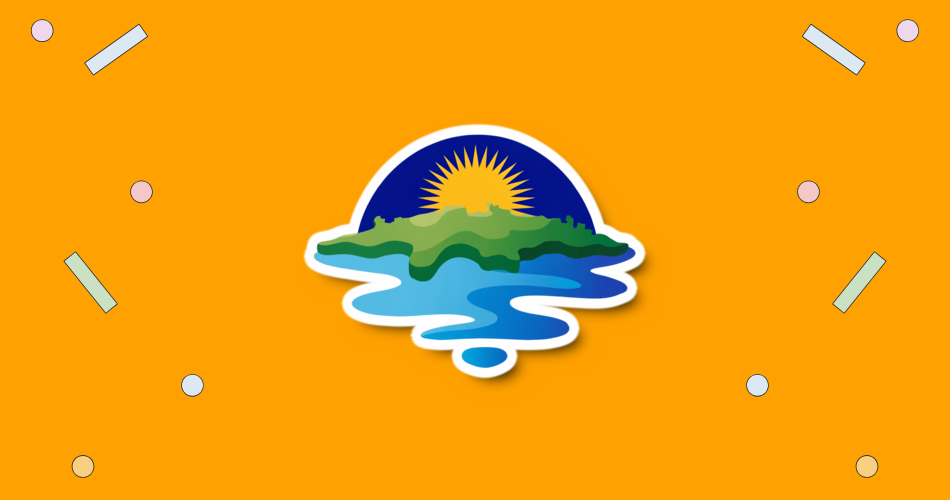
Solomon Islands Independence Day is celebrated on 7 July each year. In 2027, this date falls on a Wednesday. The national holiday marks the anniversary of the islands’ formal transfer to sovereign status in 1978 and is observed across the archipelago with public ceremonies, community gatherings and cultural displays.
Contents
HT Meter
Does this day matter to you?
Tap the meter if it does, and say whether you will be celebrating — that is what opens the wishes from everybody else who will be.
This day matters to me
0 Be the first to say so
Just getting started
0 Let others know you’re in.
Wishes, greetings and stories
Join the celebration to share a wish, a greeting, or how this day goes in your house.
These are kept for the people celebrating this day. Say you will be celebrating to read them and to add your own.
You have already shared something here recently.
Nothing here yet. Yours would be the first.
History of Solomon Islands Independence Day
British control over much of the Solomon Islands archipelago began in the late 19th century, with the southern islands declared a protectorate in 1893. Over the following decades the territory was administered as the British Solomon Islands Protectorate; the move to local control accelerated in the 1970s as the region prepared for full political autonomy.
Full internal self-government was achieved in 1976 and a constitutional conference in London the following year set the path to independence. Under the Solomon Islands Act 1978 the country became formally independent on 7 July 1978. Peter Kenilorea became the first prime minister and the new nation retained the British monarch as head of state, becoming a constitutional monarchy and a member of the Commonwealth.
Why is Solomon Islands Independence Day important?
Independence Day is the primary national celebration and a public holiday that affirms the country’s sovereign status and democratic institutions. It provides an annual opportunity to recognise the leaders and negotiators who oversaw the transition to independence and to reflect on the political milestones that established the nation’s modern constitution.
Samoa Independence Day
The day also highlights the Solomon Islands’ cultural diversity. With dozens of distinct languages and traditions across nearly a thousand islands, Independence Day is a moment for communities to present traditional dance, music, dress and handicrafts to larger audiences. Celebrations are concentrated in Honiara but take place nationwide and among Solomon Islanders abroad.
- It marks the end of British colonial governance and the establishment of sovereign rule in 1978.
- It honours political leaders who guided the independence process and the founding institutions of government.
- It provides a public, shared space for expressing and preserving the islands’ many cultural traditions.
- It strengthens national identity by bringing together provincial and community-level celebrations.
- It is a day off for the general population, allowing schools and businesses to take part in festivities.
How to Celebrate Solomon Islands Independence Day
Make it yours
How would you like to spend Solomon Islands Independence Day?
Tick what fits you, and we will put together ideas made for this day — not for any day.
Celebrate with flag-raising ceremonies, parades and cultural festivals that showcase local music, dance and costume. The capital, Honiara, typically hosts the largest official events, but community gatherings across the islands present traditional performances, handicrafts and food that highlight regional identities.
Families and neighbourhoods often mark the holiday with meals and informal gatherings that feature local produce and recipes. Diaspora communities also organise events abroad to observe the day, creating opportunities for cultural exchange and for younger generations to learn about their heritage.
- Attend or watch a flag-raising ceremony and the official speeches that accompany it.
- Join or watch parades that feature school groups, traditional dance troupes and community organisations.
- Sample traditional foods and share community feasts that bring families and neighbours together.
- Visit cultural exhibitions or markets selling local crafts, carvings and woven items.
- Participate in diaspora events or local community gatherings to connect with heritage and friends.
Solomon Islands Independence Day Dates
| Year | Date | Day of the week |
|---|---|---|
| 2026 | July 7 | Tuesday |
| 2027 next | July 7 | Wednesday |
| 2028 | July 7 | Friday |
| 2029 | July 7 | Saturday |
| 2030 | July 7 | Sunday |
Sorry to hear you didn't enjoy this article...
Seychelles Independence Day
Help us make it better!