

National Rainforest Day
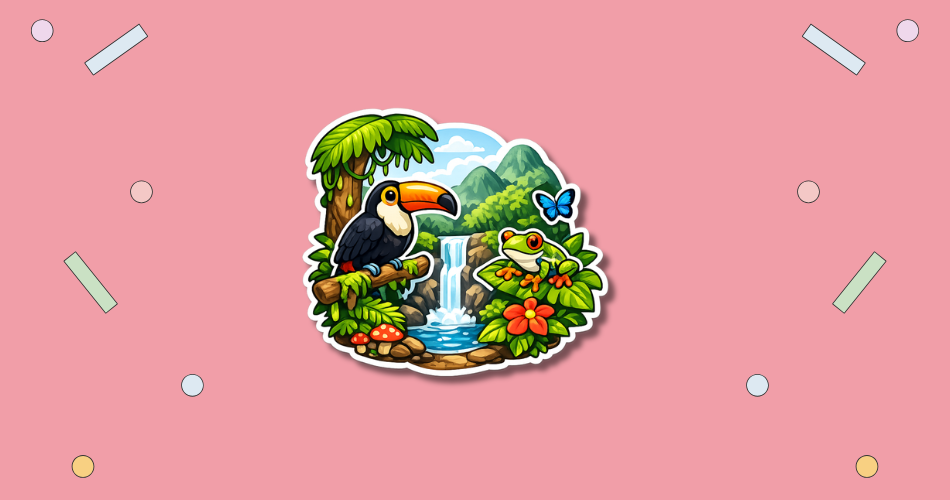
National Rainforest Day is observed every year on June 22. In 2027, this date falls on a Tuesday. The day raises awareness of rainforests, the communities that depend on them, and the urgent need to protect these ecosystems from deforestation and degradation. It is an educational awareness day rather than a formal public holiday, so its strongest focus is learning, advocacy, and practical environmental choices. The date is closely connected with the wider rainforest awareness movement that highlights healthy, standing forests as essential to climate, biodiversity, water cycles, and cultural heritage. 1
Contents
See also: World Rainforest Day, International Day of Forests
HT Meter
Does this day matter to you?
Say that it does, and say whether you will be marking it. Both are anonymous to nobody but kind to everybody.
This day matters to me
0 Be the first to say so
Quietly remembered
0 Nobody has said so yet
Notes of remembrance
Join those marking this day to share a word, a memory, or the reason it matters to you.
These notes are kept for the people marking this day. Say you will be marking it to read them and to leave your own.
You have already shared a note here recently.
No notes yet. Yours would be the first.
History of National Rainforest Day
The better-documented June 22 rainforest awareness movement began in 2017, when Rainforest Partnership launched a global day focused specifically on protecting rainforests. The observance was created as a shared platform for rainforest education, conservation action, and public participation. While the “National Rainforest Day” wording is used in some public calendars and educational materials, the most established June 22 observance is tied to the broader World Rainforest Day movement. Because of that, it is safest to understand National Rainforest Day as a rainforest awareness date centered on the same conservation concerns.

World Rainforest Day
Rainforests themselves have shaped life on Earth far longer than any modern observance. Tropical rainforests grow across parts of South and Central America, West and Central Africa, Southeast Asia, Indonesia, and Australia, while temperate rainforests exist in cooler, wetter regions. These forests support extraordinary plant and animal diversity and influence rainfall, carbon storage, and local livelihoods. Today, the day is mainly used to focus attention on keeping rainforests standing and reducing the pressures that damage them.
Why is National Rainforest Day important?
National Rainforest Day matters because rainforests are living systems that affect much more than the regions where they grow. They store carbon, help regulate climate patterns, shelter countless species, and support people through food, medicine, water, materials, and cultural knowledge. When forests are cleared for logging, mining, ranching, plantations, or poorly managed development, the damage reaches wildlife, nearby communities, and the global climate. A single awareness day cannot solve these problems, but it can keep the issue visible and easier to discuss.
The day also helps people connect everyday decisions with faraway ecosystems. Products such as paper, coffee, cocoa, beef, soy, palm oil, and some textiles can be linked to forest loss when supply chains are not responsibly managed. Learning about those connections can make conservation feel less abstract and more practical. The day gives schools, families, businesses, and community groups a clear reason to talk about rainforest protection in specific, usable terms.
- Rainforests shelter a vast share of Earth’s wildlife.
- Healthy forests help store carbon and stabilize climate.
- Forest communities hold deep ecological knowledge.
- Deforestation affects water, soil, wildlife, and people.
- Better choices can reduce pressure on rainforest land.
How to Observe National Rainforest Day
Make it yours
How would you like to spend National Rainforest Day?
Tick what fits you, and we will put together ideas made for this day — not for any day.
International Day of Forests
Read about a rainforest region, watch a conservation talk, or look up a map showing where tropical and temperate rainforests are found. Use the day to check the products you buy often, especially coffee, chocolate, paper goods, palm oil products, and wood-based items. Look for credible sustainability certifications, choose reused or recycled goods when possible, and reduce waste where it makes sense. Small actions are more useful when they become habits rather than one-day gestures.
Schools and community groups can use the date for lessons on biodiversity, forest layers, Indigenous stewardship, and the causes of deforestation. Families can choose a documentary, visit a botanical garden or nature center, or support a nonprofit working directly with rainforest communities. Businesses can review sourcing policies and share clear, specific information instead of vague green claims. Social media posts are most helpful when they point to a real action, a reliable learning resource, or a conservation group doing field-based work.
- Learn where the world’s major rainforests are located.
- Choose certified coffee, tea, cocoa, or paper products.
- Reduce food and packaging waste for the week.
- Support a rainforest conservation organization.
- Share one practical rainforest fact with others.
National Rainforest Day Dates
| Year | Date | Day of the week |
|---|---|---|
| 2026 | June 22 | Monday |
| 2027 next | June 22 | Tuesday |
| 2028 | June 22 | Thursday |
| 2029 | June 22 | Friday |
| 2030 | June 22 | Saturday |