


Windrush Day
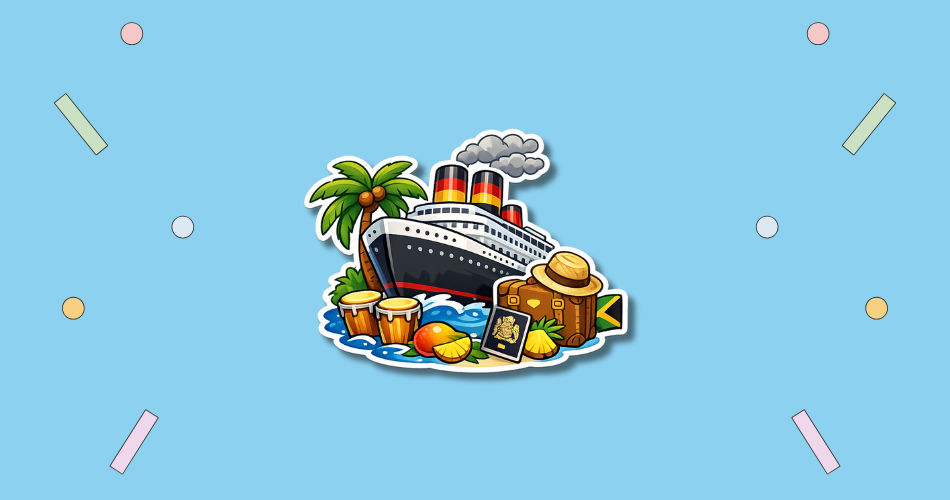
Windrush Day is observed every year on June 22. In 2027, this date falls on a Tuesday. It is a United Kingdom observance honoring the Windrush generation and their descendants. The day is connected with the arrival of Caribbean passengers on HMT Empire Windrush in 1948 and the wider history of postwar migration to Britain. It is marked through community events, storytelling, exhibitions, lectures, music, food, and education about Caribbean British history. 1 2 3 4
Contents
See also: Jenkins Ear Day, James Ronald Webster Day, Saint Vincent and the Grenadines Independence Day
HT Meter
Does this day matter to you?
Say that it does, and say whether you will be marking it. Both are anonymous to nobody but kind to everybody.
This day matters to me
0 Be the first to say so
Quietly remembered
0 Nobody has said so yet
Notes of remembrance
Join those marking this day to share a word, a memory, or the reason it matters to you.
These notes are kept for the people marking this day. Say you will be marking it to read them and to leave your own.
You have already shared a note here recently.
No notes yet. Yours would be the first.
History of Windrush Day
Windrush Day is tied to June 22, 1948, when passengers from the Caribbean disembarked after the arrival of HMT Empire Windrush at Tilbury Docks in Essex. The ship has become a powerful symbol of the wider movement of people from the Caribbean and other Commonwealth countries to the United Kingdom after the Second World War. Many of those who came were British subjects at the time and had the right to live and work in the UK. They helped fill labor shortages and contributed to public transport, factories, hospitals, service industries, churches, cultural life, and family communities across Britain.

National Ride The Wind Day
A national Windrush Day was announced in 2018, the 70th anniversary year of the Empire Windrush arrival. The observance was created to recognize the Windrush generation and their descendants, while also supporting commemorative and educational events. Today, Windrush Day is not only about one ship or one date. It is a way to recognize Caribbean British history, honor elders, preserve family stories, and reflect on the promises and failures that shaped the lives of many people who made Britain their home.
Why is Windrush Day important?
Windrush Day gives public recognition to people whose work and community life helped shape modern Britain. The Windrush generation contributed to essential services, especially during the postwar period when the country needed workers in transport, health care, manufacturing, and local services. Their influence also changed British culture through music, food, language, faith communities, sport, activism, literature, and family life. Naming that contribution helps keep it from being treated as background history.
The day also matters because the Windrush story includes hardship, racism, and the later Windrush scandal, in which long-standing residents were wrongly treated as if they had no right to be in the UK. Windrush Day can hold both truths at once: the pride of community achievement and the need for justice, documentation, and respect. It encourages schools, museums, councils, families, and local groups to teach the story with care. It also gives younger generations a clearer connection to the people who crossed oceans, built lives, and changed Britain.
- It honors Caribbean elders and their families.
- It preserves migration stories that might otherwise be lost.
- It connects local history with national history.
- It recognizes culture, work, resilience, and public service.
- It supports honest conversations about belonging and justice.
How to Observe Windrush Day
Make it yours
How would you like to spend Windrush Day?
Tick what fits you, and we will put together ideas made for this day — not for any day.

Virgin Islands Day
Attend a local Windrush event, museum program, community talk, church gathering, or cultural performance. Many events include oral histories, photographs, music, food, family research, film screenings, and conversations with elders. Reading personal accounts can give the day more depth than a simple anniversary notice. Families can also use the date to record memories, label old photographs, or ask relatives about journeys, jobs, neighborhoods, and first impressions of life in Britain.
Schools and community groups can mark the day through lessons on postwar migration, Caribbean culture, citizenship, and the Windrush scandal. A thoughtful observance should avoid reducing the story to either nostalgia or injustice alone. Windrush Day is strongest when it honors personal lives as well as public history. Supporting archives, libraries, museums, and community heritage projects helps keep those stories available for future generations.
- Listen to an oral history from the Windrush generation.
- Visit a local exhibition or heritage event.
- Share a family story with younger relatives.
- Learn about Caribbean contributions to British public life.
- Support a community archive or cultural project.
Windrush Day Dates
| Year | Date | Day of the week |
|---|---|---|
| 2026 | June 22 | Monday |
| 2027 next | June 22 | Tuesday |
| 2028 | June 22 | Thursday |
| 2029 | June 22 | Friday |
| 2030 | June 22 | Saturday |


- https://www.gov.uk/government/news/annual-day-of-celebrations-for-the-windrush-generation[↩]
- https://www.gov.uk/government/publications/windrush-day-grant-scheme-2026/windrush-day-grant-scheme-2026-guidance-for-applicants[↩]
- https://www.rmg.co.uk/whats-on/national-maritime-museum/windrush-day[↩]
- https://commonslibrary.parliament.uk/research-briefings/cdp-2025-0125/[↩]