


Obon Festival
Obon Festival is a significant annual ritual in Japan that honors and remembers ancestors, typically observed from August 13–16. In 2027, it runs from August 13 to August 16. Many communities also hold observances in July or follow the lunar calendar in Okinawa, making it a deeply rooted cultural tradition across the country.
Contents
HT Meter
Does this day matter to you?
Tap the meter if it does, and say whether you will be celebrating — that is what opens the wishes from everybody else who will be.
This day matters to me
0 Be the first to say so
Just getting started
0 Let others know you’re in.
Wishes, greetings and stories
Join the celebration to share a wish, a greeting, or how this day goes in your house.
These are kept for the people celebrating this day. Say you will be celebrating to read them and to add your own.
You have already shared something here recently.
Nothing here yet. Yours would be the first.
History of Obon Festival
Obon evolved from the Buddhist Ullambana Sutra, which tells the story of a disciple who used offerings to free his mother's spirit from suffering. Over centuries, this practice developed into a summer festival where families welcome the spirits of their deceased relatives back to the earthly realm. The tradition spread across Japan, blending with local customs and becoming a cherished annual event that balances solemnity with joy.
During the Meiji era, Japan adopted the solar calendar, but different regions kept different dates for Obon. Most of the country now observes it in mid-August, while Tokyo and parts of northern Japan celebrate in mid-July, and Okinawa follows the lunar calendar. This regional variation reflects the festival's deep historical roots and its adaptation to local practices over time.
Why is Obon Festival important?
Obon is a time for families to come together and strengthen their bonds with both the living and the departed. It provides a structured occasion to honor ancestors, express gratitude, and reflect on the cycle of life. The festival also reinforces community ties, as neighborhoods gather for shared dances, meals, and rituals.
- It preserves Japanese Buddhist traditions and cultural heritage across generations.
- It offers a chance for families to clean graves, make offerings, and maintain ancestral altars.
- The communal bon odori dances foster a sense of belonging and shared joy.
- Toro nagashi, the floating of lanterns, provides a peaceful way to guide spirits back and contemplate loss.
- Obon serves as one of Japan's three major travel periods, bringing together dispersed family members.
How to Celebrate Obon Festival
Make it yours
How would you like to spend Obon Festival?
Tick what fits you, and we will put together ideas made for this day — not for any day.

Spirit Festival
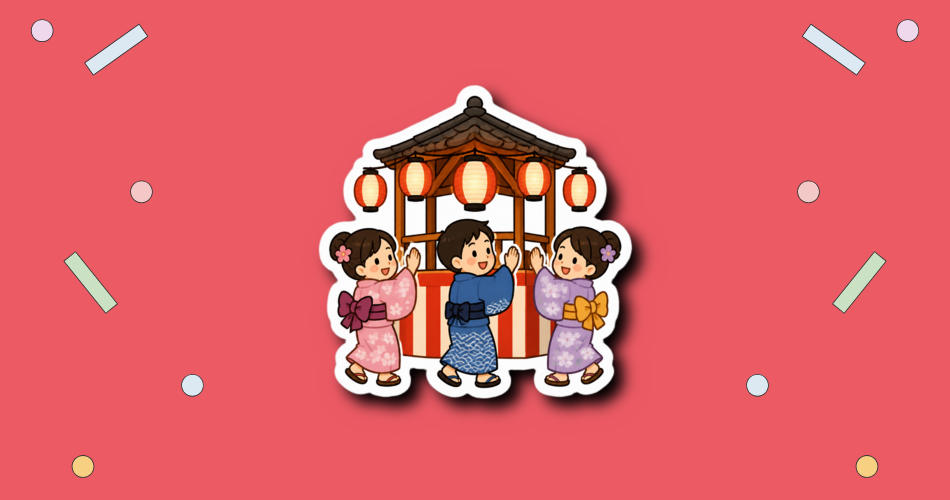
Celebrating Obon involves a mix of quiet reflection and lively community activities. Many families begin by cleaning their ancestors' graves and setting up altars with food, flowers, and incense. The evenings come alive with bon odori dances, where people of all ages form circles around a central stage and perform simple, repetitive movements to taiko drumming and folk songs.
- Join a local bon odori dance—no experience needed, just follow the crowd.
- Attend a toro nagashi event to watch lanterns float on rivers or seas.
- Wear a yukata (light summer kimono) to fully immerse in the festival atmosphere.
- Visit a temple or shrine during Obon to observe rituals and enjoy food stalls.
- Prepare traditional offerings like fruits, vegetables, and rice dishes at home altars.
Obon Festival Dates
| Year | Date | Day of the week |
|---|---|---|
| 2026 | August 13 – 16 | 4 days |
| 2027 next | August 13 – 16 | 4 days |
| 2028 | August 13 – 16 | 4 days |
| 2029 | August 13 – 16 | 4 days |
| 2030 | August 13 – 16 | 4 days |

Spirit Festival
Sorry to hear you didn't enjoy this article...
Help us make it better!