

Seed Gathering Season
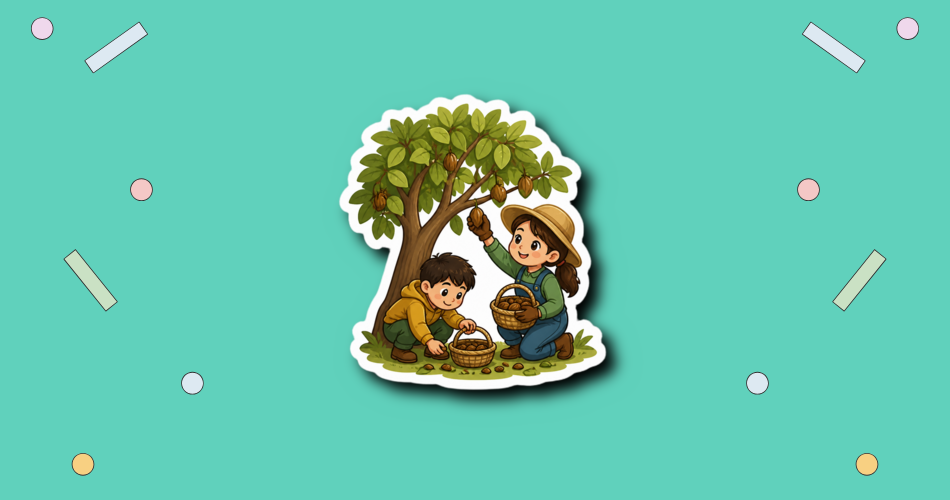
Seed Gathering Season is observed annually on September 23. In 2027, it runs from September 23 to October 23. This month-long campaign, running from September 23 to October 23, encourages people to collect seeds from local trees, flowers, and plants to nurture them into new growth. It is a time for communities to connect with nature, prepare for the next planting season, and contribute to conservation efforts. The season highlights the simple yet vital act of gathering seeds, a practice that sustains ecosystems and food supplies.
Contents
HT Meter
Does this day matter to you?
Tap the meter if it does, and say whether you will be celebrating — that is what opens the wishes from everybody else who will be.
This day matters to me
0 Be the first to say so
Just getting started
0 Let others know you’re in.
Wishes, greetings and stories
Join the celebration to share a wish, a greeting, or how this day goes in your house.
These are kept for the people celebrating this day. Say you will be celebrating to read them and to add your own.
You have already shared something here recently.
Nothing here yet. Yours would be the first.
History of Seed Gathering Season
Seed Gathering Season was launched by the Tree Council in the United Kingdom as a way to promote active conservation and tree planting. The campaign began in the early 2000s, aiming to involve the public in collecting seeds from native trees such as oak, ash, and birch. These seeds are then grown into saplings and planted during the winter tree planting season, which starts at the end of November. The initiative grew from a recognition that many people had lost touch with the natural cycle of seed collection and tree propagation.
Over the years, the season has expanded beyond trees to include seeds from wildflowers, herbs, and garden plants. It has become a nationwide effort that schools, community groups, and families participate in. The timing, late September to late October, aligns with the natural ripening and dispersal of seeds in the northern hemisphere. By collecting seeds at this peak time, participants ensure the highest chance of germination and healthy growth. The campaign has helped plant millions of trees and restore natural habitats across the UK.
Why is Seed Gathering Season important?
Seed gathering is a fundamental step in the cycle of life for plants. Without collecting and storing seeds, many plant species would struggle to regenerate, especially in areas affected by deforestation, urban development, or climate change. This season empowers individuals to take an active role in preserving biodiversity and building resilient landscapes. It also reconnects people with the land and the rhythms of nature, fostering a sense of stewardship for future generations.

National Seed Swap Day
The practice supports local ecosystems by providing genetic diversity. Seeds collected from native plants are adapted to local conditions, making them more likely to thrive. This is crucial for maintaining healthy woodlands, meadows, and gardens. Additionally, seed gathering reduces the need for commercially grown plants, which often require transportation and packaging. By gathering seeds from their own area, people contribute to a more sustainable and self-sufficient approach to gardening and conservation.
- Conserves native plant species and protects genetic diversity.
- Reduces environmental impact by minimizing the need for commercial seed production and transport.
- Encourages community involvement in conservation projects and green spaces.
- Provides free, local seeds for gardens, schools, and restoration efforts.
- Builds awareness of the importance of seeds in food security and ecosystem health.
How to Celebrate Seed Gathering Season
Make it yours
How would you like to spend Seed Gathering Season?
Tick what fits you, and we will put together ideas made for this day — not for any day.
Celebrating Seed Gathering Season is easy and rewarding. Start by taking a walk in a local park, woodland, or even your own backyard. Look for ripe seeds on trees, shrubs, and flowers. Common seeds to collect include acorns, conkers, rose hips, and sunflower seeds. Always ask permission if you are on private land, and only take a small portion of seeds so that wildlife and natural regeneration are not harmed. Bring a paper bag or envelope to store your finds, and label them with the plant species and collection date.
Once you have collected seeds, you can plant them in pots or trays with good soil. Keep them watered and protected from extreme weather. Many seeds need a period of cold stratification to germinate, so you may need to refrigerate them for a few weeks. After they sprout, care for the seedlings until they are strong enough to be planted outdoors. This is a wonderful activity for children, teaching them about plant life cycles and patience. You can also donate extra seeds to local community gardens, tree planting groups, or wildlife charities.
- Organize a seed swap with neighbors or friends to exchange different varieties.
- Join a local tree planting event in late autumn or winter using the saplings you grew.
- Create seed bombs with clay and compost to toss into neglected areas for wildflower growth.
- Teach children about seed anatomy by dissecting a bean or sunflower seed.
- Start a seed journal to track what you collect, where from, and how they grow.
Seed Gathering Season Dates
| Year | Date | Day of the week |
|---|---|---|
| 2026 next | September 23 – October 23 | 31 days |
| 2027 | September 23 – October 23 | 31 days |
| 2028 | September 23 – October 23 | 31 days |
| 2029 | September 23 – October 23 | 31 days |
| 2030 | September 23 – October 23 | 31 days |
Sorry to hear you didn't enjoy this article...
Plant a Flower Day
Help us make it better!