


The September Equinox (Fall Equinox)
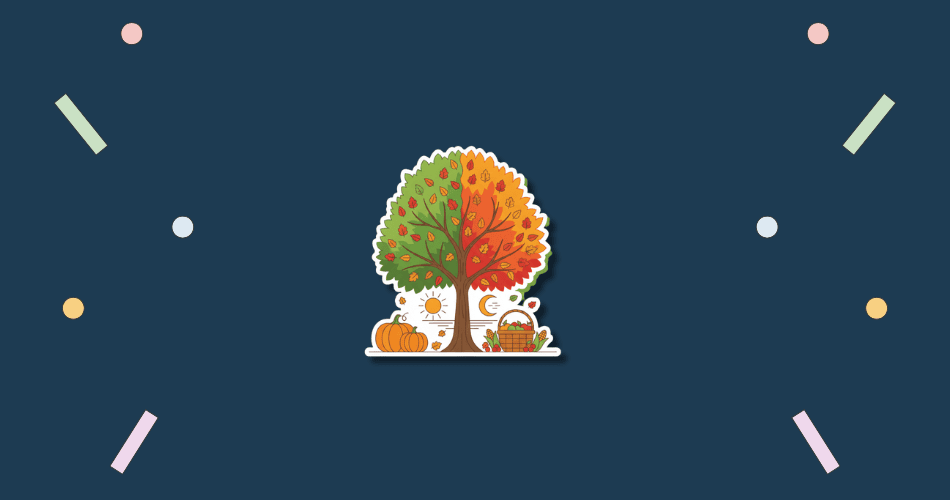
Every year The September Equinox (Fall Equinox) arrives when the Sun crosses the celestial equator—usually on September 22 or 23—marking autumn in the Northern Hemisphere and spring in the Southern Hemisphere. In 2027, this date falls on September 23.
Contents
HT Meter
Does this day matter to you?
Tap the meter if it does, and say whether you will be celebrating — that is what opens the wishes from everybody else who will be.
This day matters to me
1 person agrees
Just getting started
0 Let others know you’re in.
Wishes, greetings and stories
Join the celebration to share a wish, a greeting, or how this day goes in your house.
These are kept for the people celebrating this day. Say you will be celebrating to read them and to add your own.
You have already shared something here recently.
Nothing here yet. Yours would be the first.
History of The September Equinox (Fall Equinox)
The word “equinox” comes from Latin for “equal night,” and the September event is one of two annual moments when the Sun’s apparent path crosses the celestial equator. Astronomers define it as a precise instant in time rather than a day-long event, which is why the date can fall between about September 21 and 24 depending on the year and your time zone.
Cultures have long used the September equinox as a seasonal turning point—calendars, harvest traditions, and skywatching notes all pin to this transition. Modern explainers highlight easy-to-see sky clues: around the equinox the Sun rises due east and sets due west, and at the equator it passes directly overhead at local noon.
Why is The September Equinox (Fall Equinox) important?
On a practical level, the equinox cleanly divides the year’s light: after this moment, days shorten in the Northern Hemisphere and lengthen in the Southern. It’s a tidy, observable hinge of the seasons—perfect for teachers, stargazers, and anyone who likes to mark time with natural milestones rather than just calendar pages.
March Equinox
It’s also a myth-buster that makes the sky feel more approachable. “Equal day and night” is almost true, but not quite—atmospheric refraction and how we define sunrise/sunset make daylight a bit longer; the day when day and night are closest to equal (the “equilux”) usually lands a few days away. Learning that nuance turns a buzzword into real understanding.
- A simple, shared moment that anyone can observe.
- A reminder that seasons flip between hemispheres.
- A chance to watch the Sun rise due east and set due west.
- A nudge to notice small, meaningful changes outdoors.
- A friendly gateway into astronomy for kids and adults.
How to Observe The September Equinox (Fall Equinox)
Make it yours
How would you like to spend The September Equinox (Fall Equinox)?
Tick what fits you, and we will put together ideas made for this day — not for any day.
Keep it easy and hands-on. Step outside at sunrise or sunset and face the horizon; you’ll see the Sun lining up close to due east or due west—snap a photo against a straight street or fence line to make the alignment obvious. At midday, compare the length of your shadow with last month’s and jot down the change; it’s your personal record of the season turning.
Make it a mini sky night. Read a short explainer about why equinoxes happen, then look up your local equinox time and share a toast or a walk at that moment. If you’re near the equator—or watching a livestream—notice that the Sun sits nearly overhead at noon. Keep it low-pressure; the point is to connect the science with something you can see and feel today.
- Catch sunrise or sunset and check the east–west line.
- Start a tiny “season log” with shadow lengths.
- Share one new fact about the equinox with a friend.
- Add next year’s equinox to your calendar so it becomes a ritual.
- Take a slow walk and spot early signs of the new season.
Psychological Reflections of the Fall Equinox
- Balance and harmony – the equal length of day and night reminds us of the importance of finding balance between work and rest, giving and receiving.
- Transition and change – it marks a shift from summer’s activity to autumn’s introspection, encouraging us to embrace life’s cycles of change.
- Inner reflection – shorter days invite us to slow down, look inward, and reconnect with our deeper needs and values.
- Letting go – like trees shedding their leaves, it’s a symbolic time to release old habits, emotions, or thoughts that no longer serve us.
- Renewed focus – as the season changes, many people feel a natural push to reset goals, routines, and intentions.
- Preparation for rest – psychologically, it signals the approach of winter, a reminder to conserve energy and prioritize self-care.
- Gratitude and abundance – traditionally tied to harvest time, it’s a moment to appreciate what we’ve achieved and gathered so far in the year.
The September Equinox (Fall Equinox) Dates Table
| Year | Date | Day of the week |
|---|---|---|
| 2026 | September 22 | Tuesday |
| 2027 next | September 23 | Thursday |
| 2028 | September 22 | Friday |
| 2029 | September 22 | Saturday |
| 2030 | September 22 | Sunday |