
Mabon Day
Mabon Day is celebrated annually on September 21. In 2027, this date falls on a Tuesday. It marks the Autumnal Equinox, a time of balance and gratitude for the harvest as the seasons change from summer to winter.
Contents
HT Meter
Does this day matter to you?
Tap the meter if it does, and say whether you will be celebrating — that is what opens the wishes from everybody else who will be.
This day matters to me
0 Be the first to say so
Just getting started
0 Let others know you’re in.
Wishes, greetings and stories
Join the celebration to share a wish, a greeting, or how this day goes in your house.
These are kept for the people celebrating this day. Say you will be celebrating to read them and to add your own.
You have already shared something here recently.
Nothing here yet. Yours would be the first.
History of Mabon Day
Mabon takes its name from the Welsh god Mabon ap Modron, a figure from the Mabinogion who was stolen from his mother as a baby and later freed through the help of wise animals. The story symbolizes the child of light taken into darkness and eventually released, mirroring the cycle of the sun as it descends into the darker half of the year. While the name Mabon is relatively modern, the Autumnal Equinox has been observed across cultures for centuries. In ancient Britain, this time was essential for gathering the harvest and giving thanks for the earth's abundance. The Druidic tradition calls the equinox Alban Elfed, meaning “The Light of the Water,” reflecting the importance of natural cycles.
In the modern Wheel of the Year, Mabon is the second harvest sabbat, following Lughnasadh. It stands opposite Ostara, the Spring Equinox, and represents a moment of perfect balance between light and darkness. Pagan and Wiccan traditions celebrate this day as a time to honor the turning of the seasons, the agricultural rhythms, and the equilibrium found in nature. The festival has gained popularity in recent decades, blending ancient harvest customs with contemporary spirituality.
Why is Mabon Day important?
Mabon encourages reflection on the balance in our lives. As day and night are equal, the holiday invites us to consider harmony between work and rest, action and reflection. It is a moment to pause and appreciate the abundance of the natural world before the quiet of winter sets in.
- The equinox symbolizes equilibrium, reminding us to seek balance in our own routines and relationships.
- It is a harvest festival, a time to give thanks for food and resources, connecting us to the earth's cycles.
- Mabon fosters gratitude for the year's achievements and the bounty that sustains us through colder months.
- The holiday offers a chance for inner preparation, setting intentions for the introspective season ahead.
- It strengthens community bonds through shared feasts, rituals, and acts of charity that echo traditional harvest sharing.
How to Celebrate Mabon Day
Make it yours
How would you like to spend Mabon Day?
Tick what fits you, and we will put together ideas made for this day — not for any day.
Lammas Day
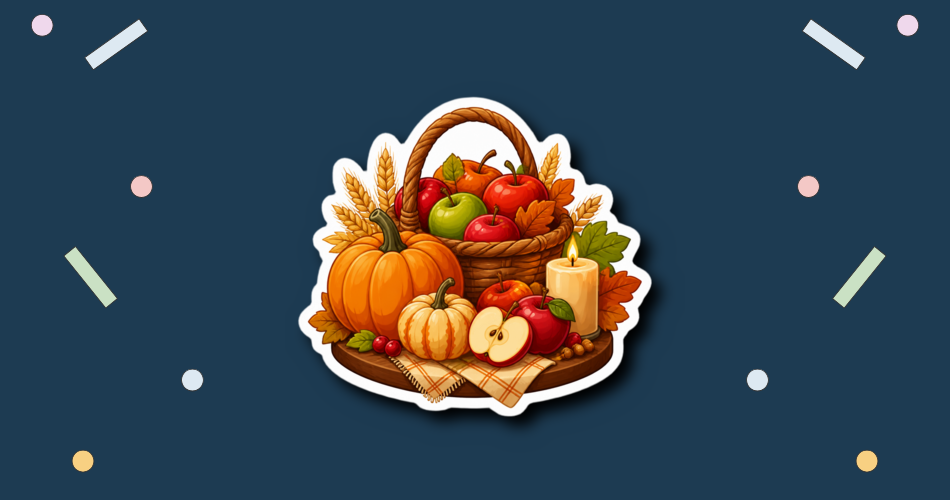
Host a seasonal meal with friends and family featuring apples, squash, pumpkins, and root vegetables. Apples are especially meaningful as symbols of abundance and the Cornucopia. Sharing food is a direct way to honor the harvest spirit and express gratitude for the earth's gifts. Prepare dishes from locally grown produce to connect with the season's energy.
Spend time outdoors on a nature walk or visit a sacred site to witness the changing leaves and crisp air. Create a simple altar at home with autumn leaves, nuts, berries, and candles as a focal point for meditation on balance. Acts of charity, such as donating to a food bank, align with the tradition of sharing the harvest. Practice mindfulness by meditating on the themes of transition and gratitude, acknowledging the beauty of nature's cycle.
- Prepare a harvest feast with seasonal ingredients like apples, pumpkins, and root vegetables.
- Decorate your home with autumnal items: leaves, gourds, pinecones, and warm-colored candles.
- Go for a walk in nature to appreciate the colorful foliage and the shift in light.
- Donate food or volunteer at a local charity to share the abundance with others.
- Set up a meditation or journaling practice focused on balance, gratitude, and releasing what no longer serves you.
Mabon Day Dates
| Year | Date | Day of the week |
|---|---|---|
| 2026 | September 21 | Monday |
| 2027 next | September 21 | Tuesday |
| 2028 | September 21 | Thursday |
| 2029 | September 21 | Friday |
| 2030 | September 21 | Saturday |
Thank you for your feedback!
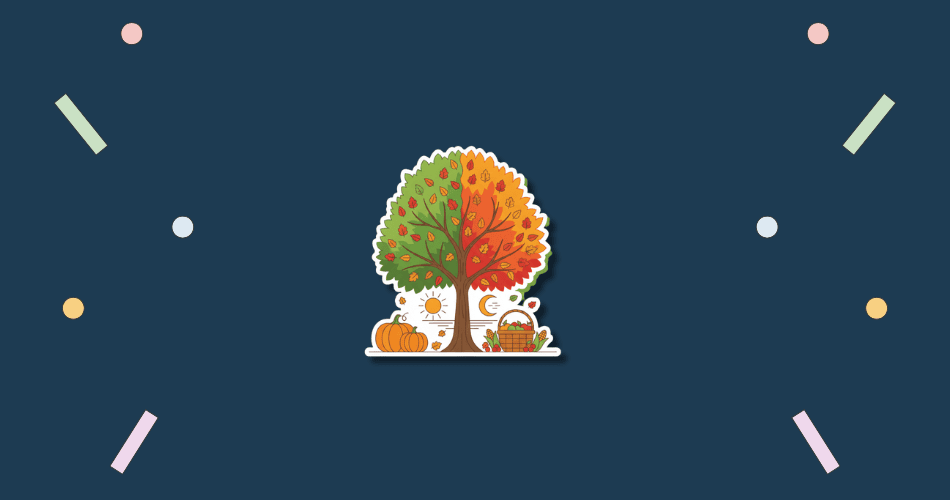
The September Equinox (Fall Equinox)
Fuel the next post!