



Lammas Day
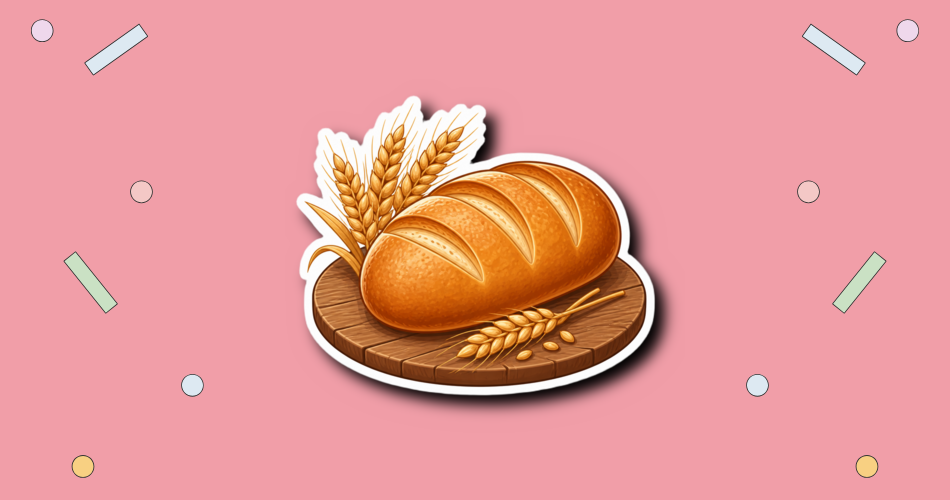
Lammas Day is celebrated annually on August 1. In 2027, this date falls on a Sunday. Also known as Loaf Mass Day, this Christian holiday marks the blessing of the first wheat harvest. Observed in many English-speaking countries, it combines agricultural thanksgiving with religious devotion. The day’s name comes from Old English “hlāfmæsse,” meaning loaf-mass, reflecting the custom of bringing freshly baked bread to church. For centuries, Lammas has been a time to thank God for the harvest and to share the season’s bounty.
Contents
HT Meter
Does this day matter to you?
Tap the meter if it does, and say whether you will be celebrating — that is what opens the wishes from everybody else who will be.
This day matters to me
0 Be the first to say so
Just getting started
0 Let others know you’re in.
Wishes, greetings and stories
Join the celebration to share a wish, a greeting, or how this day goes in your house.
These are kept for the people celebrating this day. Say you will be celebrating to read them and to add your own.
You have already shared something here recently.
Nothing here yet. Yours would be the first.
History of Lammas Day
Lammas Day has roots in early medieval England. The Anglo-Saxon Chronicle refers to it as “the feast of first fruits,” and it was likely a pre-Christian harvest festival adapted by the church. In Anglo-Saxon times, loaves made from the new wheat were blessed at church, and the bread was sometimes used in protective rituals, such as placing pieces in barn corners to safeguard the grain. The holiday also marked the start of the wheat harvest, a period of hard work and communal reaping.
During the Middle Ages, Lammas became a major agricultural and legal landmark. It was one of the Scottish quarter days, when rents were due and contracts began. Church processions to bakeries became common, with clergy blessing the workers. In England, Lammas fairs sprang up, some lasting for centuries. The holiday also coincided with the feast of St. Peter in Chains, adding another layer of religious significance. By the 16th century, Lammas was firmly embedded in the liturgical calendar of the Church of England.
Why is Lammas Day important?
Lammas Day has deep spiritual and cultural significance. It represents the first fruits of the harvest, a biblical concept where the earliest and best of the crop is offered to God. This act of gratitude reinforces the connection between human labor, nature, and divine blessing. For Christians, the loaf of bread used in the Eucharist on Lammas ties the holiday to the central mystery of their faith. The day also serves as a reminder of the agricultural rhythms that sustained communities for centuries.
Lughnasadh
Beyond its religious meaning, Lammas Day highlights the importance of communal celebration and sharing. It is one of the oldest points of contact between the church and the agricultural world, alongside Plough Sunday and Rogation Days. The holiday also resonates with neopagans, who have adopted it as a harvest festival in the Wheel of the Year. Its enduring appeal speaks to universal themes of gratitude, abundance, and the cycle of seasons.
- The blessing of the first loaves of bread made from newly harvested wheat.
- The offering of first fruits to God, a practice rooted in the Old Testament.
- Church processions to bakeries, where clergy bless workers and their work.
- The holiday’s role as a Scottish quarter day, marking legal and economic cycles.
- Its adoption by neopagan traditions as a harvest sabbat, often called Lughnasadh.
How to Celebrate Lammas Day
Make it yours
How would you like to spend Lammas Day?
Tick what fits you, and we will put together ideas made for this day — not for any day.
Modern celebrations of Lammas Day often involve baking or buying a loaf of bread and bringing it to a church for a special blessing. Many Anglican and Lutheran congregations hold services where the Lammas loaf is used as the Eucharistic bread or distributed as blessed bread. Some churches organize processions to local bakeries, continuing a tradition that dates back centuries. Families and friends may also gather for a meal featuring fresh bread, local produce, and other harvest foods.
Lammas fairs and festivals still take place in several towns, especially in the United Kingdom. Exeter’s Lammas Fair, for example, features a white glove raised above the Guildhall and has roots going back over 900 years. In Scotland, the Ould Lammas Fair and Inverkeithing Lammas Fair keep the tradition alive. These events include music, food stalls, and community activities. Even those who cannot attend a fair can observe Lammas by baking bread, reflecting on the harvest, or sharing food with neighbors.
- Bake a loaf of bread using local or whole grain flour to honor the harvest.
- Attend a church service that includes a blessing of the bread.
- Visit a Lammas fair or organize a small community gathering with fresh bread.
- Donate bread or canned goods to a food pantry as a modern first-fruits offering.
- Spend time outdoors, appreciating the ripening crops and the season’s abundance.
Lammas Day Dates
| Year | Date | Day of the week |
|---|---|---|
| 2026 | August 1 | Saturday |
| 2027 next | August 1 | Sunday |
| 2028 | August 1 | Tuesday |
| 2029 | August 1 | Wednesday |
| 2030 | August 1 | Thursday |
Sorry to hear you didn't enjoy this article...
Fasnacht Day
Help us make it better!