


Lughnasadh
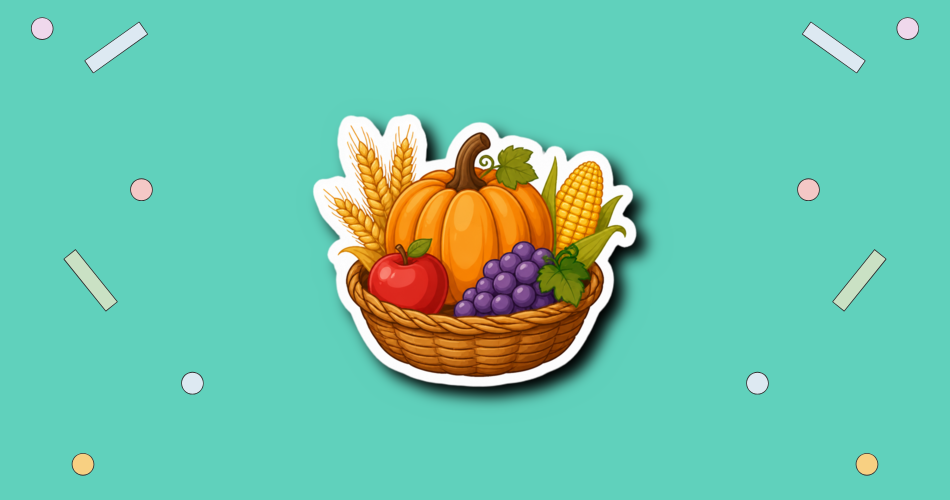
Lughnasadh is celebrated annually on August 1. In 2027, this date falls on a Sunday. This ancient Gaelic festival marks the beginning of the harvest season, a time for feasting, community gatherings, and honoring the mythical Irish god Lugh and his foster mother Tailtiu. Rooted in Irish, Scottish, and Manx traditions, Lughnasadh remains a vibrant cultural observance for those who follow Celtic pagan paths and for anyone who wishes to celebrate the bounty of the earth.
Contents
HT Meter
Does this day matter to you?
Tap the meter if it does, and say whether you will be celebrating — that is what opens the wishes from everybody else who will be.
This day matters to me
0 Be the first to say so
Just getting started
0 Let others know you’re in.
Wishes, greetings and stories
Join the celebration to share a wish, a greeting, or how this day goes in your house.
These are kept for the people celebrating this day. Say you will be celebrating to read them and to add your own.
You have already shared something here recently.
Nothing here yet. Yours would be the first.
History of Lughnasadh
The name Lughnasadh comes from the Irish god Lugh and the word "nasad," meaning assembly. According to Irish mythology, Lugh created the festival as a funeral feast and athletic competition in honor of his foster mother Tailtiu, who died of exhaustion after clearing the plains of Ireland for farming. The festival originally featured sporting contests similar to the ancient Olympic Games, along with music, storytelling, law proclamations, horse riding, trading, and trial marriages. This gathering was known as Óenach Tailten or Aonach Tailteann.
Over time, Lughnasadh evolved and absorbed Christian influences. For example, Reek Sunday, a pilgrimage in late July to the top of Croagh Patrick mountain, and the Puck Fair in Killorglin, County Kerry, are linked to ancient Lughnasadh practices. Towns in Ireland still hold Lughnasadh festivals featuring dancing, music, storytelling, and arts and crafts. The festival is also known as Lammas, from the Old English "hlaf-maesse" meaning "loaf mass," reflecting the Christian blessing of the first grain.
Why is Lughnasadh important?
Lughnasadh is a vital link to Gaelic heritage and customs. It commemorates the history and mythology of the Celtic peoples, particularly the story of Lugh and Tailtiu, and the importance of the harvest. The festival unites Gaelic people across Ireland, Scotland, and the Isle of Man, and it has been revived by modern pagans and Wiccans as one of the eight sabbats on the Wheel of the Year.
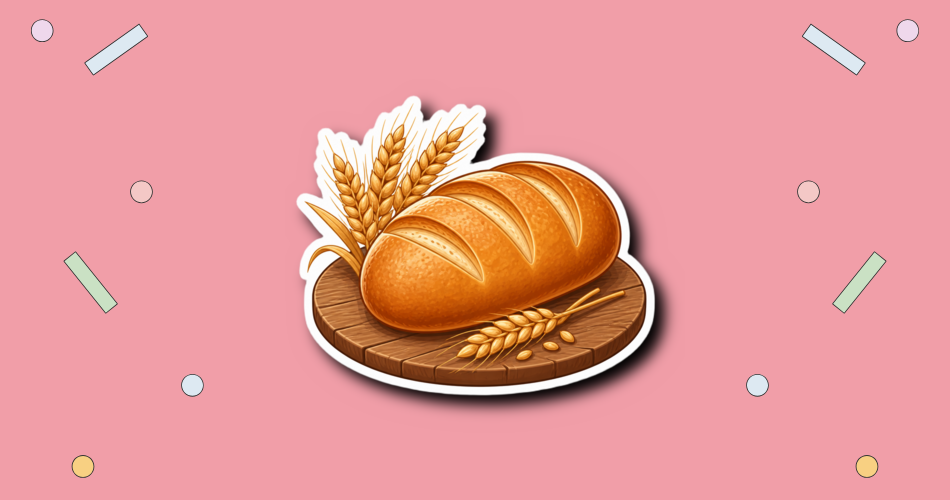
Lammas Day
Beyond its cultural significance, Lughnasadh promotes community and local economies. Spreading awareness about the festival fosters tourism in regions where it is celebrated, boosting local businesses and artisans. The holiday also encourages reflection on personal harvests—what we have grown and what we are ready to release.
- Lughnasadh honors the mythical god Lugh, a master of many skills, and his foster mother Tailtiu.
- It marks the first of three harvest sabbats in the Wiccan Wheel of the Year.
- The festival preserves ancient Celtic traditions of feasting, games, and community gatherings.
- Modern celebrations support local farmers, artisans, and cultural heritage organizations.
- Lughnasadh encourages personal reflection on the fruits of one's labor and the sacrifices needed for growth.
How to Celebrate Lughnasadh
Make it yours
How would you like to spend Lughnasadh?
Tick what fits you, and we will put together ideas made for this day — not for any day.
Celebrating Lughnasadh can be as simple or elaborate as you wish. Many people bake bread using local grains, visit farmers' markets to buy seasonal produce, or attend local fairs and cultural events. Traditional activities include hiking to hilltops, making corn dollies, and sharing a harvest meal with friends and family. For those who follow pagan paths, setting up an altar with symbols of the harvest—such as wheat, sunflowers, and citrine—and performing rituals of gratitude and release are meaningful ways to observe the sabbat.
Businesses and community groups can also participate. Bakeries might offer special artisan bread, craft shops can host workshops on weaving or pottery, and restaurants can create menus featuring freshly harvested ingredients. Virtual participation is also possible through online streaming of Lughnasadh festivals. The key is to embrace the spirit of abundance and community that defines this ancient celebration.
- Bake a loaf of bread using local grains and offer the first slice to the earth.
- Visit a farmers' market or pick your own fruits and vegetables.
- Attend a local Lughnasadh festival or Highland games event.
- Create a corn dolly or other harvest craft to place on your altar.
- Spend time in nature—hike a hill or mountain to honor the turning of the season.
Lughnasadh Dates
| Year | Date | Day of the week |
|---|---|---|
| 2026 | August 1 | Saturday |
| 2027 next | August 1 | Sunday |
| 2028 | August 1 | Tuesday |
| 2029 | August 1 | Wednesday |
| 2030 | August 1 | Thursday |