
Unity Day in Nepal
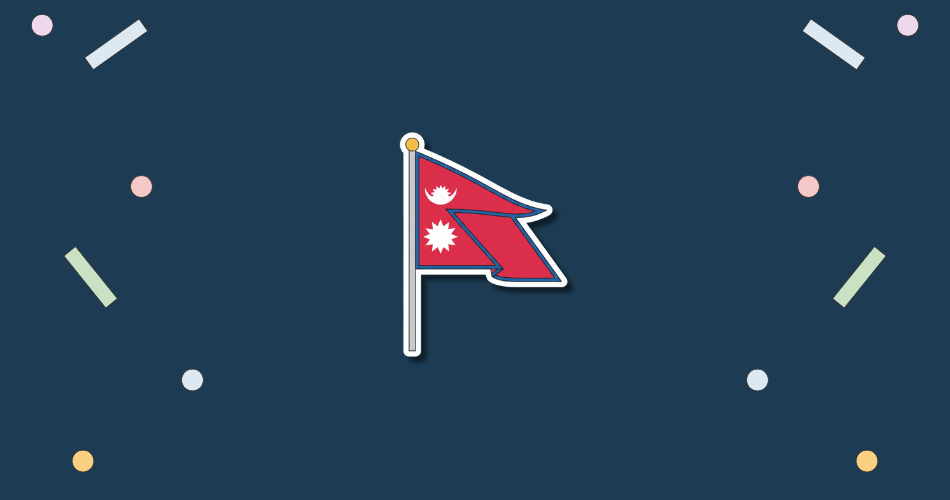
Unity Day in Nepal, also known as Prithvi Jayanti, is observed on January 11. This national occasion honors the birth anniversary of King Prithvi Narayan Shah, who is credited with the unification of modern Nepal in the 18th century. It serves as a day for citizens to reflect on their shared national identity and the historical efforts required to bring together various small kingdoms into a single sovereign state.
Contents
HT Meter
Does this day matter to you?
Say that it does, and say whether you will be marking it. Both are anonymous to nobody but kind to everybody.
This day matters to me
0 Be the first to say so
Quietly remembered
0 Nobody has said so yet
Notes of remembrance
Join those marking this day to share a word, a memory, or the reason it matters to you.
These notes are kept for the people marking this day. Say you will be marking it to read them and to leave your own.
You have already shared a note here recently.
No notes yet. Yours would be the first.
History of Unity Day in Nepal
The roots of this observance trace back to the 18th century when the region was divided into more than 50 small principalities known as the Baise and Chaubise states. Prithvi Narayan Shah, the ruler of the Gorkha Kingdom, began an ambitious military and diplomatic campaign in 1743 to merge these scattered territories. His primary goal was to create a strong, unified nation capable of resisting the expanding influence of the British East India Company.
The unification process reached a turning point in 1768 when Gorkhali forces captured the Kathmandu Valley. Following this victory, the capital was moved to Kathmandu, and the groundwork for the modern borders of Nepal was established. Although the monarchy was abolished in 2008, the government and various social groups continue to mark this day to recognize the king’s role as the “Father of the Nation.” The holiday has seen periods of removal and reinstatement on the official calendar, reflecting changing political landscapes.
Why is Unity Day in Nepal important?
This day represents the birth of Nepal’s sovereignty and its unique position in South Asian history. By unifying the hill and plain regions, the campaign ensured that Nepal remained one of the few countries in the area never to be colonized by a foreign power. The philosophy of “a yam between two boulders,” coined by the founding king, continues to influence the country’s foreign policy by emphasizing the need for balanced relationships with its giant neighbors, China and India.
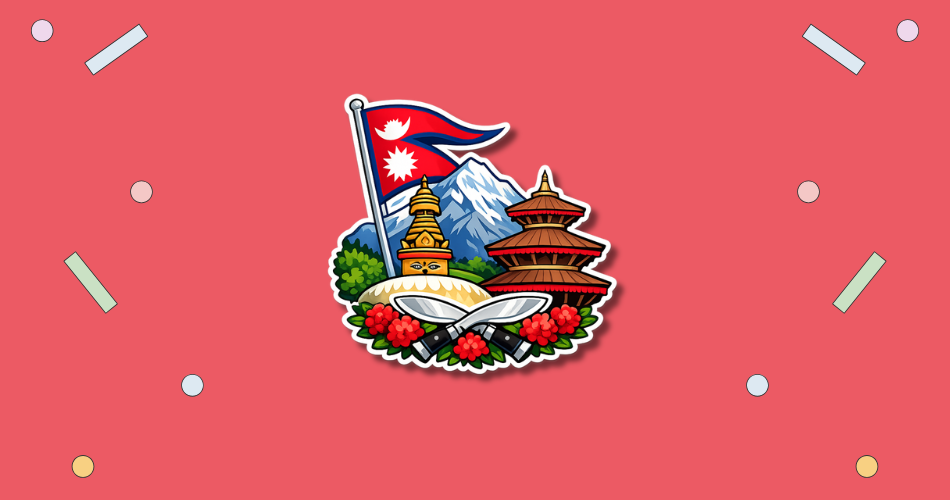
Republic Day in Nepal
Beyond political history, the day highlights the cultural and ethnic diversity that characterizes the nation. It encourages the idea that despite different languages and traditions, the population belongs to a single, indivisible entity. This sense of collective belonging is viewed as essential for maintaining internal stability and promoting national development. The teachings of the founding king, recorded in the Divyopadesh, are often cited on this day as a guide for governance and national integrity.
- It marks the formal end of fragmented rule across the Himalayan region
- The day emphasizes the importance of maintaining an independent and sovereign state
- It honors the strategic military tactics used to protect the borders
- Citizens use the occasion to celebrate their common heritage and national pride
- The event serves as a reminder of the historical resilience of the Nepali people
How to Observe Unity Day in Nepal
Make it yours
How would you like to spend Unity Day in Nepal?
Tick what fits you, and we will put together ideas made for this day — not for any day.
Observances typically begin with a formal ceremony at the statue of Prithvi Narayan Shah located at the west gate of Singha Durbar in Kathmandu. High-ranking government officials, including the President and Prime Minister, often lay floral wreaths and garlands at the monument to pay their respects. Public processions and rallies are common in the capital and other major cities, with participants carrying the national flag and shouting patriotic slogans to honor the country’s unifier.
A unique tradition involves a “unification torch rally” organized by the Nepal Army. This relay begins in Gorkha, the birthplace of the founding king, and travels through historical trails used during the unification campaign before concluding in Kathmandu. In local communities, families may gather to share traditional meals like Dal Bhat and discuss the history of their ancestors. Schools and cultural organizations also host programs where the Divyopadesh is read aloud to educate the younger generation about the nation’s founding principles.
- Visit the statues of the founding king to offer flowers and prayers
- Participate in or watch the torch rally that travels from Gorkha to Kathmandu
- Listen to public readings of historical texts regarding the nation’s formation
- Fly the unique double-pennant national flag at homes or businesses
- Attend cultural seminars that discuss the geopolitical history of the region
Unity Day in Nepal Dates Table
| Year | Date | Day |
|---|---|---|
| 2026 | January 11 | Sunday |
| 2027 | January 11 | Monday |
| 2028 | January 11 | Tuesday |
| 2029 | January 11 | Thursday |
| 2030 | January 11 | Friday |
Sorry to hear you didn't enjoy this article...
Unity Day Burundi
Help us make it better!