


Republic Day in Nepal
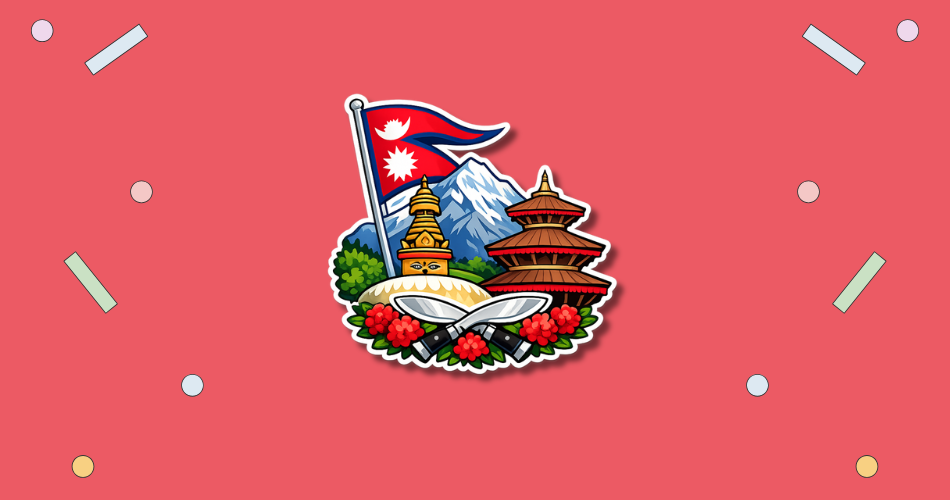
Republic Day in Nepal is observed on Jestha 15 in the Nepali calendar. In 2027, this date falls on a Saturday. The day commemorates Nepal’s transition from monarchy to a federal democratic republic after the Constituent Assembly moved to abolish royal rule in 2008. It is a national civic observance focused on democratic government, public sovereignty, and the political changes that reshaped modern Nepal. The tone of the day is patriotic and reflective, with attention on the country’s constitutional journey and the responsibilities of citizenship. 1 2
Contents
See also: Unity Day in Nepal
HT Meter
Does this day matter to you?
Say that it does, and say whether you will be marking it. Both are anonymous to nobody but kind to everybody.
This day matters to me
0 Be the first to say so
Quietly remembered
0 Nobody has said so yet
Notes of remembrance
Join those marking this day to share a word, a memory, or the reason it matters to you.
These notes are kept for the people marking this day. Say you will be marking it to read them and to leave your own.
You have already shared a note here recently.
No notes yet. Yours would be the first.
History of Republic Day in Nepal
Republic Day in Nepal is connected with the first meeting of the elected Constituent Assembly in May 2008. That assembly ended the centuries-old monarchy and declared Nepal a federal democratic republic, changing the country’s political structure after years of conflict, protest, and negotiation. The change followed the 2006 people’s movement, which restored parliamentary power and opened the way for a new political settlement. Republic Day is known in Nepali as Ganatantra Diwas, a phrase commonly used for the national republican observance.

Unity Day in Nepal
The date is tied to Jestha 15 in the Nepali calendar, which is why its Gregorian date can vary slightly from year to year. In 2026, the observance falls on May 29. Today, the day is associated with official programs, public reflection, and recognition of Nepal’s move toward elected republican government. It is also a moment to think about the promises and challenges of democratic life, including representation, accountability, stability, and national unity.
Why is Republic Day in Nepal important?
Republic Day in Nepal matters because it marks one of the most important political turning points in the country’s modern history. The observance points back to the end of hereditary monarchy and the beginning of a republican system in which state authority is meant to come from the people. For many Nepalis, the date represents a shift from royal rule toward elected institutions and constitutional government. It also preserves public memory of the political movements and negotiations that made that change possible.
The day is important beyond ceremony because republican government depends on civic participation, not only formal declarations. It asks citizens, leaders, schools, and institutions to consider what democracy should look like in everyday life. Questions of fairness, inclusion, public service, and peaceful political disagreement remain part of Nepal’s continuing national conversation. Republic Day gives those questions a clear place on the calendar.
- It marks Nepal’s transition away from monarchy.
- It honors the role of elected government.
- It keeps civic history visible for younger generations.
- It connects national identity with democratic responsibility.
- It encourages reflection on Nepal’s political future.
How to Observe Republic Day in Nepal
Make it yours
How would you like to spend Republic Day in Nepal?
Tick what fits you, and we will put together ideas made for this day — not for any day.
Republic Day in Sri Lanka
Read about Nepal’s republican transition, especially the events around the 2006 people’s movement and the 2008 Constituent Assembly. Schools, community groups, and families can use the day to discuss what a republic means and how elected institutions affect daily life. Public programs, flag ceremonies, speeches, and cultural events may be held in connection with the observance. A respectful approach fits the day best, since it is tied to serious political change rather than a casual festival.
The day can also be observed by learning about Nepal’s Constitution, civic rights, and the responsibilities that come with democratic participation. Nepalis living abroad may mark the date through embassy programs, community gatherings, or educational activities about national history. Readers outside Nepal can use the day to better understand the country’s modern political development and the meaning of Ganatantra Diwas. Thoughtful observance should avoid reducing the day to slogans and instead recognize both the achievement and the work still required to sustain democratic institutions.
- Learn the meaning of Ganatantra Diwas.
- Read about the 2008 Constituent Assembly.
- Discuss civic duties with students or family.
- Attend a respectful community program.
- Reflect on democracy, representation, and public service.
Republic Day in Nepal Dates
| Year | Date | Day of the week |
|---|---|---|
| 2026 | May 29 | Friday |
| 2027 next | May 29 | Saturday |
| 2028 | May 29 | Monday |
| 2029 | May 29 | Tuesday |
| 2030 | May 29 | Wednesday |