



Learn About Composting Day
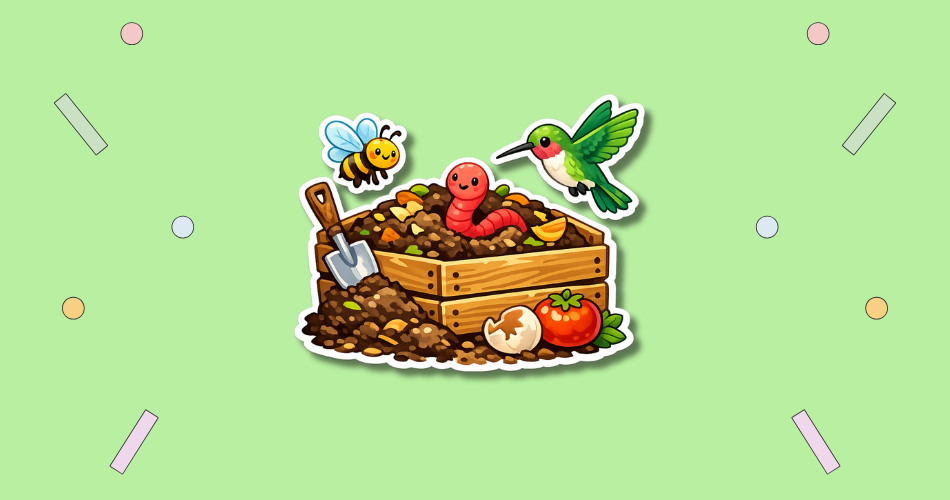
Learn About Composting Day is observed every year on May 29. In 2027, this date falls on a Saturday. The day focuses on learning how food scraps, yard trimmings, leaves, and other organic materials can be turned into compost instead of being thrown away. It is an educational observance with a practical message: composting can improve soil, reduce waste, and make gardening more sustainable. For beginners, the day is a good reason to learn the basics of what can be composted, how a compost pile works, and how finished compost can be used. 1 2
Contents
See also: International Permaculture Day, Community Garden Week
HT Meter
Does this day matter to you?
Tap the meter if it does, and say whether you will be celebrating — that is what opens the wishes from everybody else who will be.
This day matters to me
0 Be the first to say so
Just getting started
0 Let others know you’re in.
Wishes, greetings and stories
Join the celebration to share a wish, a greeting, or how this day goes in your house.
These are kept for the people celebrating this day. Say you will be celebrating to read them and to add your own.
You have already shared something here recently.
Nothing here yet. Yours would be the first.
History of Learn About Composting Day
Learn About Composting Day is a modern observance connected with compost education rather than a long-established public holiday. The day is commonly listed as an annual May 29 observance, and one holiday reference identifies its modern start as 2011. Its focus fits into a broader movement that has made composting more visible in homes, schools, community gardens, local governments, and waste reduction programs. The history of the day is best understood through the subject itself: composting is a simple natural process that turns organic matter into a useful soil amendment.
National Recycling Day
Composting has long been part of farming and gardening because decomposed organic material helps restore nutrients and improve soil texture. Today, the day is usually used to introduce people to small-scale composting, backyard bins, worm composting, municipal food-scrap programs, and garden use of finished compost. It is especially useful for people who want to reduce household waste but are unsure where to begin. The observance keeps the topic approachable by focusing on basic learning rather than expert-level gardening.
Why is Learn About Composting Day important?
Learn About Composting Day is important because many households throw away organic material that could be put to better use. Fruit and vegetable scraps, coffee grounds, eggshells, leaves, grass clippings, and small garden trimmings can become compost when managed properly. Finished compost can be added to flower beds, vegetable gardens, containers, and tree beds to improve soil structure and help soil hold moisture. For gardeners, that can mean healthier plants and less dependence on purchased soil amendments.
The day also connects personal habits with larger waste and soil concerns. Composting keeps some organic material out of landfills, where discarded food and yard waste take up space and may contribute to environmental problems when not managed well. Learning the basics also helps people avoid common mistakes, such as adding plastics, meat, dairy, or oily foods to a home compost pile. A small, well-managed compost bin can teach children and adults how decay, soil life, food systems, and waste reduction are connected.
- It makes composting less intimidating for beginners.
- It helps households rethink everyday food scraps.
- Gardeners can learn how compost improves soil.
- Schools can use the day for hands-on science lessons.
- Communities can promote local food-scrap options.
How to Celebrate Learn About Composting Day
Make it yours
How would you like to spend Learn About Composting Day?
Tick what fits you, and we will put together ideas made for this day — not for any day.
International Permaculture Day
Start with a simple compost audit at home. Look at what goes into the trash during a typical day and separate items that might be compostable, such as vegetable peels, coffee grounds, tea leaves, and yard debris. Read local rules before adding food scraps to a curbside or drop-off program, because accepted materials vary by city and service. For backyard composting, choose a dry, shaded spot, balance “greens” such as food scraps with “browns” such as leaves or shredded paper, and keep the pile moist but not soggy.
Families, classrooms, and garden groups can use the day for a small learning project. Children can sort sample items into compostable and non-compostable groups, while adults can compare backyard bins, tumblers, worm bins, or local collection services. Gardeners can spread finished compost around plants, mix it into beds, or top-dress containers. Anyone without outdoor space can still participate by finding a local food-scrap drop-off site or learning how indoor vermicomposting works.
- Set up a small kitchen scrap container.
- Learn which materials belong in a compost bin.
- Turn an existing pile to add air.
- Add finished compost to a garden bed.
- Share a composting worksheet with children.
Learn About Composting Day Dates
| Year | Date | Day of the week |
|---|---|---|
| 2026 | May 29 | Friday |
| 2027 next | May 29 | Saturday |
| 2028 | May 29 | Monday |
| 2029 | May 29 | Tuesday |
| 2030 | May 29 | Wednesday |