


National Snail Day
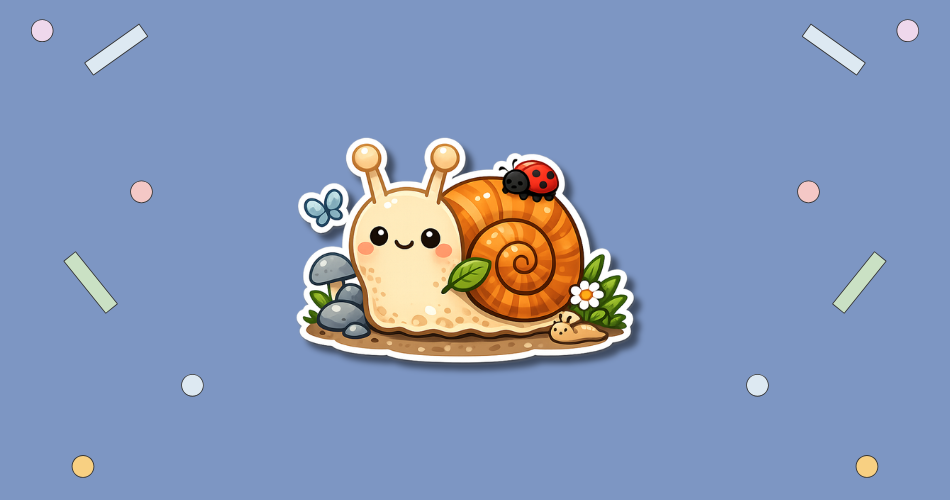
National Snail Day is observed every year on May 29. In 2027, this date falls on a Saturday. This informal nature holiday turns attention to snails, the small shelled mollusks found in gardens, forests, freshwater habitats, and oceans. The day is lighthearted, but it also fits well with learning about ecosystems, soil, food chains, and the often-overlooked creatures that help keep natural places working. People may mark it by reading about snails, looking for them outdoors without disturbing them, sharing snail facts, or using the day as a gentle prompt to notice slower, quieter parts of nature.
Contents
See also: International Snailpapers Day, Martin Z. Mollusk Day, Slugs Return From Capistrano Day
HT Meter
Does this day matter to you?
Tap the meter if it does, and say whether you will be celebrating — that is what opens the wishes from everybody else who will be.
This day matters to me
0 Be the first to say so
Just getting started
0 Let others know you’re in.
Wishes, greetings and stories
Join the celebration to share a wish, a greeting, or how this day goes in your house.
These are kept for the people celebrating this day. Say you will be celebrating to read them and to add your own.
You have already shared something here recently.
Nothing here yet. Yours would be the first.
History of National Snail Day
No single confirmed founder or official organization is widely identified for National Snail Day, so its modern history is best understood as an informal observance rather than an official public holiday. The subject of the day, however, has a much deeper natural history. Snails are gastropod mollusks, and the word can refer to land snails, freshwater snails, and sea snails that have visible external shells. Their variety is part of what makes them interesting: different species live in very different habitats, and some breathe with lungs while others use gills.

National Escargot Day
Snails have long been connected with gardens, damp soil, ponds, tide pools, shells, and the slow movement that makes them easy to recognize. Today, National Snail Day is mostly used for education, observation, and appreciation. It points to the ecological role of snails as animals that can help break down plant matter, recycle nutrients, and serve as food for birds, mammals, insects, fish, and other wildlife. It also gives teachers, families, gardeners, and nature lovers a simple topic for talking about biodiversity close to home.
Why is National Snail Day important?
National Snail Day matters because it draws attention to animals that are easy to ignore. Snails are often noticed only when they appear on garden leaves or leave a silvery trail across a sidewalk, but they are part of larger natural systems. Many snails feed on plants, algae, fungi, decaying material, or other organic matter, depending on the species. That feeding activity can connect them to decomposition, soil processes, and the movement of nutrients through an ecosystem.
The day also helps people think more carefully about small wildlife. A healthy garden, park, stream, or forest is not made only of large animals and bright flowers; it also depends on tiny, quiet, and sometimes hidden life. Snails can teach patience, observation, and curiosity because they reward close looking rather than rushing. For children especially, a snail can be an approachable introduction to anatomy, habitats, shells, moisture, and the difference between helping wildlife and handling it too much.
- Snails make small wildlife easier to notice.
- The day supports simple nature education.
- Gardeners can learn more about local ecosystems.
- Children can practice careful outdoor observation.
- It gives overlooked creatures a moment of attention.
How to Celebrate National Snail Day
Make it yours
How would you like to spend National Snail Day?
Tick what fits you, and we will put together ideas made for this day — not for any day.
Slugs Return From Capistrano Day
Take a slow walk through a garden, park, or wooded area and look carefully near damp soil, shaded leaves, stones, logs, or flowerpots. If a snail is found, watch it without picking it up unless handling is necessary and safe. Notice the shell, the tentacles, the trail, and the way the animal moves across a surface. A sketchbook, camera, or nature journal can turn a quick sighting into a useful record of what lives nearby.
National Snail Day also works well as a small educational project. Read about the difference between land snails, freshwater snails, and sea snails, or learn why some species are helpful in ecosystems while others can become garden or agricultural pests. Families can make snail art, build a simple backyard observation spot with shade and moisture, or talk about using fewer harsh chemicals outdoors. The best activities keep the focus on respect: observe closely, protect habitat, and leave wild animals where they belong.
- Look for snails after rain or watering.
- Draw a snail shell from observation.
- Read a children’s book about mollusks.
- Add shady shelter to a wildlife-friendly garden.
- Share one accurate snail fact with a friend.
National Snail Day Dates
| Year | Date | Day of the week |
|---|---|---|
| 2026 | May 29 | Friday |
| 2027 next | May 29 | Saturday |
| 2028 | May 29 | Monday |
| 2029 | May 29 | Tuesday |
| 2030 | May 29 | Wednesday |