


European Neighbors’ Day
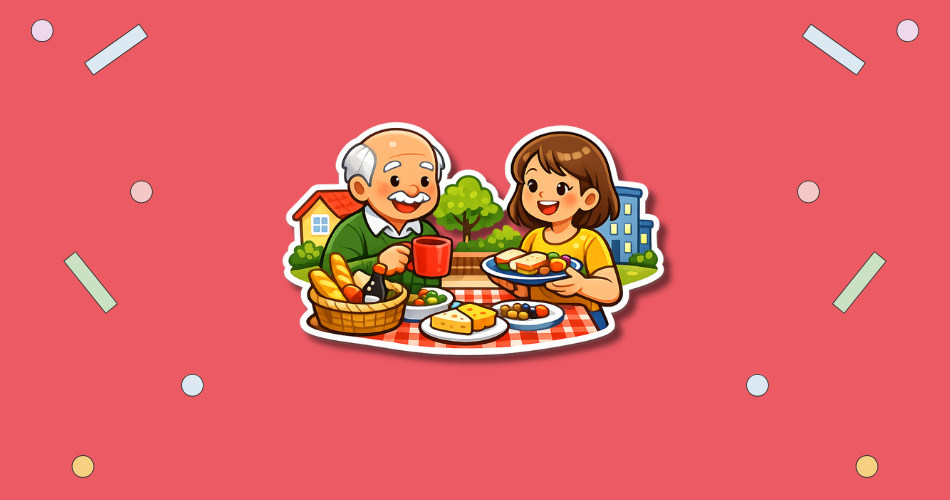
European Neighbors’ Day is observed on the last Friday of May. In 2027, this date falls on May 28. The observance focuses on helping people who live near one another meet, talk, share food, and build friendlier local connections. It is especially associated with apartment buildings, streets, housing communities, and city neighborhoods where people may pass each other often without really knowing one another. The day is cheerful in tone, but its purpose is practical: reducing isolation and making everyday community life feel more open, helpful, and human. 1 2 3
Contents
See also: Yodel For Your Neighbors Day, National Neighbor Day, Won’t You Be My Neighbor Day, National Do Something Good for Your Neighbor Day, Wave All Your Fingers at Your Neighbor Day
HT Meter
Does this day matter to you?
Tap the meter if it does, and say whether you will be celebrating — that is what opens the wishes from everybody else who will be.
This day matters to me
0 Be the first to say so
Just getting started
0 Let others know you’re in.
Wishes, greetings and stories
Join the celebration to share a wish, a greeting, or how this day goes in your house.
These are kept for the people celebrating this day. Say you will be celebrating to read them and to add your own.
You have already shared something here recently.
Nothing here yet. Yours would be the first.
History of European Neighbors’ Day
The idea behind European Neighbors’ Day began in Paris in 1990, when Atanase Périfan and a group of friends created the association Paris d’Amis in the city’s 17th district. Their work focused on strengthening local ties and responding to isolation through neighborhood support. In 1999, Périfan and the association launched a neighborhood celebration in Paris known as “Immeubles en fête — la fête des voisins.” The first event brought together residents from hundreds of apartment buildings and helped turn a local idea into a wider civic tradition.
Neighbor Day
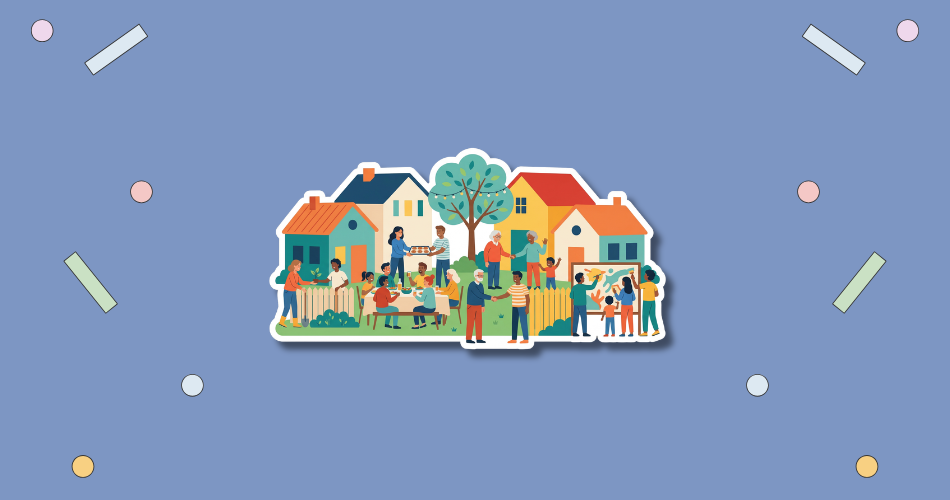
The celebration expanded beyond Paris in the following years, first across France and then into other European communities. By 2003, the event had reached a European level, and the name European Neighbors’ Day became tied to the broader movement in 2004. Today, the observance is connected with simple local gatherings: courtyard meals, street parties, shared drinks, posted invitations, and conversations between people who live close by. Its growth reflects a steady interest in making neighborhoods less anonymous and more cooperative.
Why is European Neighbors’ Day important?
European Neighbors’ Day matters because neighborhood life often depends on small, ordinary relationships. A person may need help carrying groceries, watching for a delivered package, finding local information, or checking in during bad weather. When neighbors know one another, those small moments of support become easier and less awkward. The day gives people a clear reason to begin those conversations before there is an urgent need.
The observance also speaks to a wider social issue: loneliness can exist even in crowded buildings and busy cities. Modern life makes it easy for people to live close together while staying socially distant. A shared meal, hallway invitation, or casual outdoor gathering cannot solve every problem, but it can make a building or block feel more familiar. Stronger neighborly ties can improve safety, trust, and the feeling that people belong where they live.
- It helps neighbors learn each other’s names.
- It can make apartment buildings feel less anonymous.
- Small gatherings may lead to practical mutual help.
- The day supports friendliness across age groups and backgrounds.
- Local connection can reduce everyday isolation.
How to Celebrate European Neighbors’ Day
Make it yours
How would you like to spend European Neighbors' Day?
Tick what fits you, and we will put together ideas made for this day — not for any day.

National Neighbor Day
Invite nearby residents for a simple gathering in a courtyard, lobby, garden, driveway, or shared outdoor space. Food does not need to be elaborate; a few snacks, drinks, or homemade dishes are enough to make people feel welcome. Apartment residents can post a friendly note in a common area, while people on a street can coordinate a short evening get-together. Keep the plan easy to join, especially for older neighbors, families with children, and people who may be shy about attending.
The day can also be used to strengthen everyday communication after the gathering ends. Neighbors might exchange contact details for emergencies, start a small building chat, or agree to check on one another during heat waves, storms, or holidays. A thoughtful celebration leaves room for people who do not want a large party but would appreciate a friendly introduction. The best results often come from modest plans that make future conversations feel natural.
- Put up a clear invitation in a shared space.
- Bring a dish that is easy to share.
- Set out name tags for a larger gathering.
- Introduce a new resident to nearby neighbors.
- Exchange emergency contact details with consent.
European Neighbors’ Day Dates
| Year | Date | Day of the week |
|---|---|---|
| 2026 | May 29 | Friday |
| 2027 next | May 28 | Friday |
| 2028 | May 26 | Friday |
| 2029 | May 25 | Friday |
| 2030 | May 31 | Friday |