


West Indian Day Parade
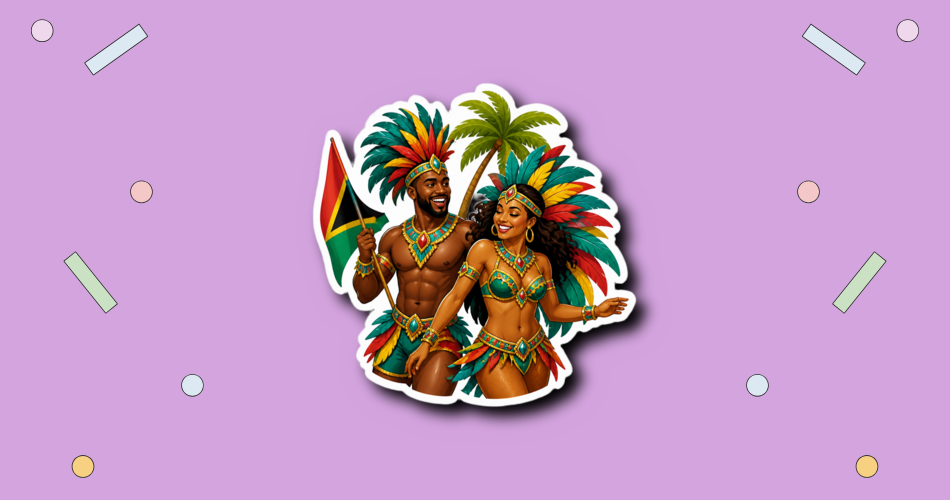
The West Indian Day Parade is celebrated annually on the first Monday in September. In 2027, this date falls on September 6. This vibrant parade in Brooklyn, New York, showcases the rich culture and heritage of the West Indies through music, dance, and elaborate costumes. Organized by the West Indian American Day Carnival Association (WIADCA), the event attracts over a million participants and spectators each year, making it one of the largest Caribbean celebrations in North America.
Contents
HT Meter
Does this day matter to you?
Tap the meter if it does, and say whether you will be celebrating — that is what opens the wishes from everybody else who will be.
This day matters to me
0 Be the first to say so
Just getting started
0 Let others know you’re in.
Wishes, greetings and stories
Join the celebration to share a wish, a greeting, or how this day goes in your house.
These are kept for the people celebrating this day. Say you will be celebrating to read them and to add your own.
You have already shared something here recently.
Nothing here yet. Yours would be the first.
History of West Indian Day Parade
The West Indian Day Parade traces its roots to the 1930s when Jessie Waddell and other West Indian immigrants began staging costume parties in Harlem ballrooms. The first street parade took place on September 1, 1947, along Seventh Avenue in Harlem. The Trinidad Carnival Pageant Committee organized the event, which included a Carnival Queen competition and a souvenir journal. However, indoor venues proved too small for the growing celebration, and the parade moved outdoors.
In the 1960s, the parade relocated to Brooklyn after the Harlem permit was revoked. Carlos Lezama led a committee that became WIADCA and secured Eastern Parkway as the new route. The parade grew significantly throughout the 1970s, featuring steel bands, masquerade bands, and eventually truck-mounted sound systems playing calypso, soca, and reggae. Today, the parade remains a cornerstone of Caribbean-American culture in New York City.
Why is West Indian Day Parade important?
The West Indian Day Parade is a vital expression of Caribbean identity and pride. It provides a platform for West Indian communities to share their traditions with a broader audience, fostering cross-cultural understanding and appreciation. The parade also serves as an economic driver for Brooklyn, generating revenue for local businesses and vendors.
Notting Hill Carnival
The event preserves and promotes Caribbean cultural heritage through music, dance, and costume artistry. It connects generations of immigrants to their roots while introducing younger generations to their ancestral traditions. The parade also highlights the contributions of Caribbean people to American society.
- Celebrates the diverse cultures of the Caribbean islands and mainland countries
- Provides economic opportunities for artists, vendors, and performers
- Educates the public about West Indian history and traditions
- Strengthens community bonds among Caribbean diaspora
- Showcases the creativity and craftsmanship of costume designers and musicians
How to Celebrate West Indian Day Parade
Make it yours
How would you like to spend West Indian Day Parade?
Tick what fits you, and we will put together ideas made for this day — not for any day.
Attending the parade is the most direct way to celebrate. The parade route along Eastern Parkway in Crown Heights is lined with spectators enjoying the colorful procession of mas bands, floats, and dancers. Arrive early to secure a good viewing spot and bring water and sunscreen for the day-long event.
Participating in the parade by joining a mas band or volunteering with WIADCA offers a deeper experience. Many attendees wear costumes representing Caribbean flags or traditional carnival attire. Enjoying Caribbean cuisine from food vendors and listening to soca, calypso, and reggae music are essential parts of the celebration.
- Wear colorful clothing or a costume to embrace the carnival spirit
- Listen to Caribbean music genres like soca, calypso, and reggae
- Sample traditional foods such as jerk chicken, roti, and fried plantains
- Join a mas band or watch the steelpan competitions
- Learn about the history of Carnival and its significance to West Indian culture
West Indian Day Parade Dates
| Year | Date | Day of the week |
|---|---|---|
| 2026 | September 7 | Monday |
| 2027 next | September 6 | Monday |
| 2028 | September 4 | Monday |
| 2029 | September 3 | Monday |
| 2030 | September 2 | Monday |
Sorry to hear you didn't enjoy this article...
Carnival Day
Help us make it better!