


Notting Hill Carnival
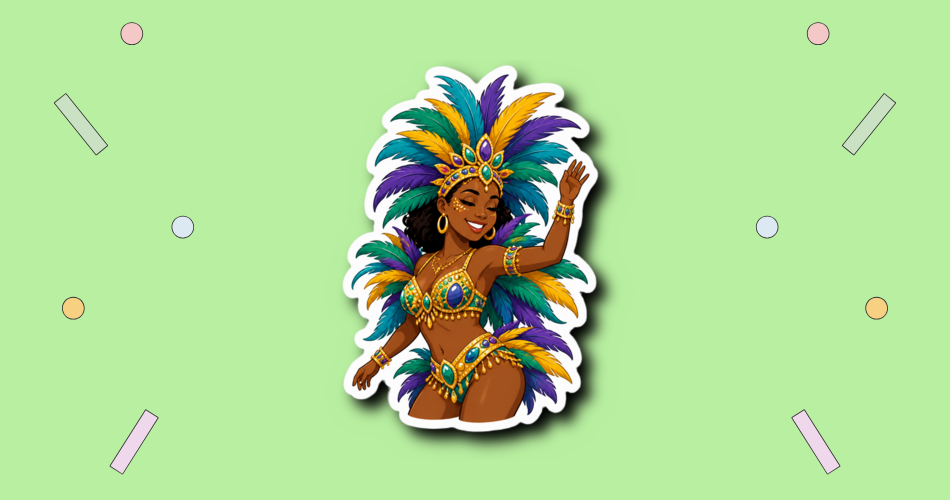
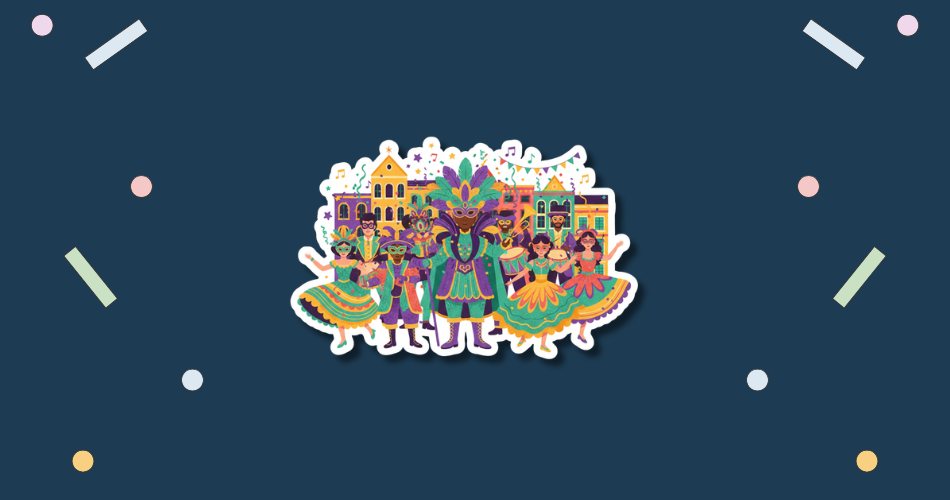
The Notting Hill Carnival is celebrated annually on the last Saturday of August. In 2027, this date falls on August 28. The carnival continues through the following Monday, which is the August Bank Holiday, and draws millions to the streets of west London for a vibrant celebration of Caribbean culture.
Contents
HT Meter
Does this day matter to you?
Tap the meter if it does, and say whether you will be celebrating — that is what opens the wishes from everybody else who will be.
This day matters to me
0 Be the first to say so
Just getting started
0 Let others know you’re in.
Wishes, greetings and stories
Join the celebration to share a wish, a greeting, or how this day goes in your house.
These are kept for the people celebrating this day. Say you will be celebrating to read them and to add your own.
You have already shared something here recently.
Nothing here yet. Yours would be the first.
History of Notting Hill Carnival
The Notting Hill Carnival traces its roots to the late 1950s, when Trinidadian activist Claudia Jones organized a Caribbean carnival indoors at St Pancras Town Hall in response to racial tensions. The first outdoor street festival in Notting Hill took place in 1966, organized by Rhaune Laslett as a community event to promote unity. Early participants included Russell Henderson’s steel band, and the event quickly grew into an annual tradition. Founders such as Leslie Palmer, Sam King, and Duke Vin shaped the carnival into a major cultural celebration, introducing sound systems, masquerade bands, and steel pan competitions.
By the 1970s, the carnival had become a defining feature of London’s summer, with organizers like Leslie Palmer securing sponsorship and expanding the route. Despite challenges including riots in 1976 and calls to cancel or relocate, the event endured. In 2022, after a two-year hiatus due to the pandemic, the carnival returned with a 72-second silence to honor the victims of the Grenfell Tower fire. Today, it is organized by Notting Hill Carnival Ltd and supported by local councils, attracting around two million visitors annually.
Why is Notting Hill Carnival important?
Notting Hill Carnival is a powerful expression of Caribbean heritage and a symbol of multicultural London. It brings together people of all backgrounds to celebrate through music, dance, and art, fostering community cohesion and pride. The event showcases the five disciplines of carnival: masquerade, calypso, soca, steelpan, and sound systems, preserving and promoting Caribbean traditions in the UK.
- It is one of the largest street festivals in Europe, drawing over two million attendees each year.
- The carnival highlights the contributions of the Windrush generation and their descendants to British society.
- It provides a platform for emerging artists, musicians, and costume designers from the Caribbean diaspora.
- The event generates significant economic impact, contributing millions to the London economy.
- Notting Hill Carnival has been recognized as an icon of England, reflecting its cultural significance.
How to Celebrate Notting Hill Carnival
Make it yours
How would you like to spend Notting Hill Carnival?
Tick what fits you, and we will put together ideas made for this day — not for any day.
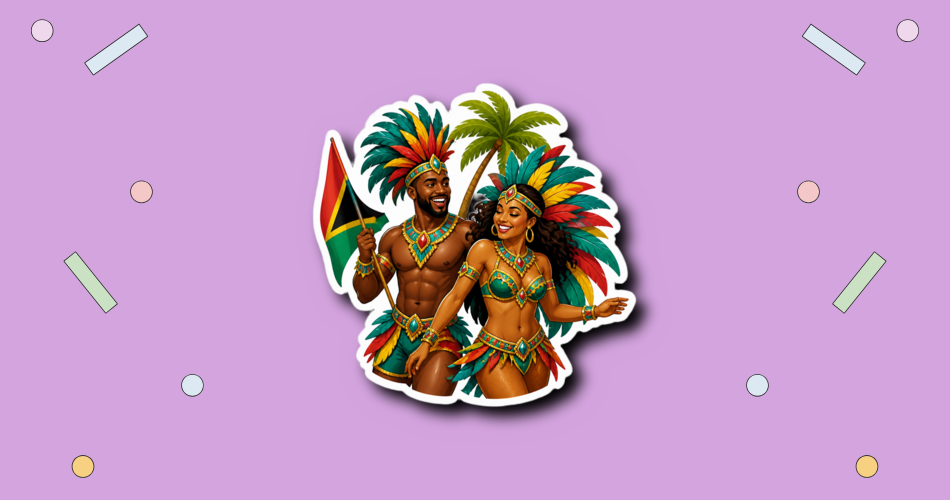
West Indian Day Parade
To experience the full spirit of Notting Hill Carnival, plan to attend the parade along the streets of Ladbroke Grove. The weekend begins with Panorama, a steelpan competition on Saturday, followed by Children’s Day on Sunday, and the main adult parade on Monday. Wear colorful costumes or comfortable clothing, and be prepared for large crowds and lively music from mas bands, Brazilian bands, and dozens of sound systems.
- Join the parade as a participant or spectator, dancing along the route to soca, reggae, and calypso.
- Sample Caribbean street food from the many stalls, including jerk chicken, curry goat, and fried plantains.
- Listen to live steel pan bands and enjoy the intricate masquerade costumes.
- Support local businesses and vendors in the area during the event.
- Use public transport to reach the carnival, as roads are closed, and plan your journey with TfL travel advice.
Notting Hill Carnival Dates
| Year | Date | Day of the week |
|---|---|---|
| 2026 | August 29 | Saturday |
| 2027 next | August 28 | Saturday |
| 2028 | August 26 | Saturday |
| 2029 | August 25 | Saturday |
| 2030 | August 24 | Saturday |
Summer Bank Holiday (England and Wales)
Sorry to hear you didn't enjoy this article...
Help us make it better!