


National Uprising Day
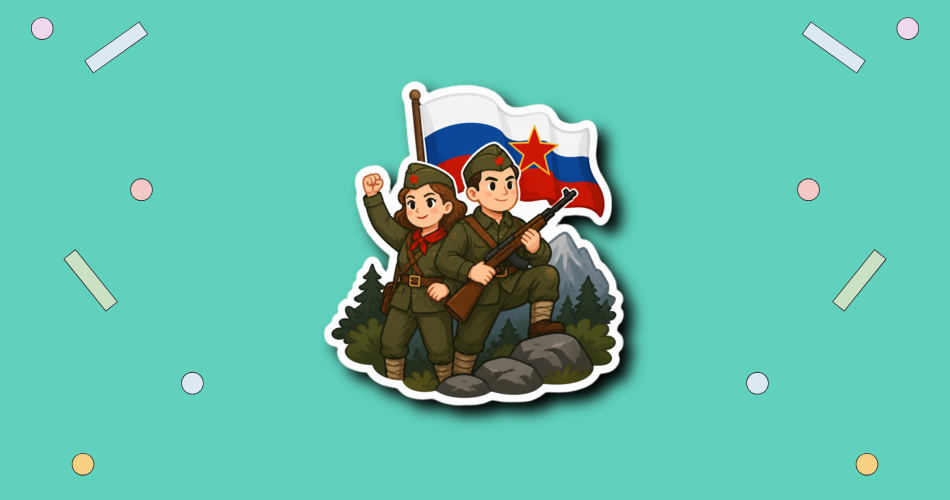
National Uprising Day is observed annually on August 29. In 2027, this date falls on a Sunday. This solemn day honors the courage of Slovenian partisans and civilians who rose up against Nazi occupation during World War II, a pivotal moment in the nation's fight for freedom.
Contents
HT Meter
Does this day matter to you?
Tap the meter if it does, and say whether you will be celebrating — that is what opens the wishes from everybody else who will be.
This day matters to me
0 Be the first to say so
Just getting started
0 Let others know you’re in.
Wishes, greetings and stories
Join the celebration to share a wish, a greeting, or how this day goes in your house.
These are kept for the people celebrating this day. Say you will be celebrating to read them and to add your own.
You have already shared something here recently.
Nothing here yet. Yours would be the first.
History of National Uprising Day
The origins of National Uprising Day trace back to August 29, 1941, when the Slovenian Liberation Front called for a general uprising against the Axis forces that had invaded Yugoslavia earlier that year. This date marks the beginning of organized resistance, with partisan units forming in the forests and mountains to wage guerrilla warfare. The uprising was a response to brutal occupation policies, including forced labor, deportations, and cultural suppression. Over the following years, Slovenian fighters, alongside other Yugoslav partisans, played a crucial role in liberating their homeland by May 1945.
After the war, the day was officially designated to commemorate the sacrifices of those who fought and died. It serves as a reminder of the collective struggle for self-determination and the resilience of the Slovenian people. The uprising is seen as a foundational event in modern Slovenian history, symbolizing the rejection of tyranny and the enduring spirit of resistance.
Why is National Uprising Day important?
National Uprising Day is a time to reflect on the immense human cost of war and the value of freedom. It honors the thousands of Slovenians who risked their lives to oppose Nazi rule, many of whom perished in concentration camps or on the battlefield. The day reinforces the importance of standing up against oppression, a lesson that remains relevant today.
Slovenia Independence and Unity Day
This observance also strengthens national identity and unity. By remembering the past, Slovenians reaffirm their commitment to democratic values and human rights. The uprising demonstrated that ordinary people can achieve extraordinary things when they unite for a just cause.
- Visit local memorials or monuments dedicated to the uprising, such as the Monument to the Uprising of the Slovenian People in Ljubljana.
- Attend commemorative ceremonies organized by veteran associations or municipal governments.
- Participate in educational events, including lectures or exhibitions at museums like the National Museum of Contemporary History.
- Observe a moment of silence at noon to honor the fallen.
- Read firsthand accounts or watch documentaries about the partisan struggle to deepen understanding.
How to Celebrate National Uprising Day
Make it yours
How would you like to spend National Uprising Day?
Tick what fits you, and we will put together ideas made for this day — not for any day.
Observing National Uprising Day involves quiet reflection and respectful participation. Many Slovenians lay wreaths at war memorials or light candles in remembrance. Schools often hold special lessons about the uprising, ensuring younger generations learn about this critical chapter. The day is marked with dignity, focusing on gratitude for the sacrifices made.
Communities also organize peaceful gatherings where survivors or historians share stories. These events emphasize the importance of preserving historical memory and preventing future atrocities. While not a festive occasion, the day fosters a sense of shared heritage and moral responsibility.
- Light a candle at home or at a local memorial in memory of the victims.
- Write a letter of thanks to a surviving veteran or their family.
- Share historical facts on social media using respectful hashtags.
- Donate to organizations that preserve partisan history or support war veterans.
- Read the names of fallen fighters aloud during a family gathering.
National Uprising Day Dates
| Year | Date | Day of the week |
|---|---|---|
| 2026 | August 29 | Saturday |
| 2027 next | August 29 | Sunday |
| 2028 | August 29 | Tuesday |
| 2029 | August 29 | Wednesday |
| 2030 | August 29 | Thursday |
Sorry to hear you didn't enjoy this article...
Sovereignty Day in Slovenia
Help us make it better!