


World Day for Cultural Diversity for Dialogue and Development
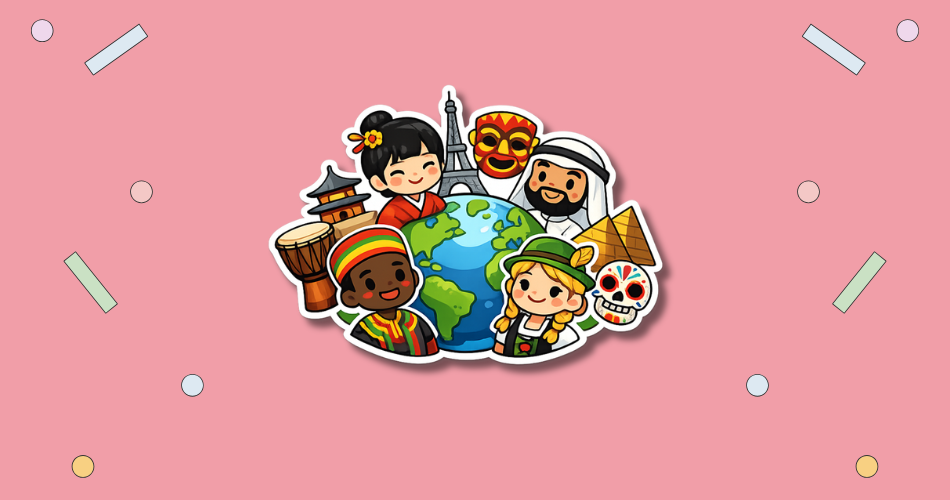
World Day for Cultural Diversity for Dialogue and Development is observed every year on May 21. In 2027, this date falls on a Friday. This United Nations observance focuses on cultural diversity, intercultural dialogue, peace, and sustainable development. It recognizes the richness of the world’s cultures while also pointing to the practical need for respect, inclusion, and cooperation across communities. Schools, cultural institutions, organizations, and individuals often use the day to learn about different traditions, support cultural expression, and open conversations across backgrounds. 1
Contents
HT Meter
Does this day matter to you?
Tap the meter if it does, and say whether you will be celebrating — that is what opens the wishes from everybody else who will be.
This day matters to me
0 Be the first to say so
Just getting started
0 Let others know you’re in.
Wishes, greetings and stories
Join the celebration to share a wish, a greeting, or how this day goes in your house.
These are kept for the people celebrating this day. Say you will be celebrating to read them and to add your own.
You have already shared something here recently.
Nothing here yet. Yours would be the first.
History of World Day for Cultural Diversity for Dialogue and Development
The observance grew out of international work on culture, dialogue, and development in the early 2000s. In 2001, UNESCO adopted the Universal Declaration on Cultural Diversity, which framed cultural diversity as a shared human value and connected it with peaceful coexistence and development. The United Nations General Assembly then declared May 21 as World Day for Cultural Diversity for Dialogue and Development in 2002. The first observances followed as governments, institutions, educators, and cultural organizations began using the date to focus attention on diversity and dialogue.
The day is now closely connected with the idea that culture is not separate from development. Languages, arts, heritage, creative industries, beliefs, customs, and everyday forms of expression all shape how people live, work, communicate, and solve problems. The observance also connects with the broader view that sustainable development depends on participation, respect for cultural rights, and fair access to cultural life. In that sense, the day is not only about recognizing difference, but also about making sure communities can contribute fully to social, cultural, and economic life.
Why is World Day for Cultural Diversity for Dialogue and Development important?
Cultural diversity affects daily life in direct ways, from classrooms and workplaces to neighborhoods, public services, art, media, and civic life. When people understand more about one another’s languages, histories, and customs, communication becomes easier and stereotypes are harder to sustain. The day gives communities a reason to look at whose voices are heard, whose stories are missing, and where better dialogue is needed. It also supports the idea that cultural participation is part of a fair and healthy society.
World Day of Culture
The observance matters because culture is tied to peace, dignity, and development. Creative work and cultural heritage can strengthen local identity, support livelihoods, and help people feel rooted in a changing world. Intercultural dialogue can also reduce fear and division by giving people practical ways to listen, ask questions, and work together. In schools and community settings, the day can turn a broad global idea into everyday learning through books, music, food, language, history, and conversation.
- It promotes respect for different cultural identities.
- It supports dialogue across communities and generations.
- It connects culture with peace and sustainable development.
- It encourages wider access to cultural life.
- It helps people learn beyond their own experience.
How to Celebrate World Day for Cultural Diversity for Dialogue and Development
Make it yours
How would you like to spend World Day for Cultural Diversity for Dialogue and Development?
Tick what fits you, and we will put together ideas made for this day — not for any day.
Read a book in translation, watch a film from another country, visit a cultural exhibition, or listen to music rooted in a tradition you do not know well. Schools can plan lessons around languages, migration stories, traditional arts, cultural heritage, or the role of culture in sustainable development. Workplaces and community groups can invite people to share stories, recommend artists, or discuss how inclusion can be more than a slogan. The best activities are respectful, specific, and focused on learning rather than treating cultures as costumes or decorations.
A thoughtful celebration also looks close to home. Learn about the cultural communities in your town or city, support local artists and cultural organizations, or attend a public event led by people from that community. Families can cook a dish connected to their own background and talk about where it came from, or explore a new recipe while learning its context. The day is most useful when it leads to better listening, more accurate understanding, and continued respect after May 21 has passed.
- Visit a museum or cultural center.
- Read work by an author from another culture.
- Learn greetings in a different language.
- Support a local cultural event or artist.
- Discuss family traditions and where they began.
World Day for Cultural Diversity for Dialogue and Development Dates
| Year | Date | Day of the week |
|---|---|---|
| 2026 | May 21 | Thursday |
| 2027 next | May 21 | Friday |
| 2028 | May 21 | Sunday |
| 2029 | May 21 | Monday |
| 2030 | May 21 | Tuesday |
Sorry to hear you didn't enjoy this article...

World Development Information Day
Help us make it better!