

World Music Therapy Day
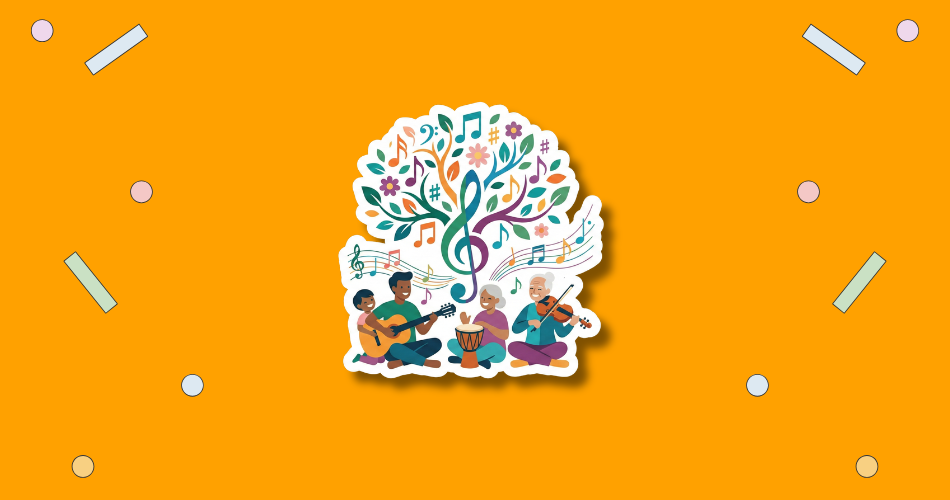
World Music Therapy Day is observed on March 1. In 2027, this date falls on a Monday. This day celebrates the clinical and evidence-based use of music interventions to accomplish individualized goals within a therapeutic relationship. It recognizes the power of music not just as entertainment, but as a sophisticated tool for improving mental health, cognitive function, and physical rehabilitation across all age groups.
Contents
HT Meter
Does this day matter to you?
Tap the meter if it does, and say whether you will be celebrating — that is what opens the wishes from everybody else who will be.
This day matters to me
0 Be the first to say so
Just getting started
0 Let others know you’re in.
Wishes, greetings and stories
Join the celebration to share a wish, a greeting, or how this day goes in your house.
These are kept for the people celebrating this day. Say you will be celebrating to read them and to add your own.
You have already shared something here recently.
Nothing here yet. Yours would be the first.
History of World Music Therapy Day
The origins of World Music Therapy Day are tied to the World Federation of Music Therapy (WFMT), an international non-profit organization founded in 1985 in Genoa, Italy. The federation established the official day to promote the profession globally and to foster cooperation between music therapy organizations in different countries. The date of March 1 was chosen to align with the start of the month, serving as a vibrant kickoff for advocacy efforts.
While the professional organization is modern, the concept of using music for healing is ancient, dating back to the writings of Aristotle and Plato. However, the formal profession began to take shape after World War I and World War II. Community musicians visited veteran hospitals to play for those suffering from physical and emotional trauma. Seeing the notable improvement in patients’ responsiveness, doctors began hiring musicians to work as part of the medical team, leading to the creation of the first college music therapy degree program at Michigan State University in 1944.
Why is World Music Therapy Day important?
This day is significant because it highlights music therapy as a science-backed healthcare profession. Unlike casual listening, music therapy involves a credentialed professional who uses specific techniques—such as lyric analysis, songwriting, and rhythmic entrainment—to address complex issues like speech recovery after a stroke, pain management in oncology, or social skills development in children with autism.
World Day of Music
The observance also serves to educate the public on the neurological impact of music. Research has shown that music can activate almost every part of the brain, including areas responsible for emotion, memory, and motor control. By bringing these facts to light, World Music Therapy Day encourages hospitals, schools, and nursing homes to integrate music therapy into their standard care plans. It advocates for increased access to services and supports the rigorous training and certification standards required for therapists to practice.
- Music therapy can help restore speech in patients with aphasia through melodic intonation.
- It is used in neonatal intensive care units (NICU) to help premature babies regulate their heart rates.
- The day promotes the use of music to improve quality of life for those living with dementia.
- Awareness helps secure funding for music therapy programs in public schools and hospices.
- The holiday celebrates the unique bond formed between a therapist and client through sound.
How to Celebrate World Music Therapy Day
Make it yours
How would you like to spend World Music Therapy Day?
Tick what fits you, and we will put together ideas made for this day — not for any day.
Celebrating this day often involves supporting the work of local music therapists through advocacy or attendance at community workshops. Many therapists host “open house” sessions or webinars where they demonstrate instruments and explain how different musical elements, like tempo and harmony, are used to achieve specific health outcomes. It is an ideal time to learn about the requirements for becoming a Board-Certified Music Therapist (MT-BC) if you or someone you know is interested in a career in the healing arts.
On social media, supporters share videos of music therapy in action and personal testimonials about how the practice has impacted their lives using the hashtag #WorldMusicTherapyDay. You can also celebrate by curated a “therapeutic playlist” for yourself or a loved one, focusing on songs that evoke positive memories or promote relaxation. For those in healthcare administration, the day provides an opportunity to review the benefits of adding a music therapy program to their facility’s offerings, ensuring that more patients can benefit from this creative approach to wellness.
- Attend a local lecture or virtual presentation about the benefits of music therapy.
- Share a story on social media about how music has helped you through a difficult time.
- Donate to a non-profit that provides music therapy services to underserved communities.
- Reach out to a music therapist to thank them for their specialized care and dedication.
- Explore the different “modalities” of music therapy, such as Nordoff-Robbins or the Bonny Method.
World Music Therapy Day Dates Table
| Year | Date | Day |
|---|---|---|
| 2026 | March 1 | Sunday |
| 2027 | March 1 | Monday |
| 2028 | March 1 | Wednesday |
| 2029 | March 1 | Thursday |
| 2030 | March 1 | Friday |
Sorry to hear you didn't enjoy this article...
International Music Day
Help us make it better!