
Ghana Republic Day
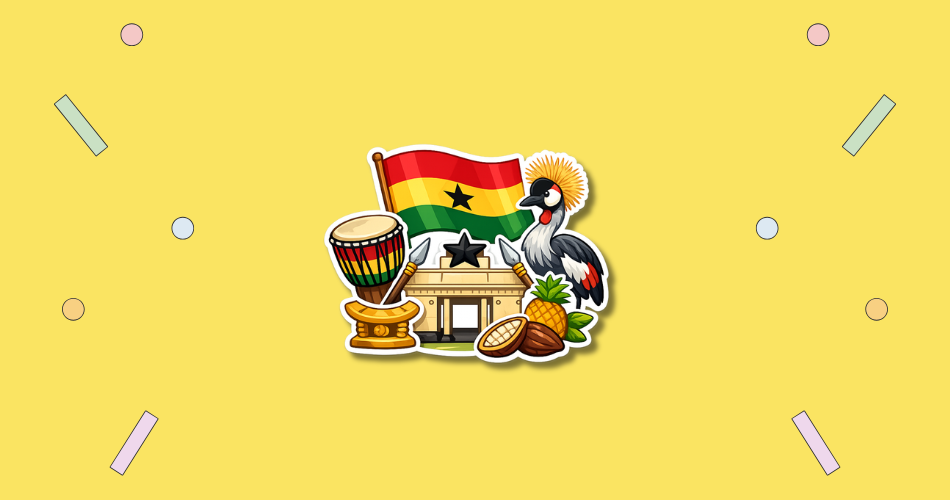
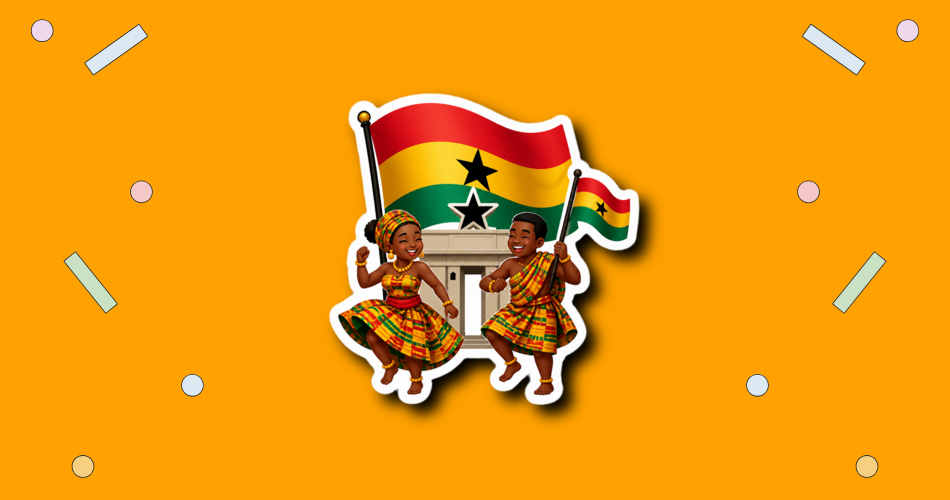
Ghana Republic Day is observed every year on July 1. In 2027, this date falls on a Thursday. The day marks Ghana’s transition from an independent Commonwealth country with the British monarch as head of state to a republic with its own president. It is a national historical observance tied to sovereignty, constitutional government, and the early leadership of Dr. Kwame Nkrumah. In some years, the public holiday may be observed on a nearby weekday, but the anniversary itself remains July 1. 1
Contents
See also: Ghana Independence Day, Constitution Day in Ghana
HT Meter
Does this day matter to you?
Say that it does, and say whether you will be marking it. Both are anonymous to nobody but kind to everybody.
This day matters to me
0 Be the first to say so
Quietly remembered
0 Nobody has said so yet
Notes of remembrance
Join those marking this day to share a word, a memory, or the reason it matters to you.
These notes are kept for the people marking this day. Say you will be marking it to read them and to leave your own.
You have already shared a note here recently.
No notes yet. Yours would be the first.
History of Ghana Republic Day
Ghana gained independence from British colonial rule on March 6, 1957, becoming the first sub-Saharan African country to do so. At independence, Ghana had Dr. Kwame Nkrumah as Prime Minister, while the British monarch remained head of state. On July 1, 1960, Ghana adopted a new constitution that changed the country from a parliamentary system with a prime minister to a republican form of government headed by a president. Dr. Kwame Nkrumah became Ghana’s first president, making the date a major constitutional milestone.
Ghana Independence Day
Republic Day looks beyond the legal change of 1960 and points to Ghana’s effort to define its own political identity after independence. The day is connected with national sovereignty, citizenship, and the country’s place in the wider story of African self-government. It has also been associated with honoring senior citizens, recognizing older Ghanaians whose lives and service helped shape the nation. In 2026, the anniversary date remained July 1, while the public holiday was declared for July 3.
Why is Ghana Republic Day important?
Ghana Republic Day is important because it marks the moment Ghana completed a key step in its post-independence constitutional journey. Independence in 1957 ended colonial rule, but the republican change in 1960 replaced the remaining monarchical structure with a Ghanaian presidency. That shift gave the country a head of state chosen through its own political process. The day helps explain why constitutional identity matters, not only as a legal arrangement but as a statement of national self-determination.
The observance also gives Ghanaians a way to reflect on leadership, citizenship, and public responsibility. Ghana’s history after 1960 included military governments, civilian administrations, and the eventual establishment of the Fourth Republic under the 1992 Constitution. Republic Day can therefore be understood as part of a larger national conversation about democracy, stability, and the rights and duties of citizens. Its connection with senior citizens adds a human dimension by honoring people whose memories and contributions link the present to earlier stages of nation-building.
- It marks Ghana’s change to republican government.
- It connects independence with constitutional development.
- It honors a defining moment in African self-rule.
- It recognizes the role of citizenship in national life.
- It keeps Ghana’s political history visible for younger generations.
How to Observe Ghana Republic Day
Make it yours
How would you like to spend Ghana Republic Day?
Tick what fits you, and we will put together ideas made for this day — not for any day.
Constitution Day in Ghana
Read about Ghana’s independence period, the 1960 Constitution, and the role of Dr. Kwame Nkrumah in the country’s early republican government. Families and schools can use the day to discuss what it means for a nation to choose its own head of state and write its own constitutional path. Public programs, civic talks, media features, and community gatherings can also help place the anniversary in context. For Ghanaians abroad, the day can be marked by sharing history, music, food, and stories that connect them to home.
A thoughtful observance can also include respect for older people who lived through or inherited memories of Ghana’s early years as an independent nation. Ask a parent, grandparent, teacher, or community elder about the changes they have seen in Ghana’s public life. Local groups can organize intergenerational conversations, history readings, or service activities that honor both the republic and the people who helped build it. The day is strongest when it connects national pride with careful memory and civic responsibility.
- Read a short history of Ghana’s First Republic.
- Discuss the meaning of republican government.
- Thank an older Ghanaian for their service or guidance.
- Watch a documentary or interview about Ghana’s independence era.
- Share a respectful message about citizenship and national unity.
Ghana Republic Day Dates
| Year | Date | Day |
|---|---|---|
| 2026 | July 1 | Wednesday |
| 2027 | July 1 | Thursday |
| 2028 | July 1 | Saturday |
| 2029 | July 1 | Sunday |
| 2030 | July 1 | Monday |