


American Indian Day
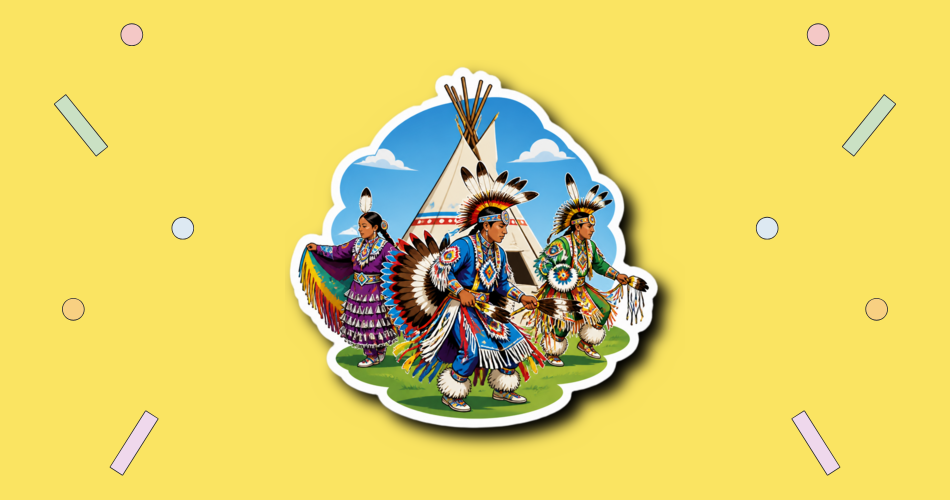
American Indian Day is celebrated on the fourth Friday of September. In 2027, this date falls on September 24. This day honors the rich heritage, diverse cultures, and significant contributions of Native Americans to the United States. Communities across several states hold events such as powwows, feasts, and dances, while schools often incorporate lessons about Native American history and traditions into their curriculum.
Contents
HT Meter
Does this day matter to you?
Tap the meter if it does, and say whether you will be celebrating — that is what opens the wishes from everybody else who will be.
This day matters to me
0 Be the first to say so
Just getting started
0 Let others know you’re in.
Wishes, greetings and stories
Join the celebration to share a wish, a greeting, or how this day goes in your house.
These are kept for the people celebrating this day. Say you will be celebrating to read them and to add your own.
You have already shared something here recently.
Nothing here yet. Yours would be the first.
History of American Indian Day
The movement to recognize Native Americans with a dedicated day began in the early 20th century. In 1939, California Governor Culbert Olson declared October 1 as "Indian Day," making California the first state to officially honor this holiday. This early recognition laid the groundwork for broader observance. In 1968, California Governor Ronald Reagan signed a resolution establishing American Indian Day on the fourth Friday of September, shifting the date to its current placement.
California later made the day an official state holiday in 1998 through Assembly Bill 1953. Other states followed California's lead. Nevada declared the fourth Friday of September as Native American Day in 1997. Tennessee established American Indian Day on the fourth Monday of September in 1994. South Dakota changed Columbus Day to Native American Day in 1990, observed on the second Monday of October. These state-level actions reflect a growing recognition of Native American heritage and the need to honor it with a formal observance.
Why is American Indian Day important?
American Indian Day provides an opportunity to acknowledge the profound and often overlooked contributions of Native Americans to the nation's history, culture, and society. It serves as a counterpoint to narratives that have historically marginalized or misrepresented Indigenous peoples. The day encourages a more accurate and respectful understanding of the diverse tribal nations that have inhabited this land for millennia.
Native American Day
This observance also highlights the ongoing struggles and resilience of Native American communities. It brings attention to issues such as sovereignty, cultural preservation, and the fight against stereotypes. By dedicating a day to Native American heritage, states and communities commit to education and dialogue that can foster greater understanding and reconciliation between Indigenous and non-Indigenous people.
- It recognizes the historical and contemporary contributions of Native Americans to art, music, literature, and governance.
- It promotes awareness of the unique cultures, languages, and traditions of over 570 federally recognized tribes.
- It provides a platform for Native American voices to share their stories and perspectives.
- It encourages schools to teach accurate and comprehensive histories of Indigenous peoples.
- It fosters a sense of pride and identity within Native American communities.
How to Celebrate American Indian Day
Make it yours
How would you like to spend American Indian Day?
Tick what fits you, and we will put together ideas made for this day — not for any day.
Celebrating American Indian Day can involve attending public events such as powwows, which feature traditional dancing, drumming, and regalia. Many communities host feasts that showcase Indigenous cuisine, offering a taste of traditional foods like fry bread, wild rice, and Three Sisters stew. These gatherings are vibrant expressions of cultural pride and are often open to the public, providing a welcoming space for learning and participation.
Individuals can also celebrate by educating themselves and others about Native American history and contemporary issues. Reading books by Native American authors, watching documentaries, or visiting museums and cultural centers that focus on Indigenous heritage are meaningful ways to observe the day. Supporting Native-owned businesses and artists is another powerful way to honor the day, contributing to the economic and cultural vitality of Native communities.
- Attend a local powwow or cultural festival to experience traditional music, dance, and art.
- Prepare and share a meal featuring Indigenous ingredients and recipes.
- Read a book or watch a film by a Native American author or filmmaker.
- Visit a museum or cultural center dedicated to Native American history.
- Support Native American artists, craftspeople, and businesses by purchasing their work.
American Indian Day Dates
| Year | Date | Day of the week |
|---|---|---|
| 2026 | September 25 | Friday |
| 2027 next | September 24 | Friday |
| 2028 | September 22 | Friday |
| 2029 | September 28 | Friday |
| 2030 | September 27 | Friday |
Sorry to hear you didn't enjoy this article...
Native American Heritage Day
Help us make it better!