
Michigan Indian Day
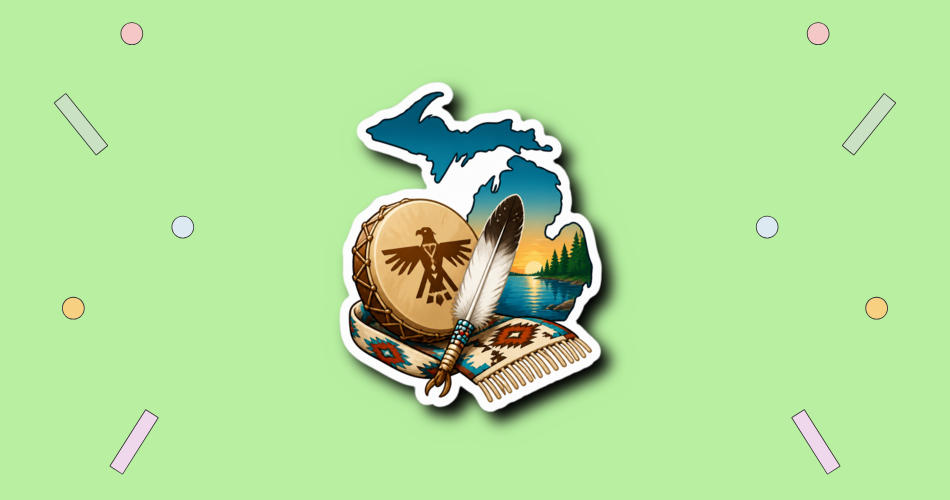
Michigan Indian Day is observed annually on the fourth Friday of September. In 2027, this date falls on September 24. This day recognizes the enduring legacy, contributions, and achievements of Native Americans in the state of Michigan. It serves as a time for reflection, education, and celebration of the diverse indigenous cultures that have shaped the region for centuries.
Contents
HT Meter
Does this day matter to you?
Tap the meter if it does, and say whether you will be celebrating — that is what opens the wishes from everybody else who will be.
This day matters to me
0 Be the first to say so
Just getting started
0 Let others know you’re in.
Wishes, greetings and stories
Join the celebration to share a wish, a greeting, or how this day goes in your house.
These are kept for the people celebrating this day. Say you will be celebrating to read them and to add your own.
You have already shared something here recently.
Nothing here yet. Yours would be the first.
History of Michigan Indian Day
Michigan Indian Day traces its origins to 1974 when the Michigan State Legislature officially designated the fourth Friday of September as a day to honor the state's Native American heritage. The designation grew out of a broader national movement during the 1960s and 1970s that sought greater recognition and respect for Indigenous peoples. Activists and tribal leaders in Michigan pushed for a formal acknowledgment, aiming to counteract centuries of erasure and to highlight the rich history of tribes such as the Ojibwe, Odawa, and Potawatomi. Over the years, the day has become a focal point for cultural preservation and education across the state.
The date was chosen to coincide with the end of summer and the harvest season, a time traditionally significant for many Native communities. Michigan is home to twelve federally recognized tribes, and their histories are deeply intertwined with the Great Lakes region. From the Anishinaabe creation stories tied to Mackinac Island to the thriving fur trade networks established long before European contact, Indigenous peoples have left an indelible mark on Michigan's identity. Michigan Indian Day provides an opportunity to learn about these pre-colonial histories and the ongoing resilience of tribal nations.
Why is Michigan Indian Day important?
This day underscores the often-overlooked contributions of Native Americans to Michigan's economy, culture, and governance. Indigenous knowledge in areas like sustainable agriculture, medicinal plants, and environmental stewardship has shaped the state's natural landscape and continues to influence modern practices. Michigan Indian Day also highlights the sovereignty of tribal nations, reminding non-Native residents that these are distinct governments with their own laws, treaties, and rights. Without such recognition, the narrative of Michigan's history would remain incomplete.

National Michigan Day
Beyond historical acknowledgment, Michigan Indian Day serves as a platform to address contemporary issues facing Native communities. These include disparities in healthcare, education, and economic opportunity, as well as the fight to protect sacred sites and natural resources. The day encourages dialogue between tribes and state institutions, fostering partnerships that benefit all Michiganders. It also instills pride among Native youth, who see their heritage celebrated publicly.
- Preserves and promotes the languages, traditions, and oral histories of Michigan's twelve federally recognized tribes.
- Challenges stereotypes by presenting accurate, diverse portrayals of Indigenous life, past and present.
- Supports Native-owned businesses and artists, boosting economic visibility.
- Encourages non-Native citizens to learn about tribal sovereignty, treaties, and the ongoing effects of colonization.
- Strengthens community bonds through shared cultural events, from powwows to storytelling sessions.
How to Celebrate Michigan Indian Day
Make it yours
How would you like to spend Michigan Indian Day?
Tick what fits you, and we will put together ideas made for this day — not for any day.
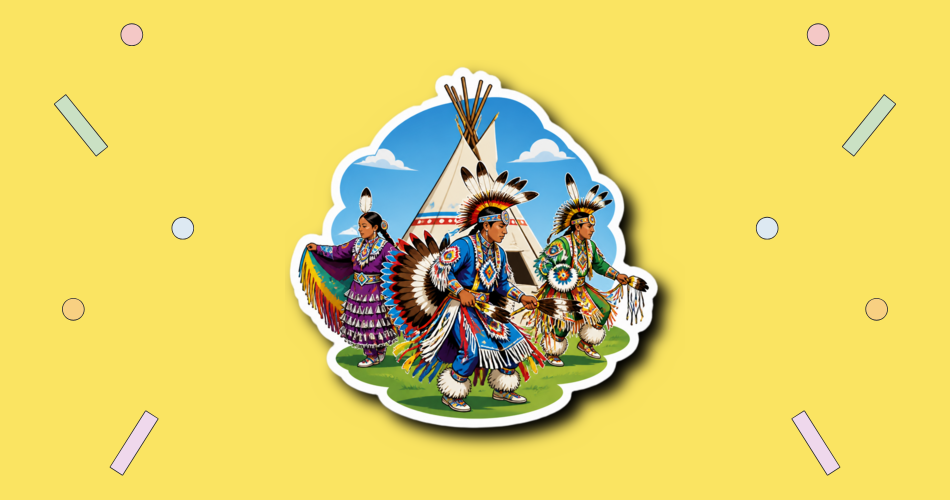
Attend a local powwow or cultural festival hosted by a Michigan tribe. Many communities open their doors to the public with dance demonstrations, drumming circles, and traditional crafts. These events offer immersive experiences that go beyond textbook learning. Before attending, familiarize yourself with proper etiquette, such as asking permission before taking photographs and respecting sacred spaces. Participating in such gatherings directly supports cultural preservation.
Visit one of Michigan's many Native American museums or heritage centers, such as the Ziibiwing Center in Mount Pleasant or the Little Traverse Bay Bands Museum in Harbor Springs. These institutions provide deep dives into Anishinaabe history, treaties, and contemporary life. For those who cannot travel in person, explore online exhibits or virtual curator talks offered by these organizations. Another meaningful way to celebrate is by reading books by Native authors from Michigan, such as Louise Erdrich's novels set in the state, or by watching films from Indigenous filmmakers.
- Support Indigenous cuisine by ordering from Native-owned restaurants or trying traditional recipes like fry bread, wild rice, and three sisters stew.
- Learn a few words in Anishinaabemowin, the language of the Ojibwe, through apps or online classes.
- Purchase art, jewelry, or clothing directly from Native artists at fairs or online marketplaces.
- Attend a lecture or panel discussion on tribal history, environmental justice, or language revitalization.
- Volunteer with organizations that serve Native communities, such as the American Indian Health and Family Services of Michigan.
Michigan Indian Day Dates
| Year | Date | Day of the week |
|---|---|---|
| 2026 | September 25 | Friday |
| 2027 next | September 24 | Friday |
| 2028 | September 22 | Friday |
| 2029 | September 28 | Friday |
| 2030 | September 27 | Friday |
Sorry to hear you didn't enjoy this article...
Native American Day
Help us make it better!