


Cornelia De Lange Syndrome Awareness Day
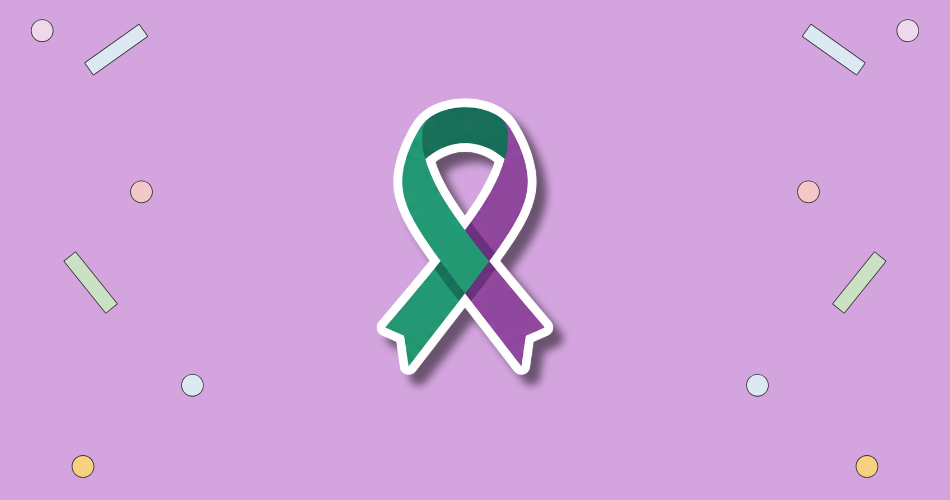
Cornelia De Lange Syndrome Awareness Day is observed on the second Saturday of May. In 2026, it falls on May 9. This global health observance aims to educate the public about Cornelia de Lange Syndrome (CdLS), a rare genetic condition that affects physical and cognitive development. By dedicating a day to this cause, advocates hope to improve early diagnosis rates and foster a more inclusive environment for those living with the syndrome. 1
Contents
See also: Rare Disease Day, Undiagnosed Day, Bohring-Opitz Syndrome Day, World Down Syndrome Day, Moebius Syndrome Awareness Day
HT Meter
Does this day matter to you?
Say that it does, and say whether you will be marking it. Both are anonymous to nobody but kind to everybody.
This day matters to me
0 Be the first to say so
First voices
0 Nobody has said so yet
Notes of remembrance
Join those marking this day to share a word, a memory, or the reason it matters to you.
These notes are kept for the people marking this day. Say you will be marking it to read them and to leave your own.
You have already shared a note here recently.
No notes yet. Yours would be the first.
History of Cornelia De Lange Syndrome Awareness Day
The condition was first described in medical literature by Dr. W. Brachmann in 1916, but it is named after Dr. Cornelia de Lange, a Dutch pediatrician. In 1933, she identified and described the specific collection of symptoms in two young children, providing a more comprehensive clinical picture of the disorder. Her detailed observations laid the groundwork for modern understanding and diagnostics, which is why the condition is often referred to as CdLS.

International MPS Awareness Day
The official awareness day was established in 1989 by the CdLS Foundation to address the lack of public and medical knowledge surrounding the syndrome. Since its inception, the foundation has worked to transition the event from a local effort to an international campaign. The timing of the holiday on the second Saturday of May was chosen to provide a consistent annual moment for families, medical professionals, and volunteers to unite in their advocacy efforts and share the latest research findings.
Why is Cornelia De Lange Syndrome Awareness Day important?
The syndrome is often misdiagnosed or recognized late due to its rarity, which can delay essential medical and developmental support. Increasing awareness ensures that healthcare providers are better equipped to identify the distinctive facial features, growth delays, and limb differences associated with the condition. Early intervention is critical for managing the various health challenges, such as digestive issues and hearing loss, that individuals with CdLS frequently face.
Beyond medical diagnostics, the day serves as a vital connection point for families who may feel isolated by the rarity of the disorder. It creates a global network where parents and caregivers can share resources, coping strategies, and stories of resilience. By highlighting the lives of those with CdLS, the holiday promotes the idea that every individual deserves a high quality of life and access to the specialized therapies that allow them to reach their full potential.
- It helps medical professionals recognize symptoms for faster diagnosis.
- The day reduces the social isolation felt by families of children with rare diseases.
- It raises funds for genetic research to find more effective treatments.
- The holiday encourages the development of better educational resources for patients.
- It promotes a message of inclusion and acceptance in local communities.
How to Observe Cornelia De Lange Syndrome Awareness Day
Make it yours
How would you like to spend Cornelia De Lange Syndrome Awareness Day?
Tick what fits you, and we will put together ideas made for this day — not for any day.

Congenital Diaphragmatic Hernia Action Day
Educating others is a practical way to participate in the day’s activities. Many supporters use social media to share “fast facts” about the syndrome or change their profile pictures to include awareness ribbons. In-person gatherings, such as “Awareness Day Picnics” or local walks, allow community members to show their support and meet families directly impacted by the condition. Wearing purple, often associated with the cause, is a simple visual way to spark conversations.
Supporting the organizations that provide 24-hour help and information is another meaningful way to observe the day. Financial donations to non-profit foundations go directly toward funding family service programs and medical research. Schools and workplaces can also get involved by hosting short presentations or distributing flyers that explain what CdLS is and how it affects those who have it. These efforts help dismantle stereotypes and build a more empathetic society.
- Wear purple clothing to show your solidarity with the CdLS community.
- Share an educational post on social media using official campaign hashtags.
- Donate to a non-profit organization that provides support to affected families.
- Host a small fundraising event like a bake sale or a community walk.
- Request an official awareness day proclamation from your local government leaders.
Cornelia De Lange Syndrome Awareness Day Dates Table
| Year | Date | Day of the week |
|---|---|---|
| 2026 | May 9 | Saturday |
| 2027 next | May 8 | Saturday |
| 2028 | May 13 | Saturday |
| 2029 | May 12 | Saturday |
| 2030 | May 11 | Saturday |