


National Butterscotch Brownie Day
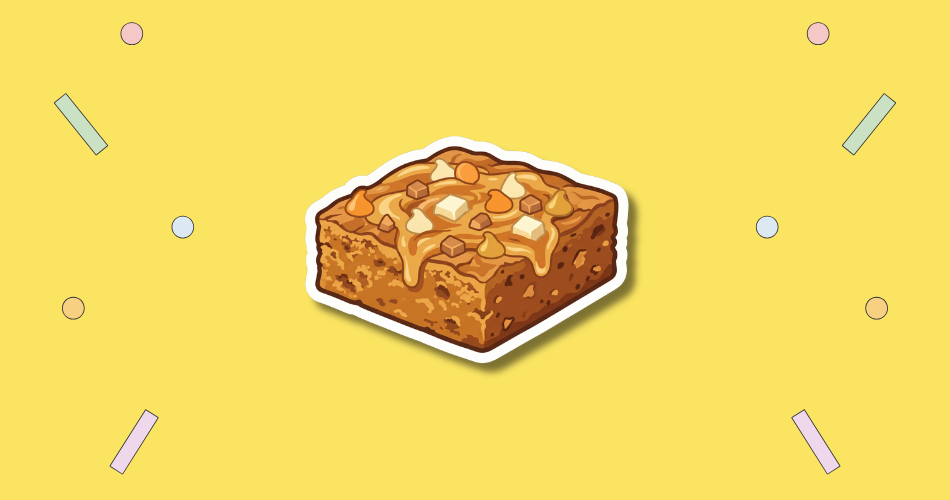
National Butterscotch Brownie Day is observed on May 9. In 2027, this date falls on a Sunday. This food holiday celebrates a specific type of dessert bar that focuses on the rich, toasted flavors of brown sugar and butter rather than cocoa. While often used interchangeably with the term “blondie,” butterscotch brownies are distinct for their deep caramel-like notes and chewy texture.
Contents
See also: National Brownie Day, National Blonde Brownie Day, National Cream Cheese Brownie Day
HT Meter
Does this day matter to you?
Tap the meter if it does, and say whether you will be celebrating — that is what opens the wishes from everybody else who will be.
This day matters to me
0 Be the first to say so
Just getting started
0 Let others know you’re in.
Wishes, greetings and stories
Join the celebration to share a wish, a greeting, or how this day goes in your house.
These are kept for the people celebrating this day. Say you will be celebrating to read them and to add your own.
You have already shared something here recently.
Nothing here yet. Yours would be the first.
History of National Butterscotch Brownie Day
The origins of butterscotch brownies predate the modern chocolate brownie. The first recorded recipe for a “brownie” appeared in the 1896 Boston Cooking-School Cook Book by Fannie Farmer, but it did not contain any chocolate. Instead, this early version was flavored with molasses and resembled what we now call a blondie or butterscotch brownie. It took nearly another decade for chocolate versions to become the standard, which eventually led to the original recipe being renamed to distinguish it from its darker counterpart.

National I Want Butterscotch Day
The specific name “butterscotch brownie” likely gained momentum in the early 20th century as bakers substituted molasses with brown sugar and butter—the primary components of butterscotch candy. This transition created a milder, more buttery dessert. By the 1930s, when butterscotch chips were introduced to the market, the definition expanded to include bars that featured these chips as a primary ingredient. National Butterscotch Brownie Day was established to recognize this specific branch of the dessert family and its place in American baking history.
Why is National Butterscotch Brownie Day important?
This day highlights the versatility of dessert bars and the science of flavor. Unlike chocolate brownies, which rely on the intensity of cocoa, butterscotch brownies rely on the Maillard reaction—the browning of sugars and proteins—to achieve their complexity. This holiday encourages people to appreciate how simple pantry staples like butter and brown sugar can create a sophisticated flavor profile that stands on its own without the need for chocolate.
The holiday also serves as a celebration of culinary evolution. It reminds us that recipes are not static and often change names as new ingredients become popular. By focusing on the butterscotch variant, the day helps preserve traditional baking techniques that might otherwise be overshadowed by more ubiquitous chocolate treats. It provides a unique opportunity for those who prefer vanilla and caramel flavors to have a dedicated moment of recognition in the dessert world.
- It honors one of the oldest styles of American dessert bars.
- The day promotes the use of traditional brown sugar and butter recipes.
- It highlights the historical transition from molasses to butterscotch flavors.
- The holiday encourages bakers to experiment with different textures and mix-ins.
- It provides a designated occasion for fans of non-chocolate desserts to celebrate.
How to Celebrate National Butterscotch Brownie Day
Make it yours
How would you like to spend National Butterscotch Brownie Day?
Tick what fits you, and we will put together ideas made for this day — not for any day.

National Butterscotch Pudding Day
The most practical way to observe the day is to bake a fresh batch of these bars at home. A classic recipe focuses on creamed butter, dark brown sugar, and vanilla to ensure a chewy, dense consistency. For added texture, many people include chopped walnuts or pecans, while others lean into the name by adding a bag of butterscotch chips to the batter. The key is to avoid overbaking so the center remains soft and fudge-like.
Sharing these treats with others is another popular way to mark the occasion. Bringing a tray of butterscotch brownies to the office or a local community gathering can introduce others to a dessert they might usually overlook in favor of chocolate. You can also visit a local bakery to see if they have a specialty version available, as many shops offer limited-edition flavors or toppings like sea salt or caramel drizzle specifically for this day.
- Bake a homemade batch using high-quality butter and dark brown sugar.
- Add butterscotch chips or toffee bits to your recipe for extra flavor.
- Gift a box of freshly baked bars to a friend or neighbor.
- Host a small taste test to compare different recipes and textures.
- Share a photo of your favorite butterscotch brownie on social media.
Simple Butterscotch Brownies recipe
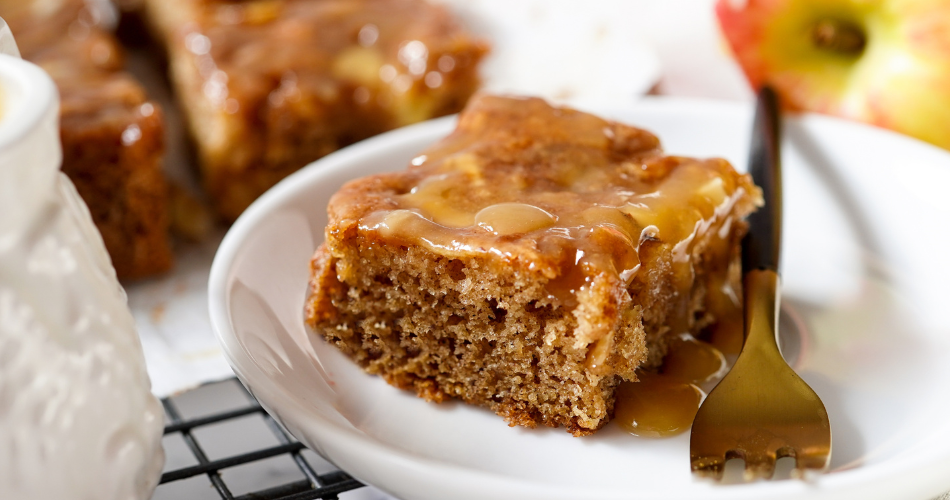
These chewy, caramel-like bars are incredibly easy to make because they don’t require a mixer.
Ingredients
- 1/2 cup (115g) Unsalted butter, melted
- 1 cup (200g) Brown sugar, packed (dark brown sugar adds more molasses flavor)
- 1 Large egg, room temperature
- 1 tsp Vanilla extract
- 1 cup (125g) All-purpose flour
- 1/4 tsp Salt
- 1/2 cup Butterscotch chips (plus extra for topping)
Instructions
- Prep the Oven and Pan
Preheat your oven to 350°F (175°C). Grease an 8×8 inch baking pan or line it with parchment paper, leaving an overhang on the sides for easy removal. - In a medium bowl, whisk the melted butter and brown sugar together until smooth and well combined.
- Add Wet Ingredients
Stir in the egg and vanilla extract. Whisk vigorously for about one minute until the mixture looks shiny. - Incorporate Dry Ingredients
Gently fold in the flour and salt using a spatula. Mix just until no streaks of flour remain. Do not overmix, or the brownies will be tough. - Stir in the butterscotch chips.
- pread the batter evenly into the prepared pan. Bake for 20–25 minutes. The edges should be golden brown and pulling away from the sides, but the center should still look slightly soft.
- Let the brownies cool completely in the pan before cutting them into squares. This allows the fudgy texture to set.
National Butterscotch Brownie Day Dates Table
| Year | Date | Day of the week |
|---|---|---|
| 2026 | May 9 | Saturday |
| 2027 next | May 9 | Sunday |
| 2028 | May 9 | Tuesday |
| 2029 | May 9 | Wednesday |
| 2030 | May 9 | Thursday |


Cook it
Make something for National Butterscotch Brownie Day
Tell us what you feel like making and what you have to work with, and we will write one recipe for it.